
Lemon Trees
-
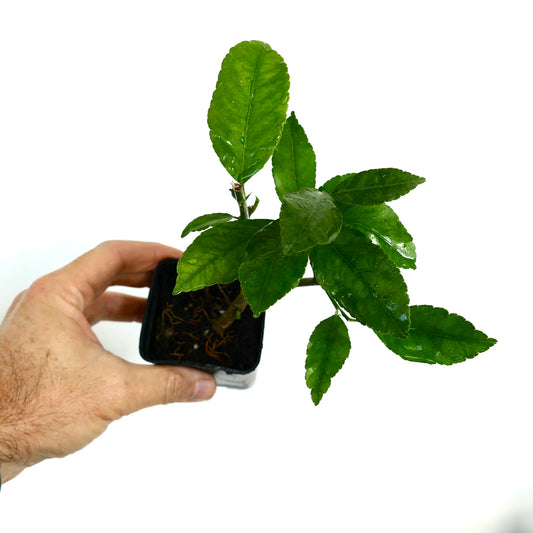
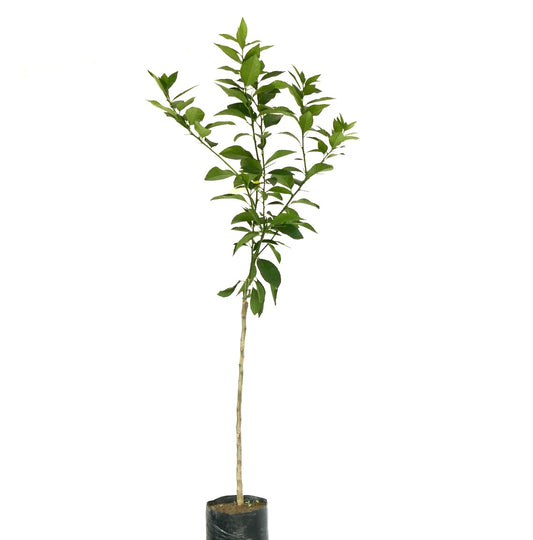
Citrus limon AMALFI COAST MAGGIORE
Regular price From €65,00 EURRegular price€80,00 EURSale price From €65,00 EURSale -
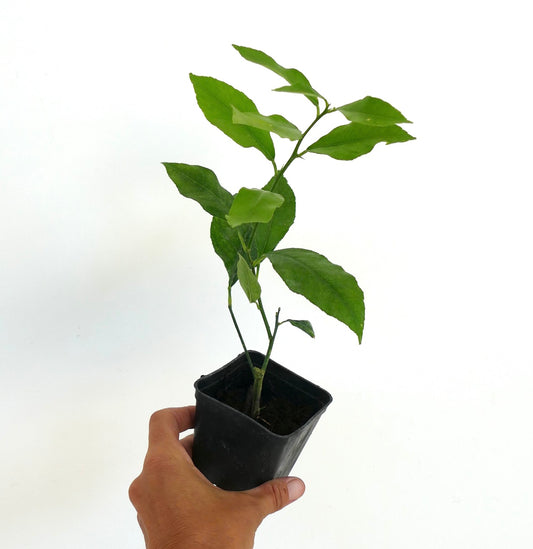
Citrus limon SORRENTO
Regular price From €29,00 EURRegular price -
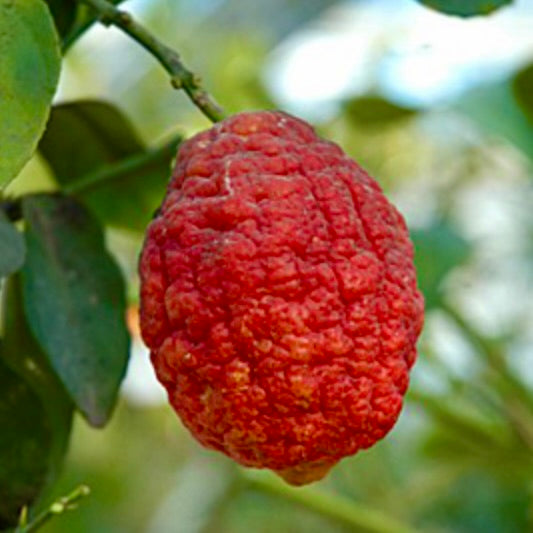
Citrus limon cv ETNA (extra red fruits)
Regular price From €65,00 EURRegular price€80,00 EURSale price From €65,00 EURSale -
Citrus X limon cv Femminello Siracusano
Regular price From €28,00 EURRegular price -
Citrus limon MEYER
Regular price From €29,00 EURRegular price -
 Sold out
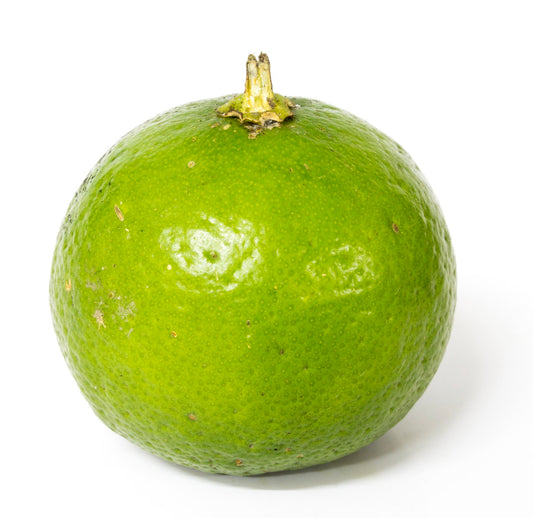
Citrus aurantiifolia var. limetta
Regular price From €18,00 EURRegular price -
Citrus X latifolia TAHITI LIME 70-130cm
Regular price €50,00 EURRegular price -
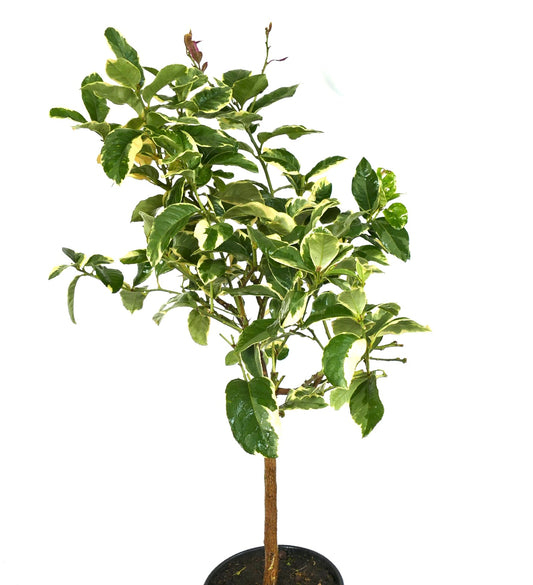
Citrus limon VARIEGATED
Regular price From €80,00 EURRegular price






Collection: Lemon Trees
Lemon Trees: Fragrant Beauty and Vibrant Fruit
Lemon trees stand out as enduring symbols of freshness and Mediterranean elegance. Their glossy green leaves and fragrant white blossoms complement the bright yellow fruit, which holds both culinary and nutritional value. The foliage forms a dense, evergreen canopy that not only adds visual structure to gardens and patios but also emits a distinct, citrusy aroma when brushed or pruned. The flowers, usually produced in multiple cycles throughout the growing season, serve as both aesthetic highlights and critical sites for pollination.
Common varieties such as the meyer lemon tree, eureka lemon tree, and dwarf lemon tree contribute to diverse garden landscapes and indoor environments. The meyer, with its thinner skin and slightly sweeter flavor, is particularly favored in cooler climates and container planting. The eureka is a classic choice for full-sized trees in Mediterranean settings, valued for its vigorous production and acidity. Dwarf forms, meanwhile, are ideal for balconies or indoor spaces, often grown in decorative pots or raised planters to enhance mobility and accessibility.
These trees provide an attractive combination of ornamental appeal and practical use, as their fruits are rich in vitamin C and widely used in cooking and beverages. From salad dressings and marinades to desserts and herbal infusions, the juice and zest are key ingredients across global cuisines. Beyond the kitchen, the fruit also plays a role in natural cleaning, traditional remedies, and skincare preparations. Their year-round green foliage, combined with seasonal bursts of bloom and fruit, makes them a valuable addition to both functional and decorative planting schemes.
Why Lemon Trees Are a Timeless Favorite
Lemon trees thrive in warm climates, especially around the Mediterranean, California, and subtropical regions worldwide. They prefer well-drained, slightly acidic soils and full sunlight to optimize fruit production. Morphologically, their evergreen leaves are leathery with oil glands that release a distinctive lemon scent. The fragrant flowers attract pollinators such as bees, which play a crucial role in fruit set. Ecologically, lemon trees serve as food sources for various insects and birds, while their dense foliage offers shelter and nesting sites.

How to Care for Your Lemon Tree
Successful cultivation of lemon trees requires attention to several factors. Consistent sun exposure ensures vigorous growth and fruiting, while soil must drain well to prevent root rot. Regular watering supports healthy development, but overwatering can be detrimental. Applying a balanced lemon tree fertilizer rich in nitrogen, phosphorus, and potassium encourages flowering and fruit yield. Pruning helps maintain shape, improves air circulation, and reduces disease risk. Protecting trees from frost and common pests like aphids and scale insects is essential for longevity. Indoor lemon trees, when provided with sufficient light and humidity, can even produce fruit throughout the year.
In regions with a Mediterranean or subtropical climate, planting in a sheltered, south-facing location provides optimal warmth and protection from wind. Soil texture should ideally be sandy-loam or loamy, with slightly acidic pH to support nutrient availability. During dry periods, a consistent watering routine—especially in the flowering and fruiting stages—ensures better yields and reduces fruit drop.
Fertilization is most effective when applied in early spring and midsummer, supporting both vegetative growth and fruit development. Micronutrients such as magnesium, iron, and zinc are particularly important for leaf health and should be supplemented if deficiency symptoms appear. Pruning after harvest allows for removal of damaged or crossing branches and helps control overall plant size, particularly for container-grown specimens.
Cold temperatures can damage new shoots or reduce fruit set, so young or potted specimens should be moved indoors or protected with horticultural fleece during frosts. Indoors, maintaining at least 6–8 hours of direct light, or supplementing with grow lights, is crucial. Regular misting or using a humidity tray helps replicate subtropical moisture levels and reduces leaf drop. Integrated pest management practices, such as neem oil or insecticidal soap, help control common invaders without disrupting beneficial insects.
Consider these care essentials for healthy lemon trees:
-
Plant in full sun with well-draining soil
-
Water regularly but avoid waterlogging
-
Fertilize seasonally with citrus-specific nutrients
-
Prune to improve airflow and shape
-
Protect from frost and monitor for pests
Perfect for Pots and Indoor Growing
Dwarf lemon trees adapt well to container cultivation, making them suitable for patios, balconies, and indoor spaces. These compact varieties require pots with adequate drainage and benefit from bright, indirect sunlight indoors. Their manageable size allows gardeners to enjoy fresh lemons without needing extensive outdoor space. Indoor lemon trees also contribute to air quality and provide aromatic blossoms that enhance the living environment. With proper care, including regular watering and occasional fertilization, container-grown lemon trees can flourish even in cooler climates.

Ecological and Botanical Significance
Lemon trees belong to the genus Citrus within the Rutaceae family, sharing close relations with oranges, limes, and grapefruits. Their evolution reflects adaptations to subtropical climates, including thick, waxy leaves to reduce water loss. The tree's role extends beyond human use; it supports biodiversity by offering nectar to pollinators and habitat for various organisms. Moreover, lemon trees contribute to soil stabilization and microclimate regulation in cultivated landscapes. Their presence in agroecosystems demonstrates the balance between horticultural utility and ecological function.
Other Collections in the Archive
-

Specimen Plants
Specimen Plants in our Store Specimen Plants captivate plant enthusiasts with their...
-
Catalogue Plants
Catalogue plants provide a wide variety of options to elevate your garden...
-

Gardening Tools & Soils
Gardening tools – essentials for healthy soils and thriving plants Building a...


