Fig Trees: Mediterranean Charm and Sweet Harvests
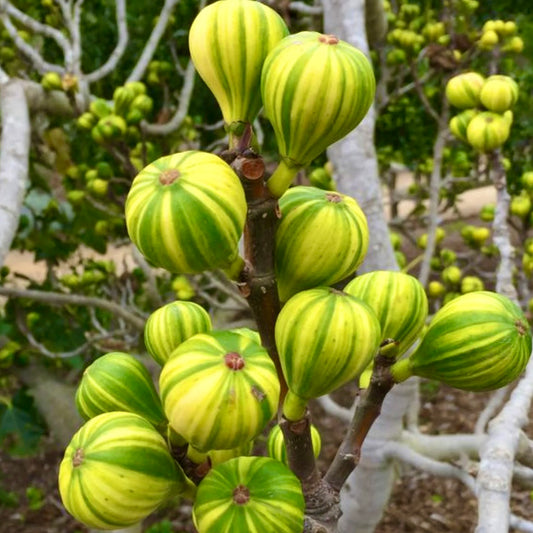
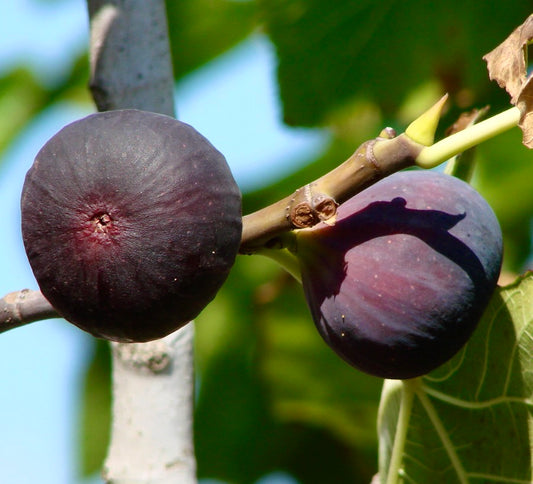
Fig trees (Ficus carica) hold a significant place in Mediterranean culture and horticulture, cherished for their ancient lineage, ornamental leaves, and sweet, nutritious fruits. Their cultivation dates back thousands of years, evident from archaeological finds in Greek and Roman sites, highlighting their role in historical diets and gardens. Today, fig trees thrive in diverse warm and temperate regions worldwide, adapting to various climates and soil types. Gardeners appreciate the wide range of fig varieties, including the green-skinned Kadota, the reddish Brown Turkey, and the dark-purple Mission figs, each offering distinct flavors, ripening times, and growth habits. Whether planted in expansive fig orchards or maintained as dwarf fig trees in patios and balconies, these trees combine aesthetic appeal with practical fruit production.
Botanical Overview and Heritage
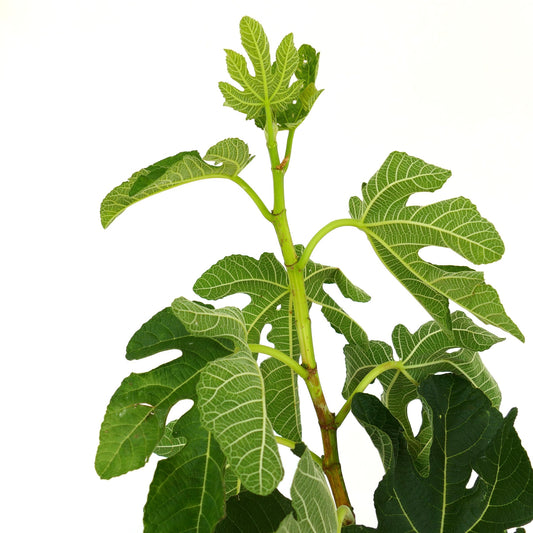
Fig trees belong to the Moraceae family and are deciduous, typically growing 10 to 30 feet tall. Their broad, lobed leaves provide ample shade and contribute to their ornamental value. The tree’s unique fruit, technically a syconium, encloses tiny flowers inside, allowing pollination by specialized fig wasps in some species. This mutualistic relationship exemplifies coevolution and ecological specialization. In cultivation, however, many edible varieties do not require pollination, producing parthenocarpic fruits. The fig’s historical spread from the Mediterranean basin to Asia, Africa, and the Americas reflects its adaptability and the cultural importance placed on its cultivation over millennia.
Soil, Light, and Climate Preferences
To grow fig trees effectively, provide full sun exposure, which ensures optimal photosynthesis and fruit development. They prefer well-draining soil, ideally sandy or loamy, to prevent root rot and encourage healthy growth. Also those tolerate drought conditions once established, reflecting their adaptation to Mediterranean climates characterized by hot, dry summers and mild, wet winters. Some cold hardy fig trees varieties withstand brief frosts down to about 15°F (-9°C), expanding their cultivation range. When grown as container, they require careful watering and placement near bright windows with good airflow to mimic outdoor conditions. Managing fig tree temperature fluctuations indoors or outdoors is crucial, as excessive moisture or cold can harm growth.
Care Practices: Watering, Feeding, and Pruning
Fig tree care centers on balanced watering—deep and infrequent—to maintain soil moisture without waterlogging. During the fruit-setting phase, increased hydration supports fruit size and quality. Fertilization with potassium-rich nutrients in early spring promotes vigorous fig tree flowering and enhances fruit yield. Pruning shapes the tree’s canopy, improving light penetration and air circulation, which reduces disease risk and encourages productive branches. Additionally, regular inspections for pests such as scale insects or nematodes help maintain tree health. These low-maintenance edible fig trees suit both novice and experienced gardeners by combining resilience with rewarding harvests.
Growth Cycle and Fruiting Behavior
Figs exhibit a unique reproductive cycle where flowers develop internally within the fruit, making the blossoms invisible externally. Many cultivars produce one main crop annually, while some yield a smaller secondary crop later in the season. Understanding the fig tree’s growth cycle assists in timing cultural practices such as pruning, fertilization, and watering for maximum productivity. Most edible figs do not require pollination, but certain types benefit from cross-pollination facilitated by fig wasps or planting multiple cultivars nearby. Adapted as a tropical fruit tree to relatively dry environments, figs balance drought tolerance with the capacity to produce flavorful, nutrient-rich fruits.
Versatility in Garden and Container Cultivation
Fig trees demonstrate remarkable versatility, thriving as prominent garden specimens or compact indoor fig tree varieties suited for pots and limited spaces. Selecting a dwarf fig tree allows cultivation in urban settings, balconies, or greenhouses, while larger cultivars suit traditional orchards and backyard plantings. Their adaptability extends to soil types and climates, enabling successful growth across continents.
- They provide ecological benefits by supporting pollinators and local wildlife.
- Fig trees contribute to soil stabilization in erosion-prone areas.
- Their fruits serve as food sources for birds and mammals, enhancing biodiversity.
- Many varieties exhibit resistance to common pests and diseases.
- Fig cultivation supports sustainable agricultural practices in dry regions.
Overall, fig trees offer a blend of ornamental beauty, ecological value, and edible rewards, making them a valuable addition to various landscapes.

 Sold out