
Encephalartos
-

 Sold out
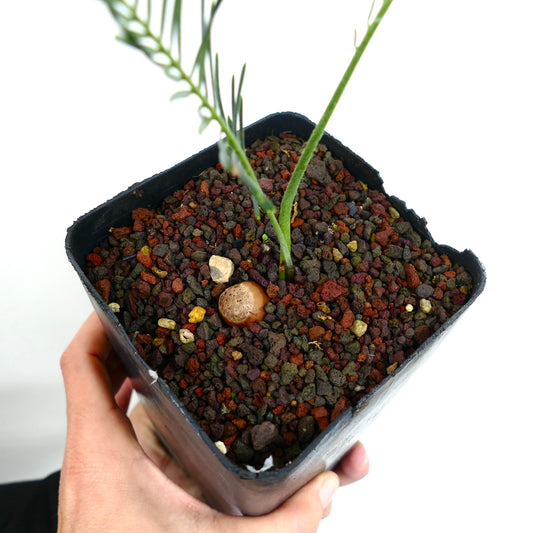
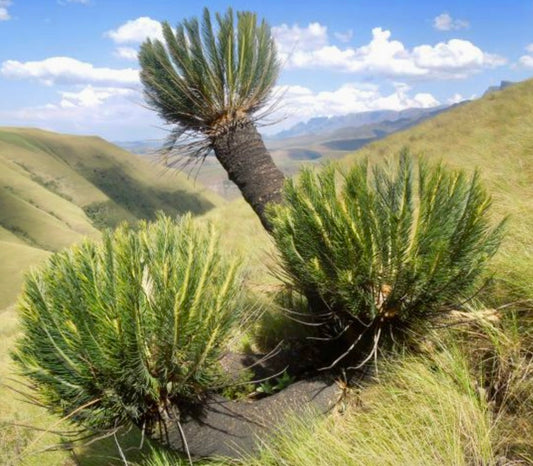
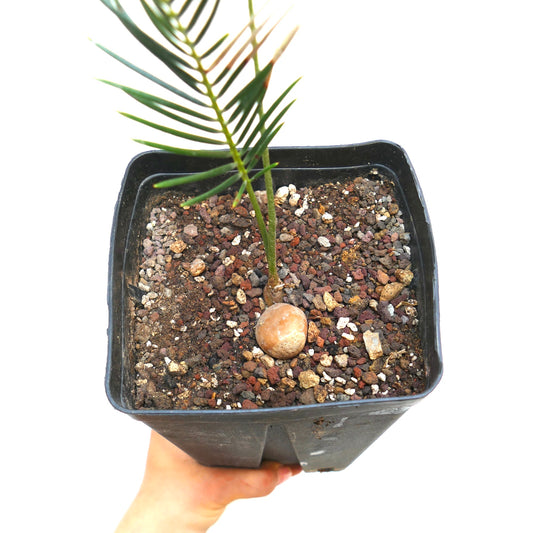
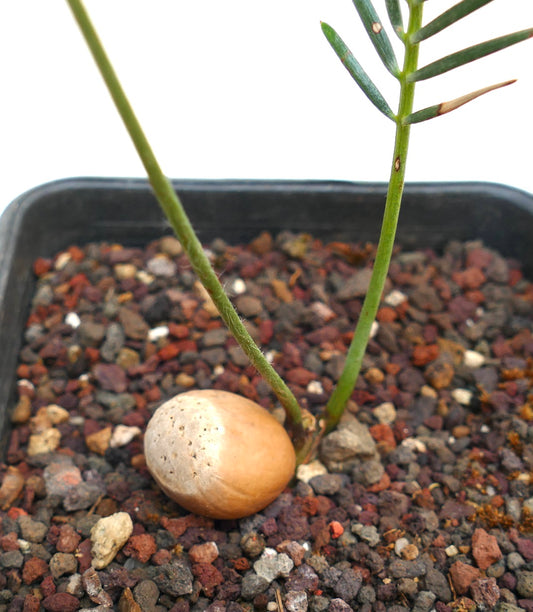
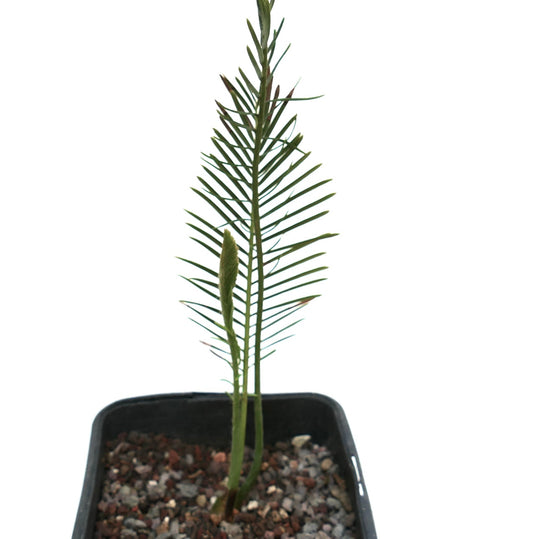
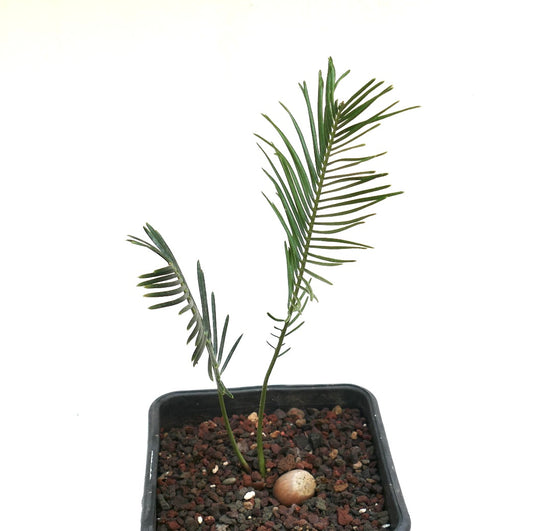
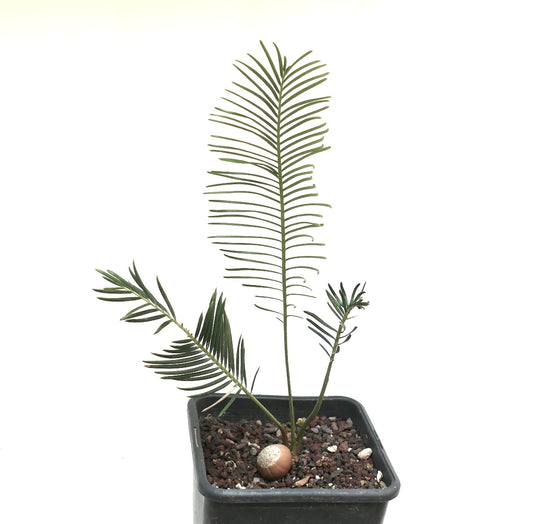
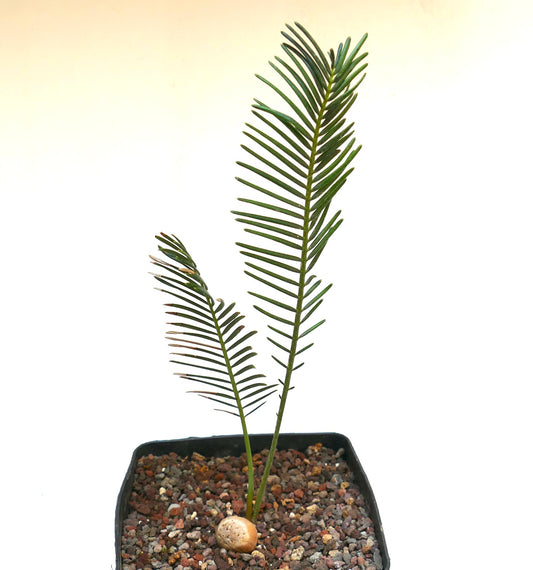
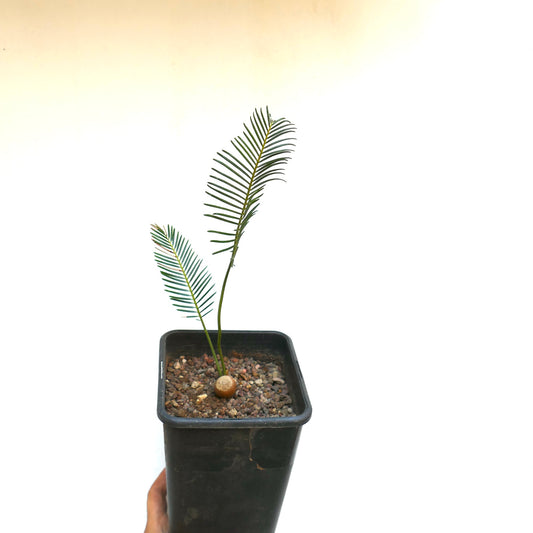
Encephalartos ghellinckii
Regular price €100,00 EURRegular price -
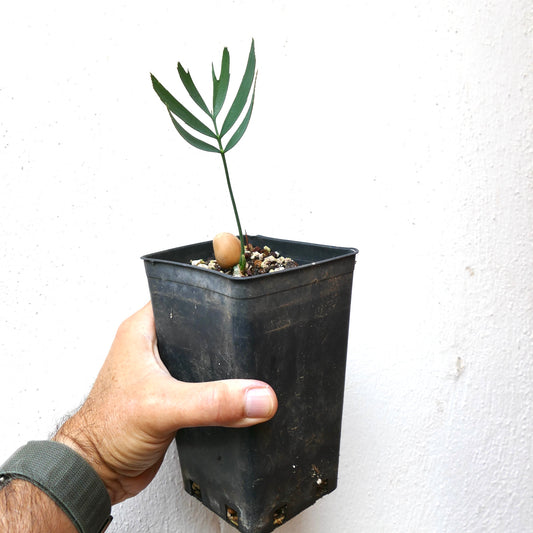
Encephalartos ghellinckii (2 leaves seedling)
Regular price €120,00 EURRegular price -
Encephalartos ghellinckii (Berg Mountain) 4N
Regular price €120,00 EURRegular price -
Encephalartos ghellinckii (DRAKENSBERG) CYCAD
Regular price €125,00 EURRegular price -
Encephalartos ghellinckii (DRAKENSBERG) K3R
Regular price €125,00 EURRegular price€170,00 EURSale price €125,00 EURSold out -
Encephalartos ghellinckii 2018
Regular price €125,00 EURRegular price€170,00 EURSale price €125,00 EURSale -
Encephalartos ghellinckii 2050 (Berg Mountain)
Regular price €130,00 EURRegular price -
Encephalartos ghellinckii BERG MOUNTAIN 123X
Regular price €130,00 EURRegular price -

 Sold out
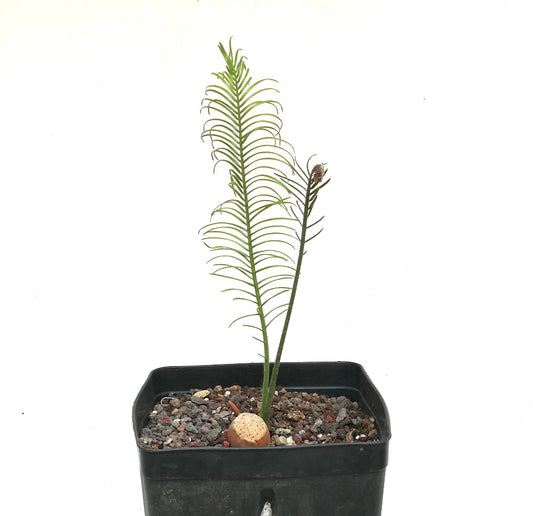
Encephalartos ghellinckii RARE CYCAD
Regular price €120,00 EURRegular price€160,00 EURSale price €120,00 EURSold out -
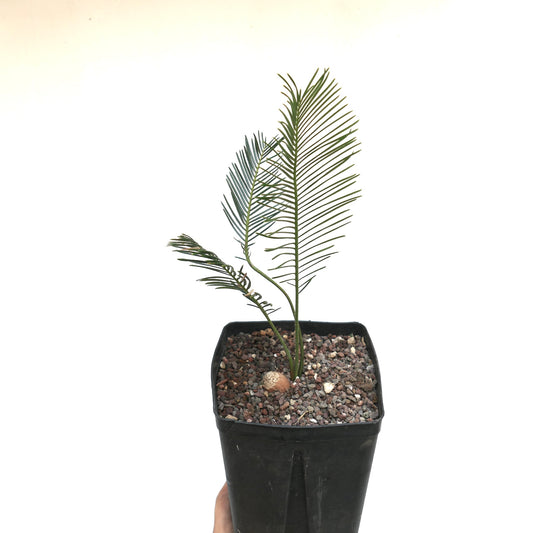
Encephalartos ghellinckii RARE SELECTED
Regular price €130,00 EURRegular price -

 Sold out
Encephalartos ghellinckii S43
Regular price €140,00 EURRegular price -
Encephalartos ghellinckii SELECTED 7C1
Regular price €130,00 EURRegular price -
Encephalartos ghellinckii SELECTED CYCAD
Regular price €125,00 EURRegular price€155,00 EURSale price €125,00 EURSale -
Encephalartos ghellinckii SELECTED DS6
Regular price €125,00 EURRegular price -
Encephalartos ghellinckii SELECTED L63
Regular price €115,00 EURRegular price€150,00 EURSale price €115,00 EURSale -
Encephalartos ghellinckii TWO LEAVES
Regular price €120,00 EURRegular price€150,00 EURSale price €120,00 EURSale -

 Sold out
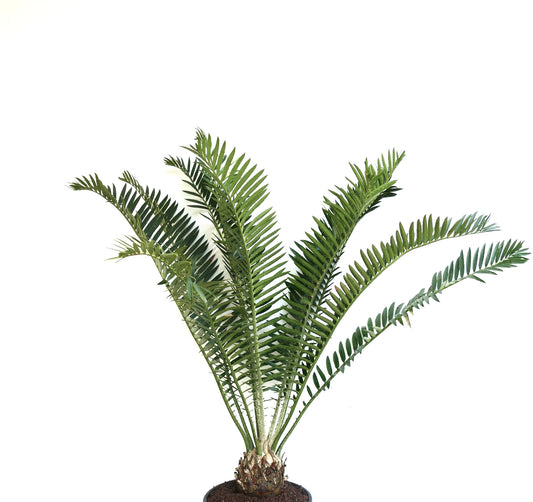
Encephalartos gratus 12x13cm CAUDEX
Regular price €420,00 EURRegular price -
Encephalartos heenanii YOUNG SEEDLING
Regular price €400,00 EURRegular price -
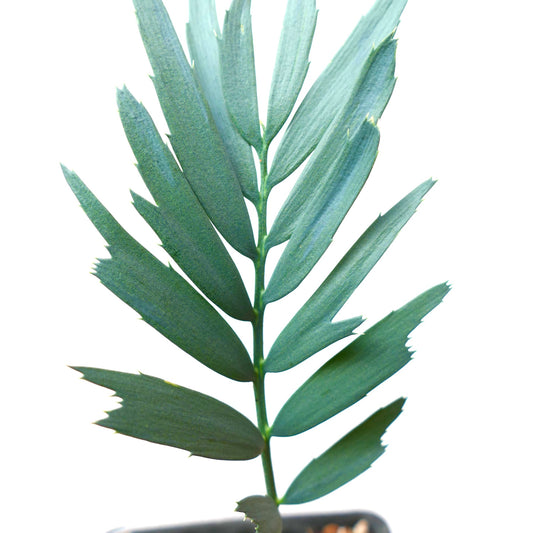
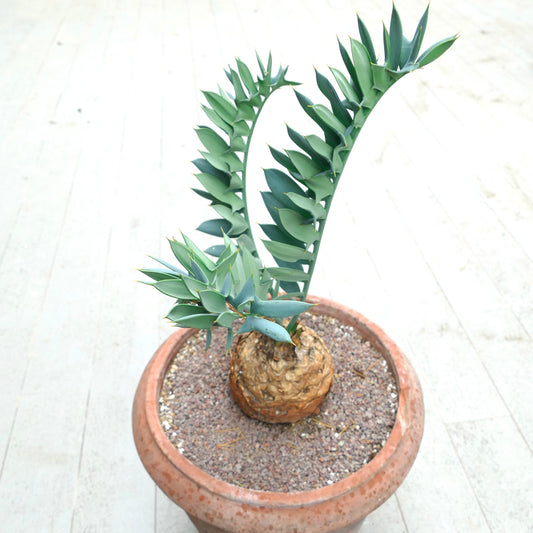
Encephalartos horridus
Regular price €1.850,00 EURRegular price -

 Sold out
Encephalartos horridus
Regular price €220,00 EURRegular price -
Encephalartos horridus 13cm x 13cm CAUDEX
Regular price €2.500,00 EURRegular price -
Encephalartos horridus 14cm x 12,5cm CAUDEX male
Regular price €2.500,00 EURRegular price -
Encephalartos horridus 18,5cm x 16cm CAUDEX female
Regular price €4.500,00 EURRegular price -
Encephalartos horridus X arenarius 5,5cm CAUDEX
Regular price €700,00 EURRegular price











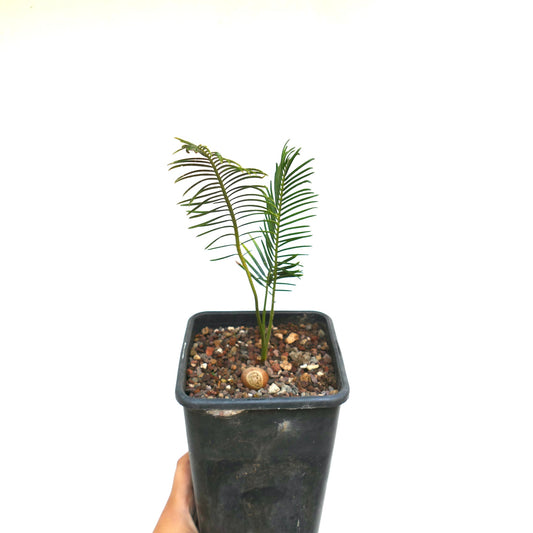

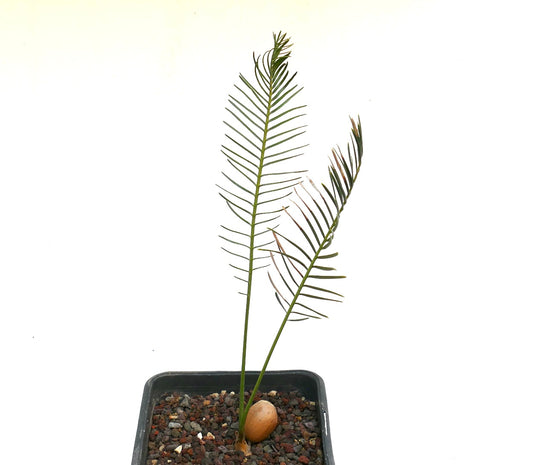

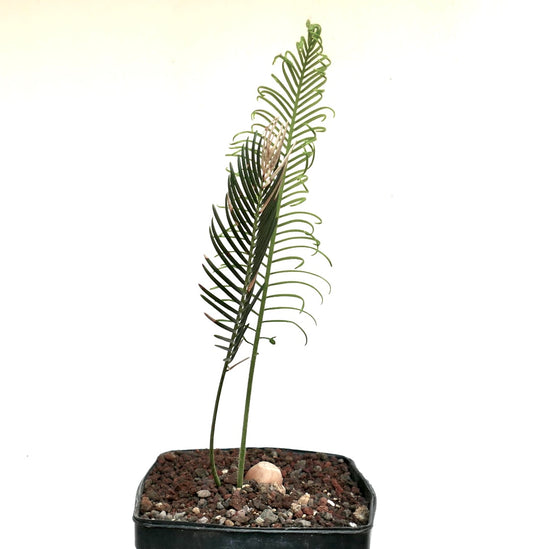

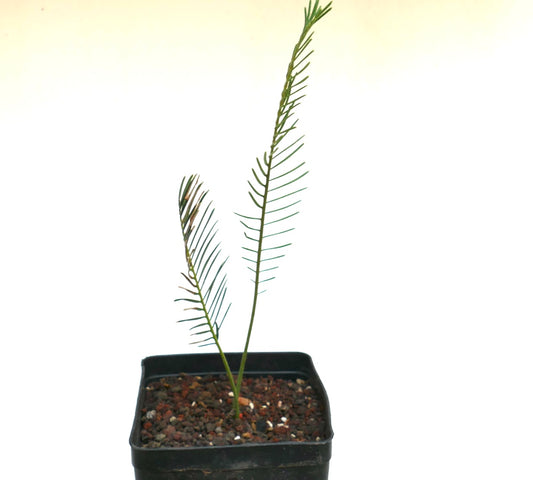







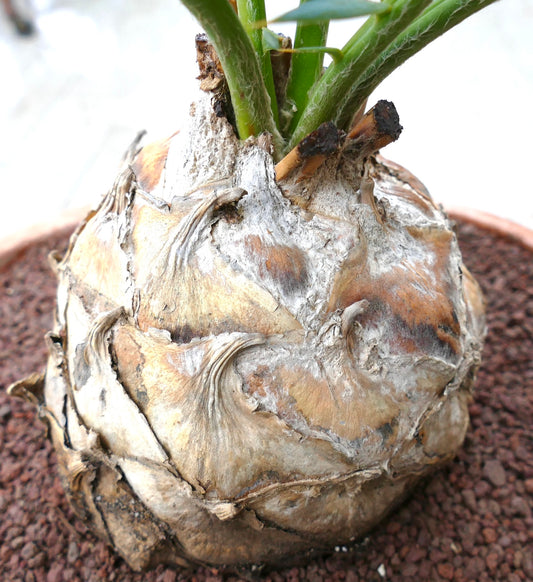

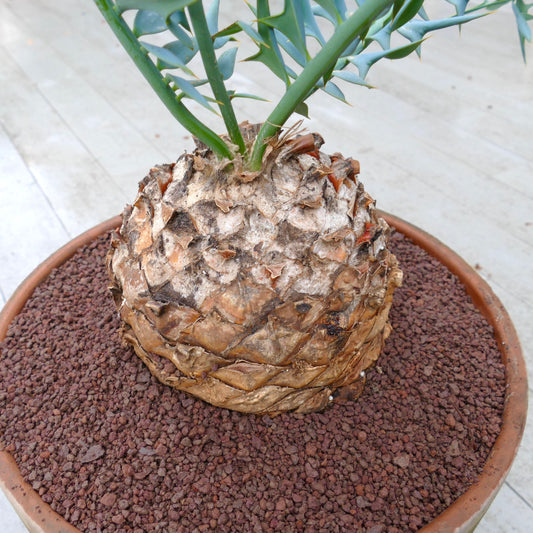

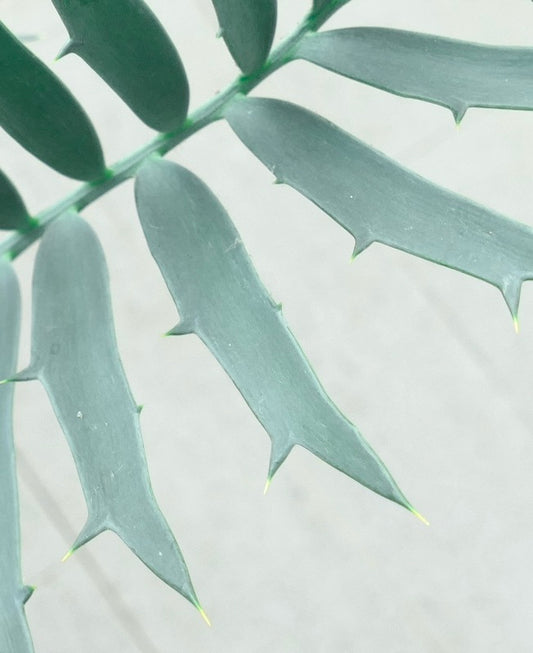
Collection: Encephalartos
Encephalartos: A Living Fossil
The Encephalartos genus, known for its ancient lineage, offers stunning cycads that are both rare and highly sought after by collectors. These plants bring a prehistoric charm to any landscape or indoor setting.
Long before flowering plants evolved, these cycads dominated ancient forests with their robust trunks and fern-like fronds. Their status as “living fossils” is more than symbolic—they have changed little in form over millions of years. Today, their survival continues in cultivated environments where enthusiasts aim to preserve their genetic legacy. Their dramatic form, slow growth, and minimal requirements make them appealing to gardeners interested in botanical history and ecological balance.

Encephalartos Woodii: A Rare Gem
The Encephalartos woodii, often called the "loneliest plant," is one of the rarest cycads in the world. With its robust structure and glossy green leaves, it makes a striking statement in any botanical collection. This species thrives in well-drained soil and requires consistent care to maintain its health.
Found only as a male plant in nature, this species has no known female counterpart, meaning it cannot reproduce through seeds. As such, every existing individual is a clone, propagated through vegetative division. It stands as a botanical relic, preserved in a few botanical gardens and private conservatories. The texture of its foliage and cylindrical trunk, combined with its symmetrical crown, lend it architectural value in both modern and naturalistic garden designs.
Care Tips for Encephalartos
Caring for Encephalartos cycads involves replicating their natural habitat: plenty of sunlight, minimal watering, and nutrient-rich, sandy soil. Varieties like Encephalartos ferox and Encephalartos horridus are excellent options for both beginners and experienced cycad enthusiasts.
They require periods of drought between watering, as their thick caudex stores moisture efficiently. Good airflow helps prevent fungal infections, and they prefer a location sheltered from frost. Their thick, leathery leaves are adapted to resist herbivory, and regular inspection will help manage any mealybugs or scale insects. If grown in containers, they benefit from slow-release fertilizers designed for cycads or palms. Their pace of growth is slow but steady, often producing one new flush of leaves each year under ideal conditions.

Explore Encephalartos Varieties
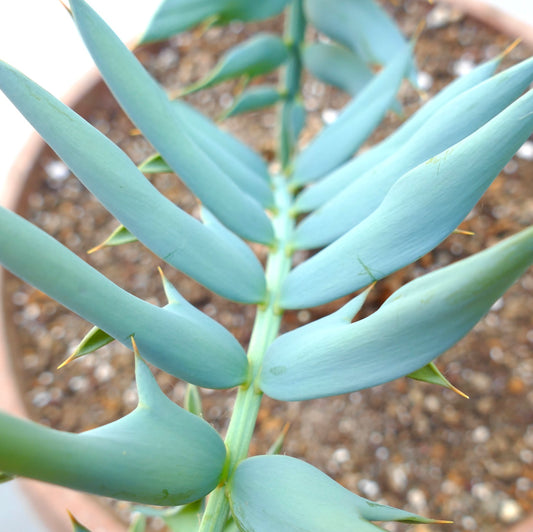
From the vibrant red seeds of the Encephalartos ferox to the blue-green leaves of the Encephalartos horridus, this genus offers diversity and beauty. Their hardy nature and unique appearance make them a favorite for creating tropical or desert-inspired gardens.
Some species develop spiny, jagged leaf margins, offering a defensive visual quality that’s both striking and sculptural. Others have smoother, broader fronds that curve gracefully from a stout base. This wide variation allows landscape designers to integrate them into dry gardens, rockeries, or subtropical greenhouse spaces. Their longevity also makes them valuable for generational gardening projects, where the plant becomes part of a long-term garden narrative.

Recommended Species for Gardeners and Collectors:
-
Encephalartos ferox – Excellent for coastal gardens with its tolerance for salt spray
-
Encephalartos horridus – Valued for its distinctive blue-gray foliage and compact growth
-
Encephalartos altensteinii – A larger species suitable for spacious gardens or public landscapes
-
Encephalartos lehmannii – Features striking silver-blue leaves and tolerates dry climates
-
Encephalartos villosus – A shade-tolerant variety, ideal for understory planting or filtered light
-
Encephalartos natalensis – Tall and statuesque, often used as a focal point in garden design
-
Encephalartos transvenosus – Known for its elegant form and adaptability in warm climates
Other Collections in the Archive
-

Specimen Plants
Specimen Plants in our Store Specimen Plants captivate plant enthusiasts with their...
-
Catalogue Plants
Catalogue plants provide a wide variety of options to elevate your garden...
-

Gardening Tools & Soils
Gardening tools – essentials for healthy soils and thriving plants Building a...


