
Secure Payments
Your security comes first. All our payment methods follow PCI standards and support 3D Secure authentication for safe checkout.
Couldn't load pickup availability
Plant Description
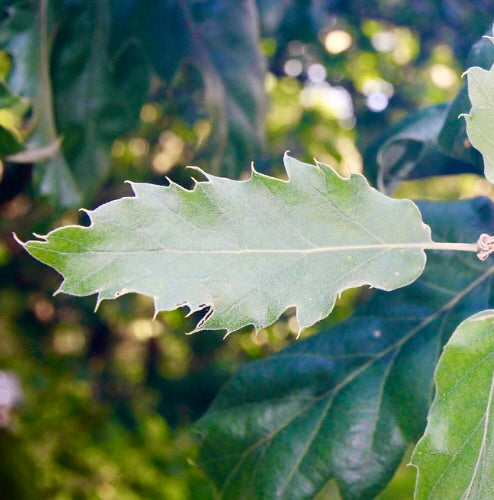
Quercus ithaburensis subs. macrolepis, also known as the Mount Tabor oak, is a striking oak species native to the Eastern Mediterranean region. This majestic tree displays robust, lobed leaves with a glossy green surface that turns beautiful shades in autumn. Gardeners admire the Quercus ithaburensis macrolepis for its stately appearance and ecological importance, as it supports diverse wildlife.
The Quercus ithaburensis subspecies macrolepis is commonly called the Tabor oak or Valonia oak. It produces unique acorns used historically in tanning processes, giving it economic significance beyond its ornamental value. This oak's bark is rugged and deeply fissured, adding to its textured look in landscapes and natural settings.
The Macrolepis oak enriches gardens and woodlands with its strong presence and historical ties. Also called the Eastern Mediterranean oak, it blends well in naturalistic designs and conservation projects. Collectors and enthusiasts value Quercus ithaburensis subs. macrolepis for its ornamental beauty and its role in sustaining native ecosystems throughout its range.
IMPORTANT: The pictures show the mother plant, which is not for sale. The offer includes a plant with the dimensions stated in the description.
Botanical family: Fagaceae
Botanical genus: Quercus
Botanical species: Quercus ithaburensis
SKU:BA-1134-S-1
Soil type: Prefers well-drained soils, including sandy, loamy, or clay soils; adapts to alkaline or slightly acidic conditions.
Watering frequency: Water regularly during establishment; drought-tolerant once mature.
Light exposure: Thrives in full sun for optimal growth.
Temperature requirements: Hardy in Mediterranean and temperate climates, tolerating temperatures from -10°C to 35°C (14°F to 95°F).
Fertilization: Rarely needed; add organic compost annually to enrich poor soils.
Pruning: Prune in winter to remove deadwood or shape the canopy; minimal pruning is required.
Common pests: Occasionally affected by oak leaf miners, aphids, or powdery mildew; monitor and treat as needed.
Other tips: Its acorns and cups are highly decorative, making them useful in craft and design projects.
Plant Height:
Plant Diameter:
Pot Size:
Grafted/Not Grafted: Not Grafted
Disclaimer: Be aware that most plants change across seasons. If present foliage, could have been fallen or change in its color.
Your security comes first. All our payment methods follow PCI standards and support 3D Secure authentication for safe checkout.
Our customer support is available Monday to Saturday from 9:00 AM to 6:00 PM (European time).
Our products travel in professional, eco-friendly packaging made from recycled materials, ensuring safe delivery.
We ship worldwide with full tracking. A Phytosanitary Certificate is provided for all exports outside the EU.