
Secure Payments
Your security comes first. All our payment methods follow PCI standards and support 3D Secure authentication for safe checkout.


Couldn't load pickup availability
Product Description
The Pinus pseudostrobus is a majestic pine species native to Mexico, widely admired for its graceful form and distinctive features. People call it the Mexican weeping pine due to its elegant, drooping branches. This tree displays long, slender needles that create a soft, feathery canopy, making it a striking addition to any landscape or forest setting.
The Pinus pseudostrobus tree grows tall and straight, often reaching impressive heights in its native habitat. Gardeners and nature enthusiasts appreciate its resilience and the soothing green color it offers throughout the year. This Central American pine stands out for its unique bark texture and the way its long needles sway gently in the breeze, creating a calming visual effect.
The pseudostrobus pine is more than just a tree; it’s a symbol of the rich biodiversity of the pine from Mexico. Its distinctive long needles and graceful structure make it a favorite among pine enthusiasts and landscapers. For anyone interested in native species with unique ornamental qualities, the Pinus pseudostrobus offers beauty and a connection to Central America's natural heritage.
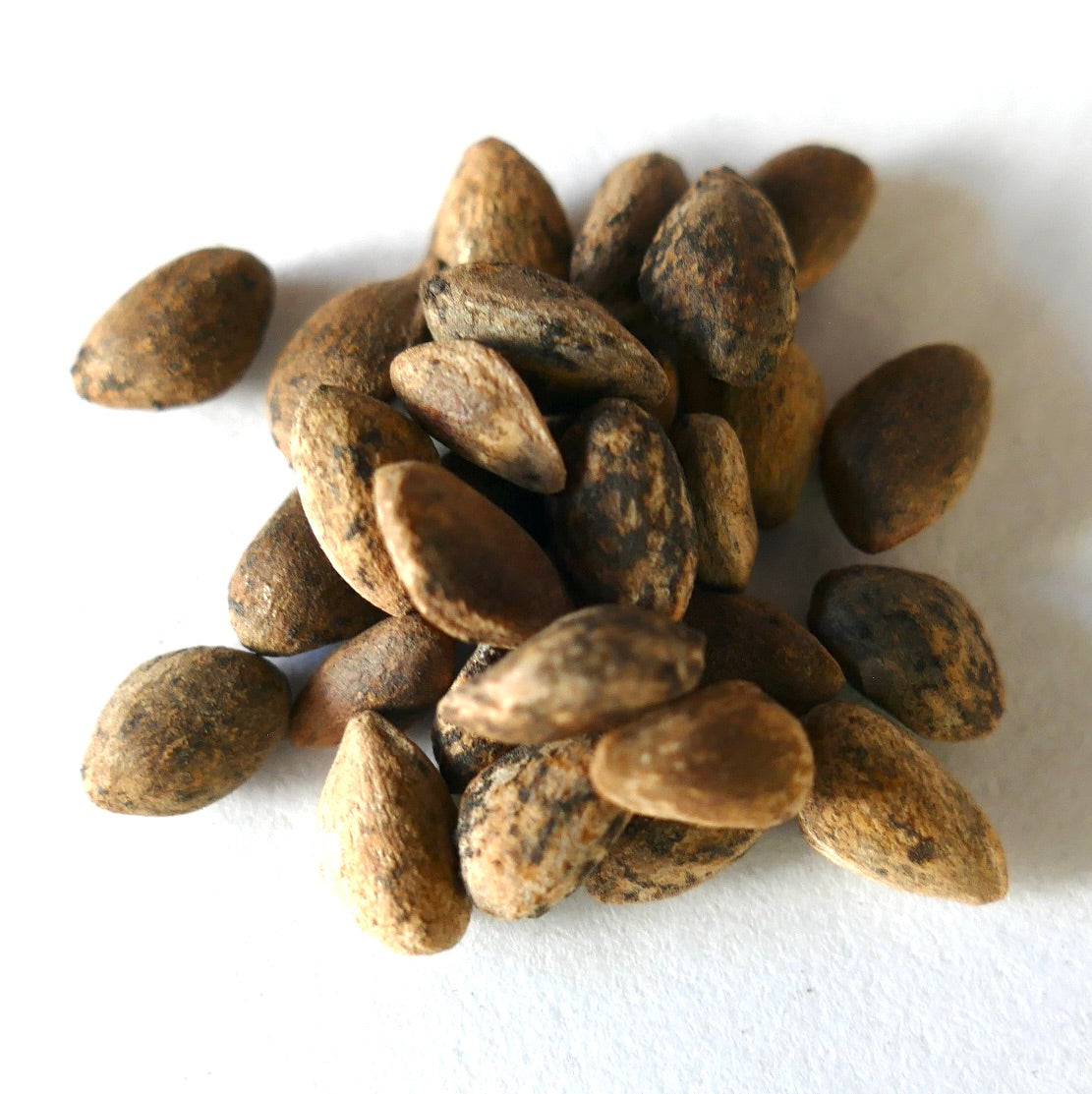
IMPORTANT: Pictures show the adult plant, which is not for sale. The offer is only for seeds.
Botanical family: Pinaceae
Botanical genus: Pinus
Botanical species: Pinus pseudostrobus
SKU:BA-8277-S
Soil type: Prefers deep, well-drained volcanic or loamy soils; slightly acidic to neutral pH is ideal.
Watering frequency: Moderate; establish with regular watering, then reduce frequency—tolerates seasonal drought.
Light exposure: Full sun is essential; avoid shaded areas, especially in early development.
Temperature requirements: Grows well in 5–28°C (41–82°F); withstands mild frosts but not prolonged freezes.
Fertilization: Use a balanced slow-release fertilizer in early spring for young trees; mature trees need minimal feeding.
Pruning: Prune lightly in late winter to remove damaged or crossing branches; retain central leader for symmetry.
Common pests: Relatively resistant; possible threats include bark beetles and root rot if overwatered.
Other practices: Space adequately for air circulation and crown development. Suitable for highland climates and erosion-prone areas.

Your security comes first. All our payment methods follow PCI standards and support 3D Secure authentication for safe checkout.
Our customer support is available Monday to Saturday from 9:00 AM to 6:00 PM (European time).
Our products travel in professional, eco-friendly packaging made from recycled materials, ensuring safe delivery.
We ship worldwide with full tracking. A Phytosanitary Certificate is provided for all exports outside the EU.