Collection: Sclerocactus Seeds
Sclerocactus Seeds – The armored spheres of the Colorado Plateau
Botanical identity and origin
Emerging from Colorado Plateau desert habitat, Sclerocactus forms compact, heavily armored globes built from dense interlocking spine nets that protect tissues from heat, herbivory, and moisture loss. Species such as sclerocactus glaucus inhabit gravelly fans and eroded slopes, where fluctuating temperatures and minimal rainfall shape growth. The genus produces tubular spring blooms contrasting sharply with its defensive exterior. In these austere landscapes, Sclerocactus embodies botanical resilience encoded in precise, geometric armature.
Species diversity and ornamental resonance
The diversity of Sclerocactus unfolds through variations in rib count, spine color, and floral tone. Sclerocactus papyracanthus displays thin, papery spines, while sclerocactus parviflorus introduces tighter clustering. Larger forms such as sclerocactus whipplei and sclerocactus spinosior broaden the genus’s sculptural vocabulary. Rare taxa like sclerocactus wrightiae and sclerocactus mesae-verdae hold conservation significance, while sclerocactus pubispinus and sclerocactus brevihamatus enrich textural diversity. Together, these species highlight the genus’s combination of austerity and floral precision.
Cultivation and landscape adaptability
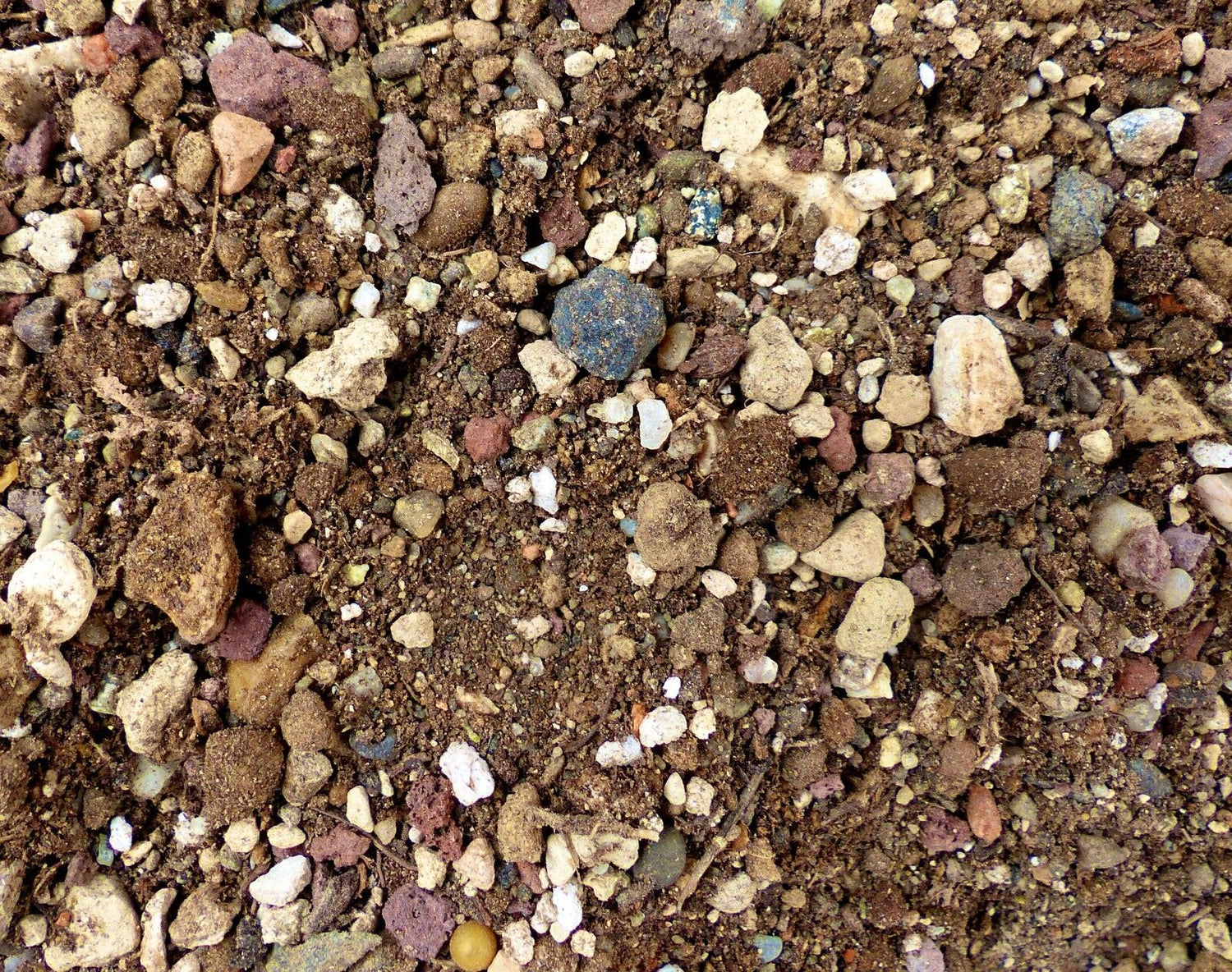
In cultivation, Sclerocactus demands sharply drained mineral soils, intense light, and irrigation rhythms tuned to winter dormancy and spring activation. Species such as sclerocactus wetlandicus and sclerocactus wrightiae adapt best with minimal disturbance and stable thermal gradients. Protective spination and slow growth reward patient observation, especially as spring inflorescences rise through the armored ribs.
-
Spines casting reticulated desert shadows
-
Globose bodies anchoring rocky surfaces
-
Seasonal pulses of brief blooming
-
Ribs tightening with drought-induced contraction
Symbolic synthesis and aesthetic meaning
Ultimately, Sclerocactus exemplifies a poetics of compression and endurance. Through forms such as sclerocactus glaucus and sclerocactus parviflorus, the genus reveals how scarcity, light, and geology shape living architecture. Its compact spheres and intricate armoring position Sclerocactus as a botanical emblem of desert tenacity and sculptural clarity.