
Rare Conifers
-
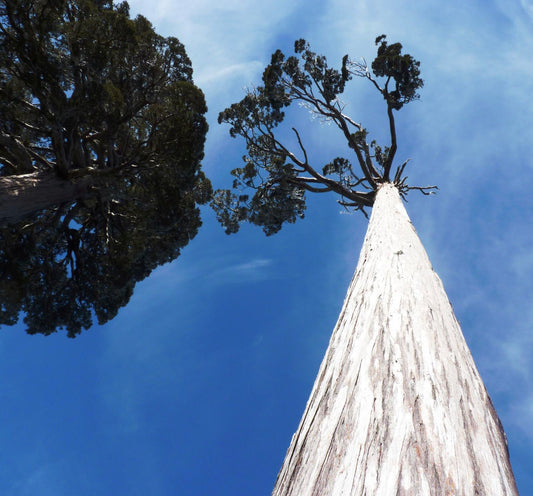
Araucaria bidwillii
Regular price From €48,00 EURRegular price -

 Sold out
Fitzroya cupressoides
Regular price From €75,00 EURRegular price -
Araucaria heterophylla
Regular price From €70,00 EURRegular price -
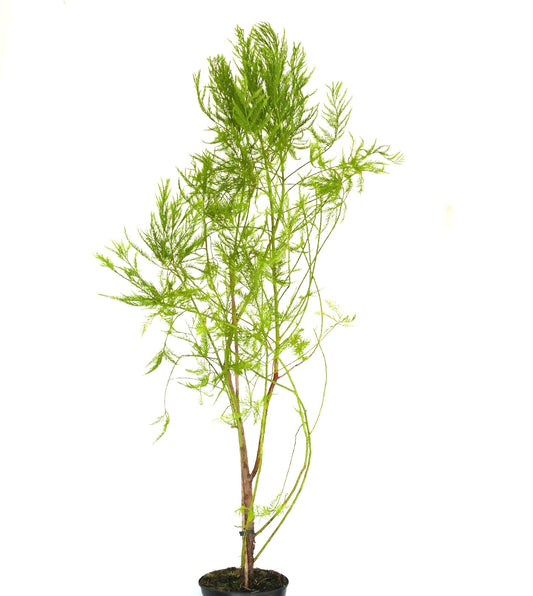
Metasequoia glyptostroboides
Regular price From €21,00 EURRegular price -
Araucaria araucana
Regular price From €110,00 EURRegular price -
Sequoiadendron giganteum
Regular price From €75,00 EURRegular price -
Diselma archeri
Regular price From €120,00 EURRegular price -
 Sold out
Pseudotsuga menziesii
Regular price From €16,50 EURRegular price -
Abies koreana OBERON
Regular price From €80,00 EURRegular price -
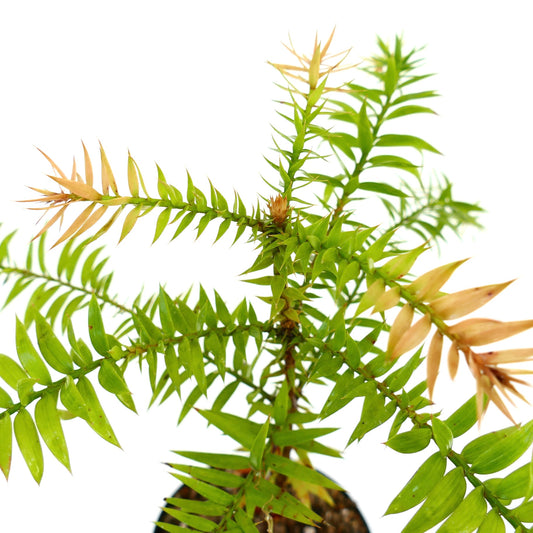
Metasequoia glyptostroboides cv 'Snow Flurries'
Regular price From €295,00 EURRegular price -

 Sold out
Araucaria bidwilii
Regular price €90,00 EURRegular price -
Thujopsis dolabrata
Regular price From €85,00 EURRegular price -
Saxegothaea conspicua
Regular price From €285,00 EURRegular price -
Sequoiadendron sempervirens
Regular price From €35,00 EURRegular price -
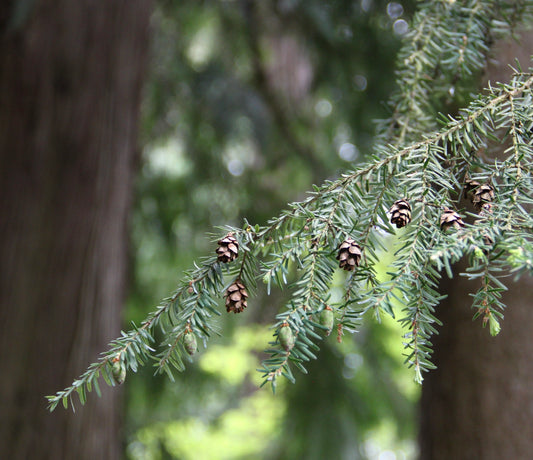
Tsuga canadensis
Regular price From €62,00 EURRegular price -
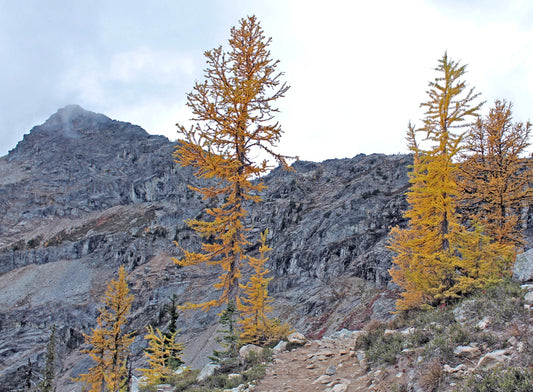
Tsuga heterophylla
Regular price From €120,00 EURRegular price -

 Sold out
Pseudolarix amabilis
Regular price From €70,00 EURRegular price -
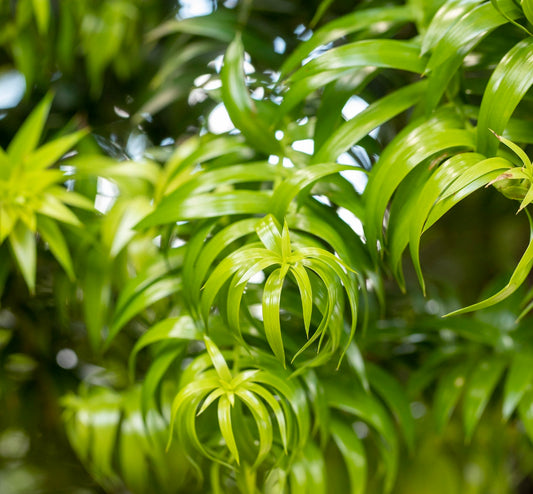
Glyptostrobus pensilis
Regular price From €120,00 EURRegular price



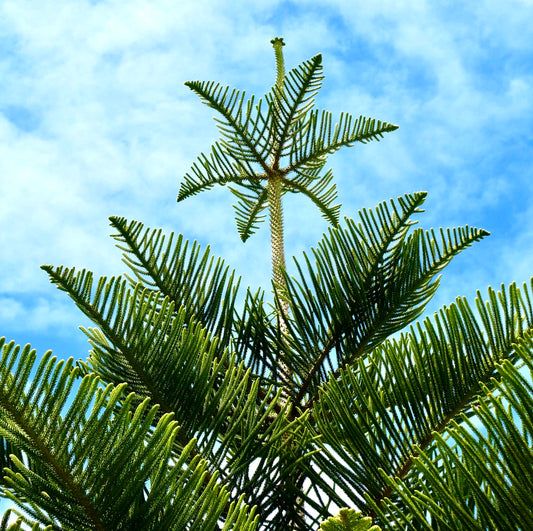

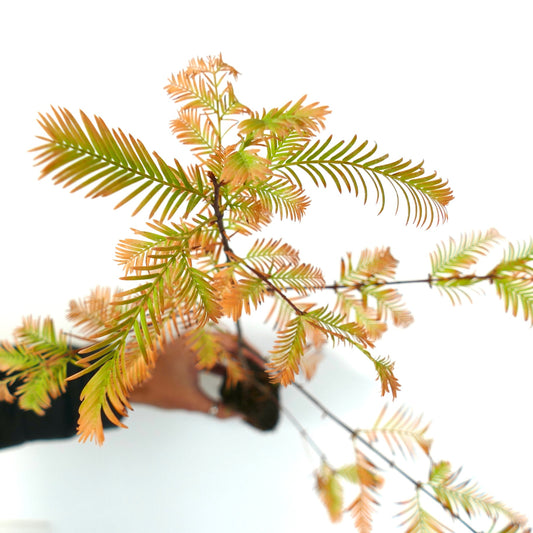

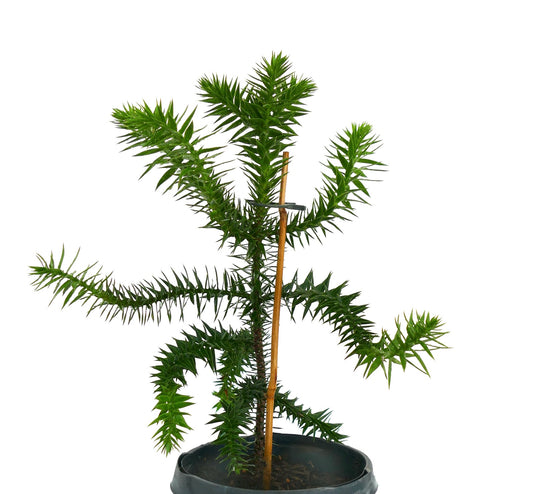

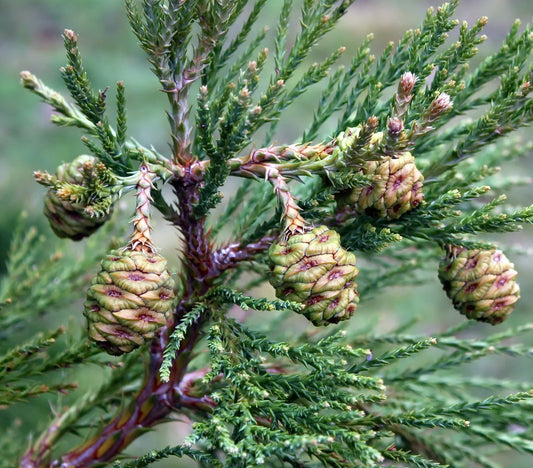

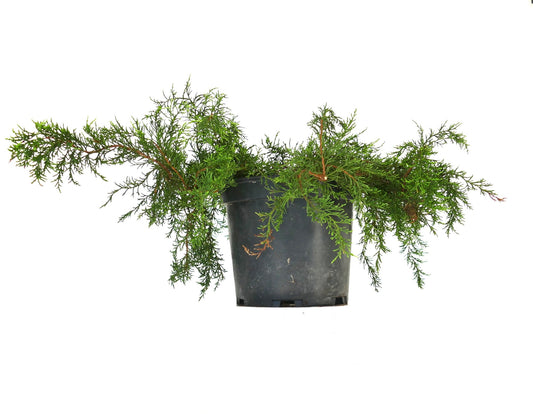


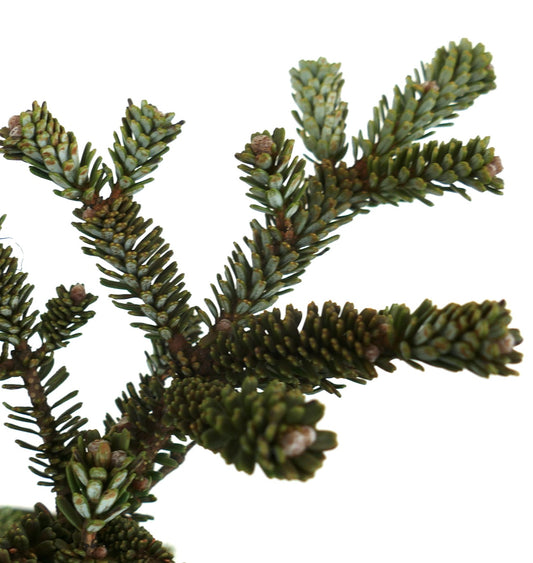


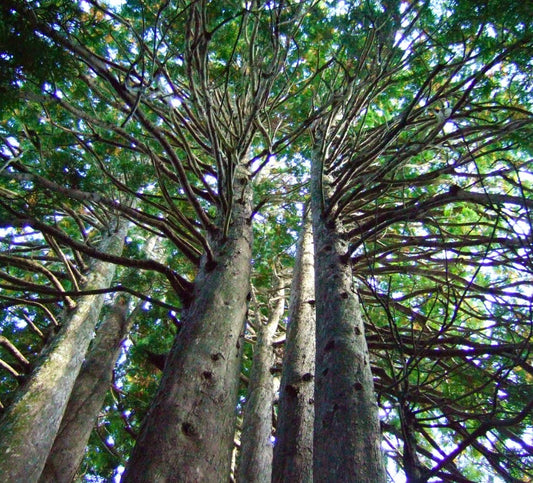

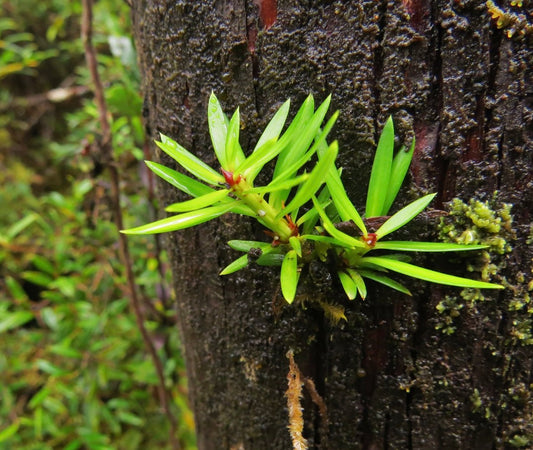




Collection: Rare Conifers
Rare Conifers: Botanical Jewels for Collectors and Landscape Enthusiasts
Uncommon Beauty in the World of Evergreens
Rare conifers include species and cultivars that stand out for their unusual form, distinct foliage, or limited availability.
These evergreens often originate from high-altitude forests, isolated valleys, or limited-range habitats, making them treasured specimens in curated collections. Unique traits may include silver-blue needles, contorted or weeping growth habits, or miniature size—each contributing to a distinctive horticultural identity. While some are ancient lineages preserved through cultivation, others are naturally occurring mutations preserved and propagated through careful grafting.

Ideal for Collectors and Botanical Displays
Whether you're creating a conifer garden, enhancing a rock garden, or curating a bonsai collection, rare conifers offer exclusivity and botanical value.
Their strong architectural presence allows them to act as focal points in design, while their subtle seasonal shifts—from resin-coated buds in spring to bronzed winter tones—add depth over time. Species such as Pinus parviflora ‘Glauca’, Abies koreana ‘Silberlocke’, or dwarf cultivars of Tsuga canadensis are prized for their slow growth and defined structure. In botanical gardens, these selections serve as educational highlights, demonstrating the breadth of conifer diversity across the globe.
Hardy and Adaptable Specimens
Many rare conifers are surprisingly resilient, thriving in cold climates, dry soil, or even urban environments.
Despite their exclusivity, these plants often exhibit high tolerance to wind, drought, and temperature fluctuations. Alpine species, such as certain Picea engelmannii cultivars, evolved to withstand severe frost and intense sun, while others adapt well to container culture when root-pruned correctly. Even in smaller urban gardens, conifers like Thuja occidentalis ‘Danica’ or Chamaecyparis obtusa ‘Nana Gracilis’ offer manageable size with long-term visual appeal.

A Living Sculpture for Every Season
From golden foliage in winter to compact, spiraled forms, rare conifers transform any outdoor space into a botanical showcase.
These trees change subtly throughout the seasons—cones forming in intricate patterns, bark exfoliating into textured mosaics, and foliage shifting in tone depending on light and temperature. Used individually or in carefully planned compositions, they bring structure and rhythm to planting designs. Some cultivars remain under 1 meter in height for decades, allowing even small spaces to host these natural sculptures.
Other Collections in the Archive
-

Specimen Plants
Specimen Plants in our Store Specimen Plants captivate plant enthusiasts with their...
-
Catalogue Plants
Catalogue plants provide a wide variety of options to elevate your garden...
-

Gardening Tools & Soils
Gardening tools – essentials for healthy soils and thriving plants Building a...


