Pear Trees: Elegant Fruit Trees for Flavor and Landscape Beauty
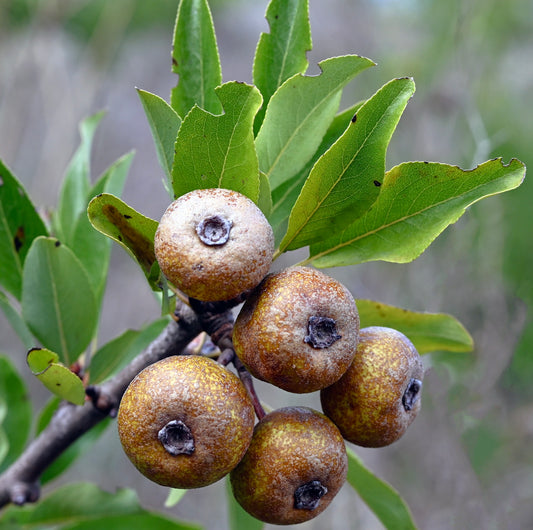
Pear trees (Pyrus communis) are deciduous trees widely admired for their graceful spring blossoms and the sweet, juicy fruits they produce. They flourish primarily in temperate climates, where seasonal changes support their growth cycle. These trees include numerous pear varieties, ranging from the classic European cultivars to specialized cold hardy pear types that withstand harsher winters. Cultivated both in extensive pear orchards and as dwarf pear trees suitable for terraces or small gardens, their adaptability and ornamental charm make them highly valued in horticulture.
Botanical Profile and Growing Conditions
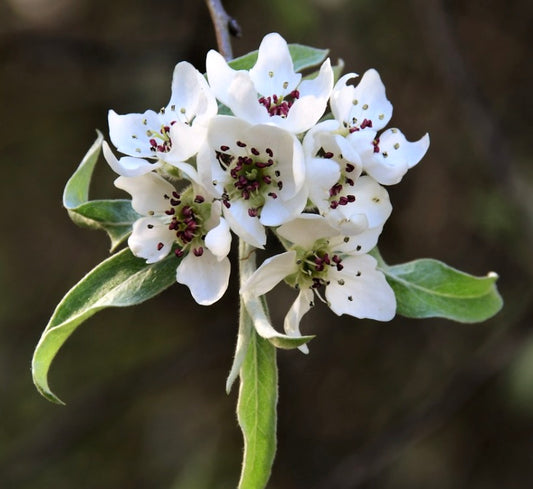
Pear trees belong to the Rosaceae family and display a typical tree form with a rounded crown and smooth bark. They develop simple, ovate leaves that turn vivid colors in autumn. Their white to pale pink flowers emerge in early spring, attracting various pollinators essential for fruit production. These trees prefer well-drained soils rich in organic matter, with a slightly acidic to neutral pH. They require full sun exposure to optimize photosynthesis and fruit development. Adapted to temperate zones, they experience dormancy during winter, which is crucial for proper flowering and fruit set. Notably, cold hardy pear varieties have evolved traits such as increased bud hardiness to survive lower temperatures, expanding cultivation into cooler regions.
Planting, Soil, and Climate Needs
Successful cultivation of pear trees depends on selecting an appropriate site with ample sunlight and good air circulation to reduce fungal risks. The soil must drain well to prevent root diseases but retain enough moisture to support growth. Young pear seedlings or grafted saplings require consistent deep watering to establish strong roots. Furthermore, providing sufficient winter chill hours is essential to break dormancy and ensure fruitful blossoming. Growers often select rootstocks adapted to local soil and climate conditions to enhance vigor and disease resistance. When growing pear trees indoors, placing them near bright windows and moving them outdoors during warm seasons supports healthy development.
Care Routines: Watering, Fertilizing, and Pruning
Maintaining pear trees involves attentive watering, especially during dry spells and the initial years after planting. Applying a balanced fertilizer in early spring promotes robust pear tree bloom and fruit set by supplying essential nutrients like nitrogen, phosphorus, and potassium. Pruning annually shapes the tree, improves airflow, and enhances light penetration, which collectively improve fruit quality and reduce disease incidence. Regular maintenance also includes monitoring for common ailments such as fire blight and pear scab, which thrive in humid environments. Additionally, thinning young fruits helps the tree focus energy on producing fewer but larger and healthier fruits.
Pollination and Fruiting Process
Many pear trees require cross-pollination from compatible cultivars to set fruit effectively. Hence, planting different pear varieties in proximity encourages successful pear tree pollination. Bees and other pollinating insects play a vital role in transferring pollen between flowers. Understanding the pear tree growth cycle—from winter dormancy through flowering to fruit maturation—enables timely care such as pruning and fertilizing. For indoor pear trees grown without natural pollinators, manual pollination techniques may be necessary to ensure fruit production.
Ornamental and Edible Appeal
Besides their fruit, pear trees enhance landscapes with their seasonal beauty. Their delicate blossoms herald spring, while lush green foliage provides summer shade. In autumn, the leaves turn golden or bronze, adding visual interest before winter dormancy. This seasonal transformation makes them popular in both traditional and contemporary gardens. Whether cultivated as a small pear tree in a pot or within a large pear orchard, they combine aesthetic appeal with practical fruit harvests. Pear trees also contribute ecologically by supporting pollinators and providing food for wildlife.
Here are key features and considerations for pear trees cultivation:
- Adaptation to temperate climates with distinct seasons
- Preference for well-drained, fertile soils rich in organic content
- Dependence on cross-pollination for optimal fruiting
- Regular pruning to maintain tree health and fruit quality
- Seasonal ornamental interest from blossoms, foliage, and fruit