Collection: Olea
Olea: The Iconic Genus of Olive Trees
The Olea genus includes several species, most notably Olea europaea (the olive tree) and Olea fragrans. These evergreen plants play vital ecological and cultural roles, especially across Mediterranean and subtropical regions. They feature evergreen foliage and produce fragrant flowers, enriching diverse ecosystems. Adapted to a range of environments, Olea species help stabilize soil, offer shelter to various animal species, and support pollinators such as bees and butterflies. Their ability to thrive in dry, rocky soils highlights important morphological adaptations like deep roots and drought resistance, which enable them to survive in challenging habitats.
Discover the Beauty of Olea Europaea
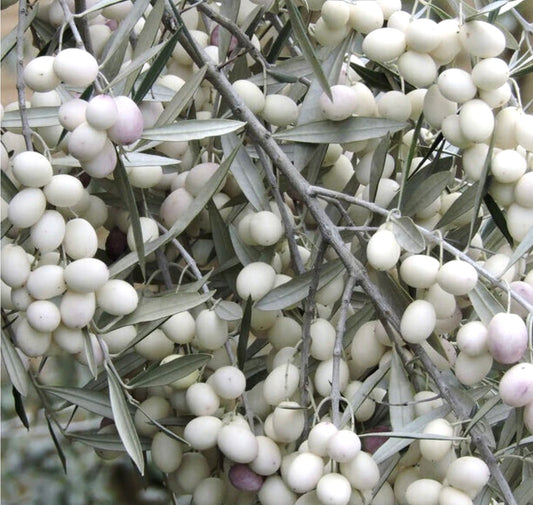
Olea europaea, commonly known as the olive tree, is a keystone species in Mediterranean ecosystems and agriculture. It features distinctive gnarled trunks and narrow, silver-green leaves that reflect sunlight to reduce water loss. This species thrives in dry, rocky soils and tolerates drought through extensive root systems that access deep water reserves. Olive trees produce fruit primarily used for olive oil production, a practice with a history spanning thousands of years. Ecologically, Olea europaea provides shelter and food for numerous birds and insects, thereby enhancing local biodiversity and supporting ecosystem stability. Additionally, it contributes to carbon sequestration and soil conservation in its native habitats.
How to Care for Olea Trees
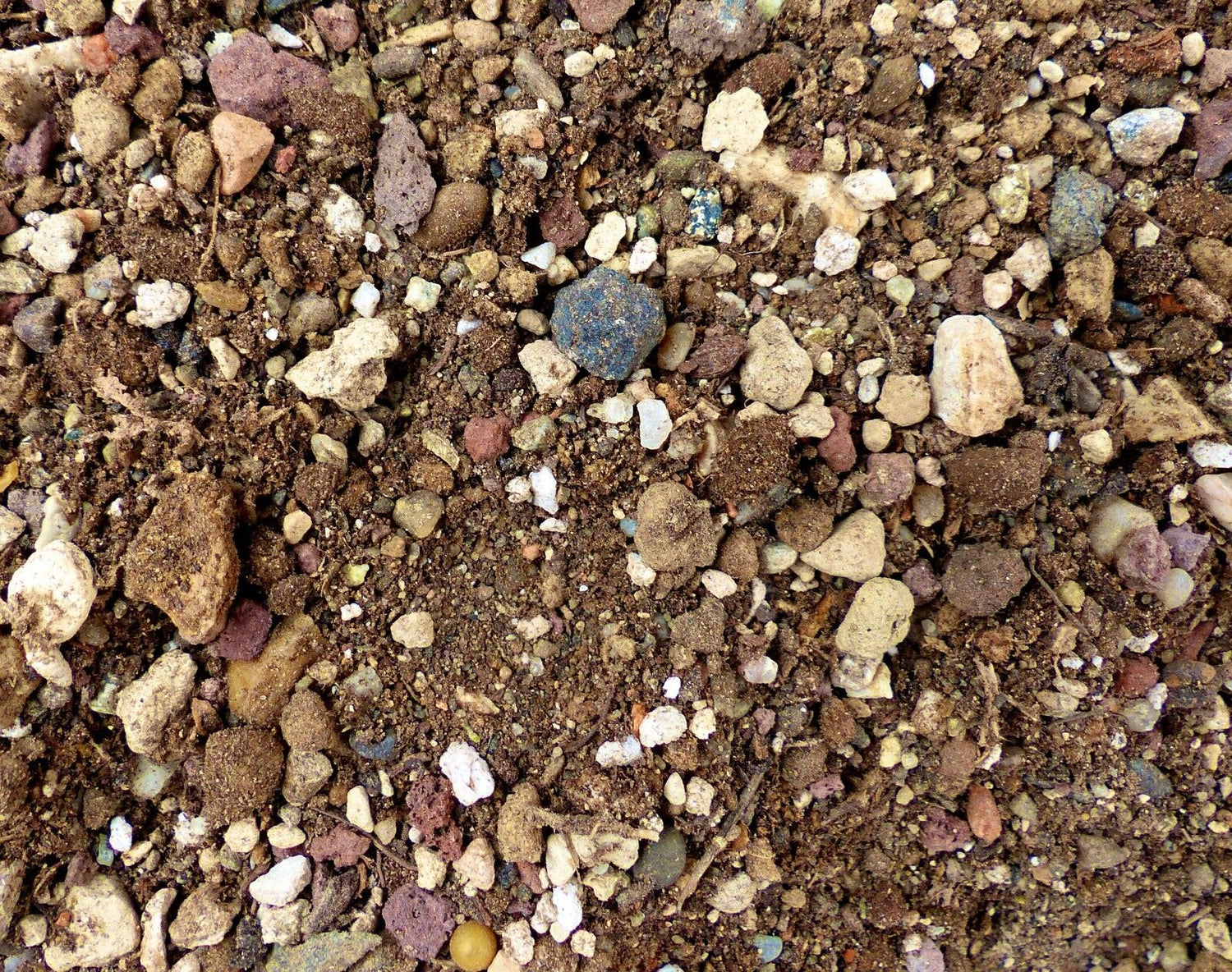
Growing Olea trees requires knowledge of their natural preferences. These trees thrive in well-drained soil under full sun, reflecting their adaptation to warm, arid climates. Regular pruning encourages healthy growth and improves air circulation, reducing disease risk. Once established, they need moderate watering; although drought-resistant, they benefit from moisture during prolonged dry periods. Olea species generally demand low maintenance, making them suitable for both ornamental and agricultural purposes. Their resilience to pests and diseases varies, but monitoring and management remain important to prevent infestations such as scale insects.
Here are key care aspects for Olea trees summarized in a list:
- Plant in sunny locations with well-drained soil
- Prune annually to maintain shape and health
- Water moderately after establishment, avoiding waterlogging
- Protect from extreme frost, which can damage young trees
- Monitor for pests like scale insects and manage accordingly
Where to Buy Olea Trees Online
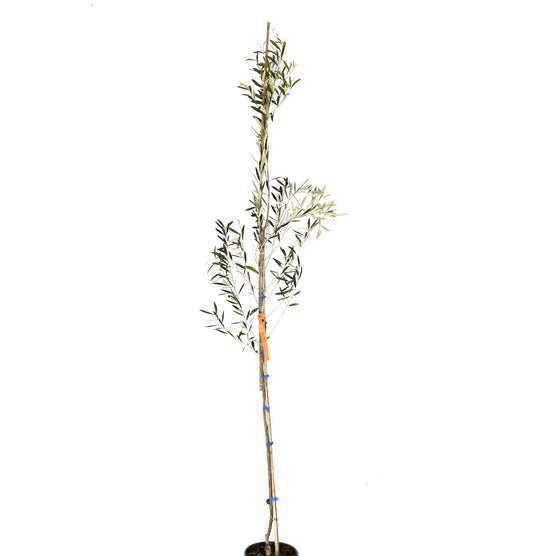
A variety of Olea species are available from online nurseries, including both ornamental and fruit-producing types. Popular selections include Olea europaea for its valuable fruit and Olea fragrans, prized for its fragrant blossoms and compact growth. These species adapt well to Mediterranean climates and also thrive in temperate zones with proper care. Their resilience and versatility make Olea trees important components in gardens and landscapes worldwide. Furthermore, they contribute significantly to ecological health by supporting pollinators and enhancing soil stability, while also preserving cultural heritage associated with olive cultivation.