Collection: Nopalea Seeds
Nopalea Seeds – The luminous seedlings of tropical drylands
Botanical identity and origin
Arising from tropical dry forest habitat seeds, Nopalea Seeds embody a lineage of Opuntioid cacti adapted to heat, episodic rains, and diffuse woodland light. Defined by arid-climate cactus seeds and an early capacity for water storage, these embryos anchor themselves in coarse soils shaped by seasonal drought. Species such as nopalea cochenillifera illustrate this ecological clarity, uniting cladode-based strategies with a heat-tolerant germination cycle. Through these traits, Nopalea Seeds reveal a botanically refined response to scarcity and exposure across dry tropical landscapes.
Species diversity and seedling resonance
The genus displays expressive variation beginning at the seedling stage: nopalea karwinskiana develops broad juvenile pads with modest spination, while nopalea auberi reveals elongated cladode tendencies and subtle color shifts. Across these forms, paddle cactus seed propagation highlights a reliance on stored moisture and resilience-driven architecture. Thin-spined juvenile pads and fleshy cladode seedlings progress into structures capable of producing bright red cactus flowers, sustaining pollinator networks within dryland ecologies.
Cultivation and germination adaptability
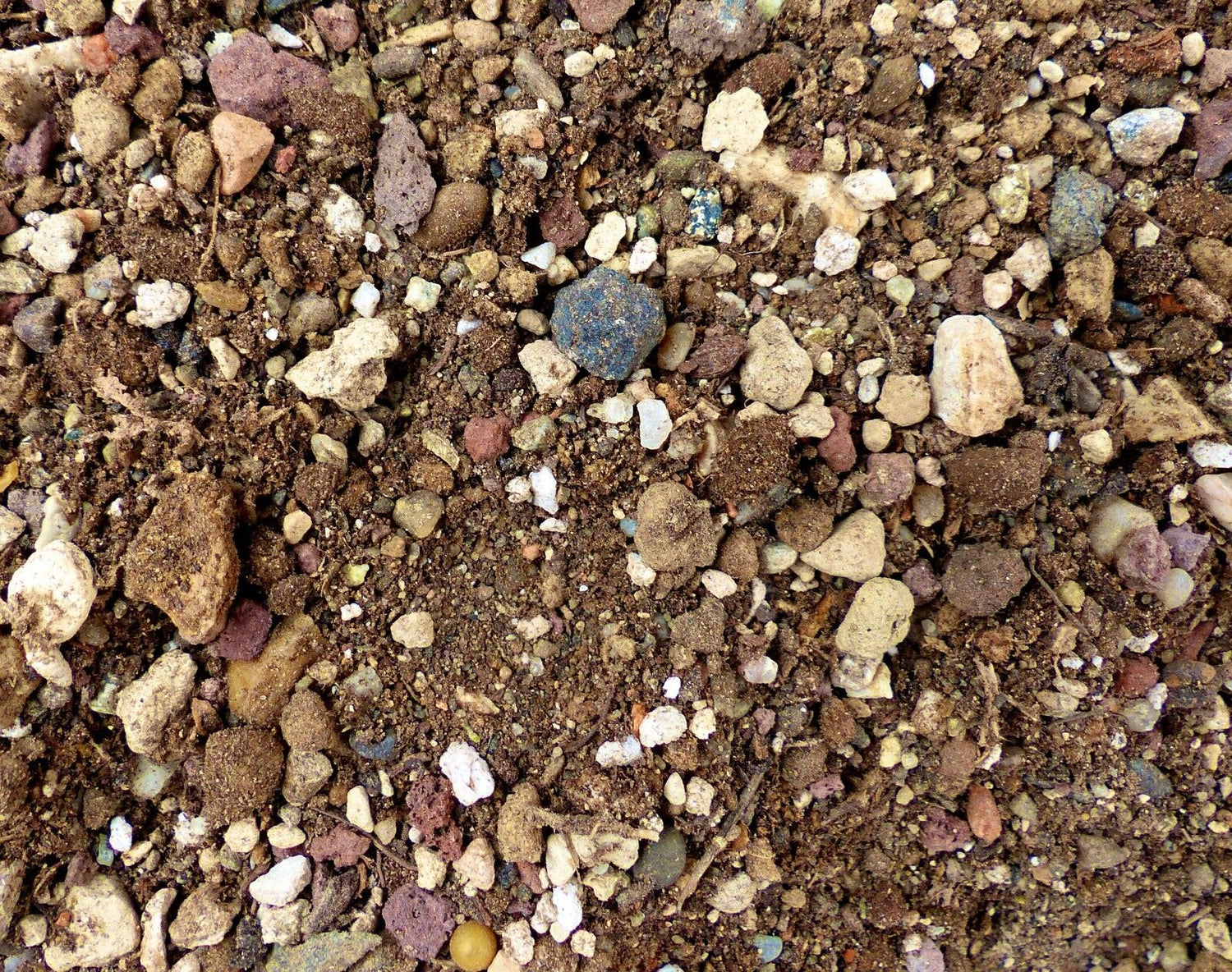
In cultivation, Nopalea Seeds require mineral substrates, full light, and irrigation punctuated by generous drying intervals mirroring xeric seedling development. As arid-climate cactus seeds, they respond to warmth and airflow that stabilize young tissues. Meanwhile, paddle cactus seed propagation encourages early rooting and steady cladode expansion.
-
Seedlings reacting to narrow moisture windows
-
Light promoting pigment formation in young pads
-
Mineral soils supporting rapid root anchoring
-
Juvenile cladodes refining structure under heat
Symbolic synthesis and aesthetic meaning
Ultimately, Nopalea Seeds express a poetics of luminosity and endurance. Through species like nopalea cochenillifera and nopalea auberi, the genus embodies a balance between architecture, color, and ecological function. From their earliest forms, Nopalea Seeds stand as emblems of dryland clarity, where water, heat, and light converge to shape vibrant cactus presence.