Collection: Myrciaria
Myrciaria – tropical fruit trees of vivid sweetness
A genus rich in tropical abundance
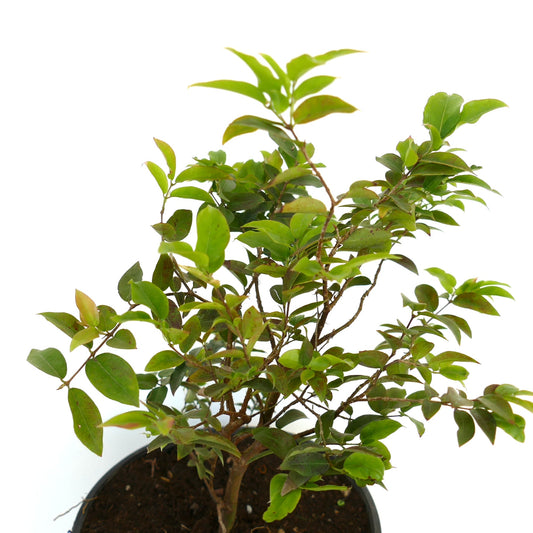
Myrciaria is a genus of tropical and subtropical fruit trees belonging to the Myrtaceae family, famed for producing small, edible berries. Native to South America, these plants combine ornamental charm with nutritional richness. Their glossy foliage and clusters of edible berries make them equally suited for home orchards and botanical gardens. Among them, Myrciaria cauliflora, known as jaboticaba, is celebrated for its dark purple fruits that grow directly from the trunk, a phenomenon that enchants collectors and horticultural enthusiasts alike.
Distinct species with unique appeal
The genus includes remarkable species such as Myrciaria dubia, commonly known as camu camu, prized for its exceptional vitamin C content and tart flavor. Other noteworthy members—floribunda, aureana, and vexator—offer variations in fruit size, sweetness, and coloration, broadening horticultural diversity. Cultivars like jaboticaba cauliflora and jabuticaba cauliflora are favored for their prolific yields and striking appearance when covered in clusters of ripening fruit. Each species within Myrciaria contributes to the genus’s dual reputation for beauty and productivity.
Cultivation and growing conditions
Myrciaria thrives in humid, frost-free climates with fertile, well-draining soil. These evergreen shrubs and trees appreciate consistent watering and partial to full sunlight. When mature, species such as camu camu dubia and jaboticaba bear fruit multiple times per year. Patience is rewarded: their slow growth yields trees of exquisite form and heavy seasonal crops. Suitable for tropical gardens and containers alike, they merge practicality with ornamental appeal.
Culinary and ecological significance
Beyond the garden, Myrciaria holds great value in nutrition and ecology. Fruits like camu camu are rich in antioxidants, while jaboticaba contributes to local economies and traditional cuisines.
-
Produces antioxidant-rich tropical and subtropical fruits
-
Includes species with striking trunk-borne flowering and fruiting
-
Combines ornamental beauty with exceptional edible value