Collection: Musa Seeds
Musa Seeds
Musa is a fascinating genus of tropical plants that includes both ornamental and edible banana species, valued for their lush foliage and striking appearance. This genus encompasses species such as musa velutina, musa basjoo, and musa acuminata, each displaying unique adaptations to their native environments. These plants thrive in warm, humid climates and contribute significantly to tropical ecosystems by providing food and habitat for various animals.
The Tropical Charm of Musa from Seed
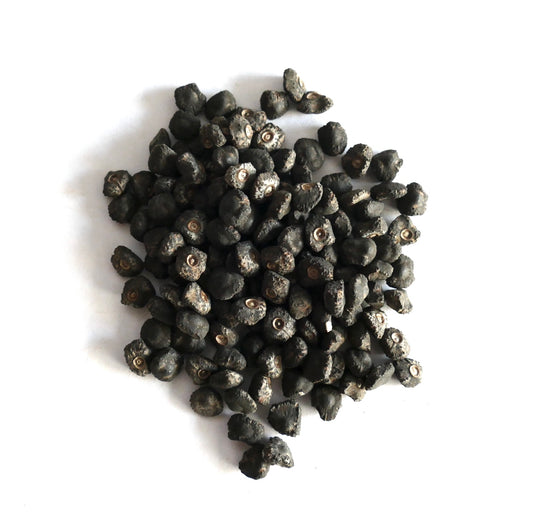
Growing musa from seed offers an engaging way to observe the development of these tropical plants from their earliest stages. Species like musa velutina are admired for their vibrant pink fruits and fast growth, while musa basjoo is notable for its cold hardiness, allowing it to survive in temperate zones. Starting with seeds such as pink banana seeds not only provides a hands-on experience but also reveals the fascinating seed morphology that supports germination in moist, tropical soils.
How to Grow Musa from Seed
Successful cultivation of musa seeds demands patience and attention to environmental conditions. Begin by soaking the seeds for 24 hours to soften their tough outer coat, which facilitates water absorption. Plant them in well-draining, moist soil maintained at temperatures above 20°C. Germination often takes several weeks, depending on the species and conditions. Maintaining consistent humidity and providing indirect light encourages healthy seedling growth. For instance, cultivars like musa ornata and dwarf banana seeds adapt well to container or greenhouse environments, making them suitable for gardeners in varied climates.
Musa for Gardens and Interiors
Musa species add a tropical and architectural presence to both outdoor gardens and indoor spaces. Hardy varieties such as musa basjoo tolerate cooler climates and can survive mild frost, expanding their use beyond tropical regions. In contrast, musa velutina offers compact growth and ornamental pink fruits, ideal for decorative purposes. These plants often serve ecological roles by attracting pollinators and providing food resources for wildlife. Their broad leaves also contribute to microhabitats by shading understory plants and maintaining soil moisture.
Common features of musa seeds include:
- Hard seed coats that require soaking or scarification
- Preference for warm, humid germination conditions
- Seedlings that develop large, tropical-style leaves
- Adaptability to container and greenhouse cultivation
- Ecological importance as food sources for animals
Start Your Musa Collection from Seed
Exploring the diversity of musa seeds allows gardeners and collectors to appreciate the genus’s remarkable range. From musa ensete seeds, known for their giant banana relatives, to banana fruit seeds used in breeding programs, the genus offers numerous opportunities for study and cultivation. Growing these plants from seed unveils their biological and ecological complexity, fostering a deeper connection to tropical biodiversity and plant evolution.