Collection: Monolluma Seeds
Monolluma Seeds – The dormant geometries of arid emergence
Botanical identity and origin
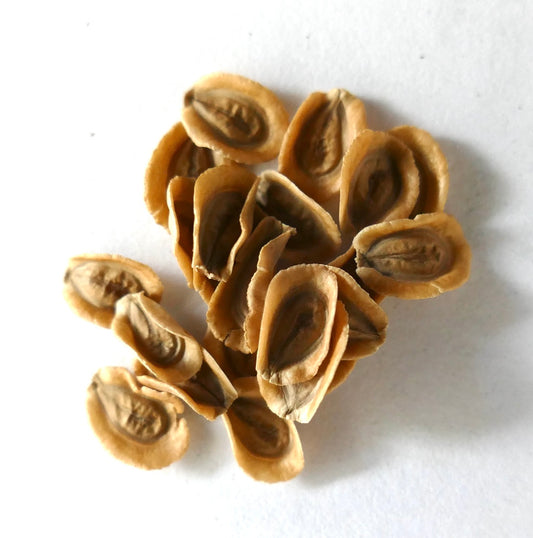
Emerging from southwest Arabian habitat seeds, Monolluma Seeds represent a lineage of caudiciform succulents adapted to hyper-arid plateaus and rocky plains. Their embryos embody strategies of arid-climate seed germination, enabling survival through prolonged drought and sudden rainfall pulses. Species such as monolluma echinatum illustrate this union of minimal moisture requirements and structural precision, while Monolluma Seeds generally anchor themselves within ecological regimes shaped by intense solar exposure and sparse organic soils.
Species diversity and ornamental resonance
Across the genus, Monolluma Seeds reveal variation in juvenile morphology: monolluma quadrangula produces angular stems with early rib formation, whereas monolluma echinatum develops subtle spination and compact early swellings. Through slow-growing succulent seeds, the genus expresses micro-architectural rhythms where caudiciform seedling growth progresses in measured increments. Meanwhile, fine-textured succulent stems transition gradually into adult geometric forms, and monolluma seed pods contribute to the delicate dispersal strategies characteristic of these desert taxa.
Cultivation and landscape adaptability
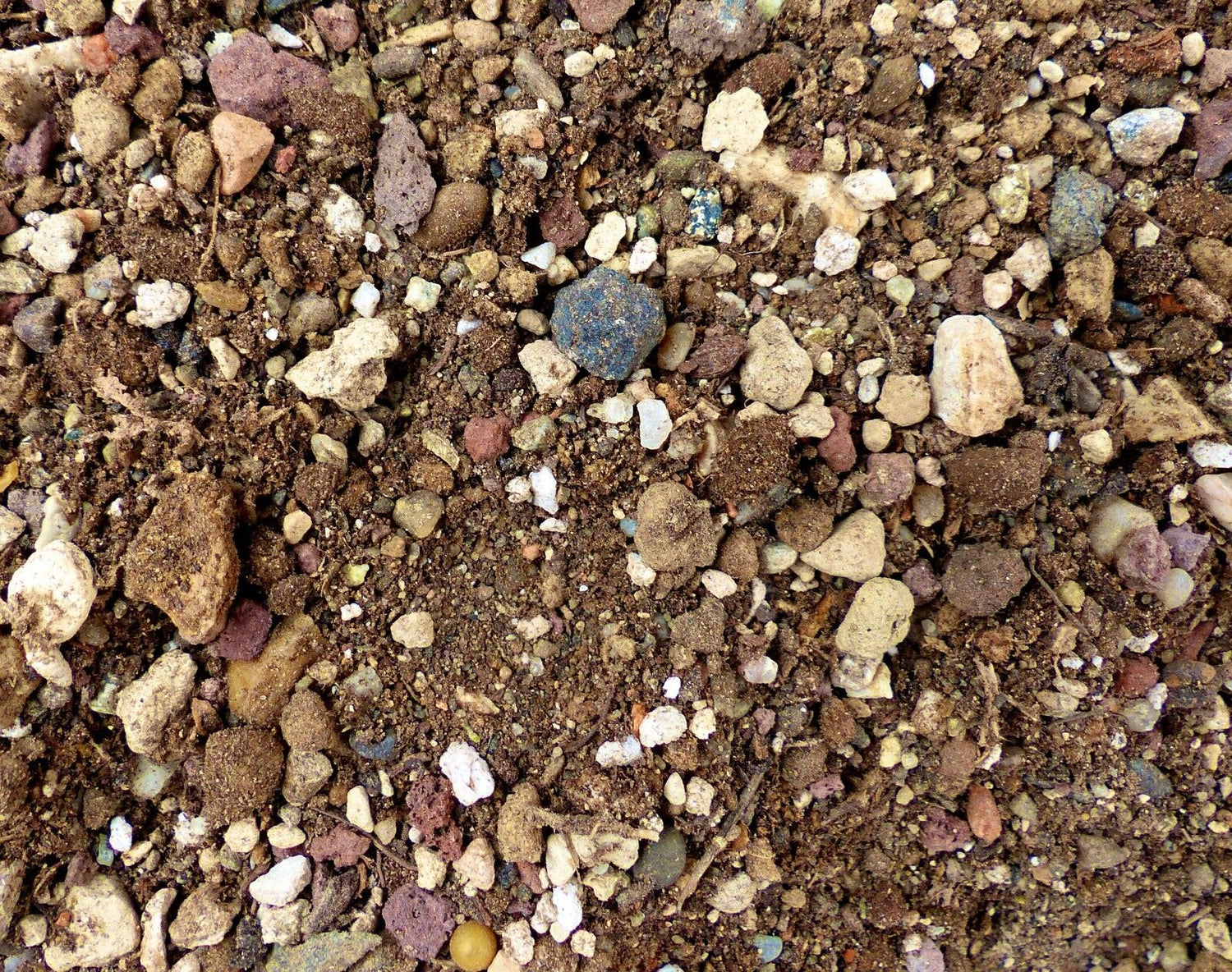
In cultivation, Monolluma Seeds require high mineral substrates, maximal light, and watering aligned with a heat-tolerant germination cycle. Their resilience reflects origins in the southwest Arabian habitat seeds niche, where desert-adapted seedlings withstand rapid evaporation and thermal fluctuation. Thus Monolluma Seeds suit collectors and arid plant compositions focused on precision and endurance.
-
Seedlings responding to sudden humidity pulses
-
Stems forming angular juvenile geometries
-
Mineral soils stabilizing early root systems
-
Heat cycles guiding steady seasonal expansion
Symbolic synthesis and aesthetic meaning
Ultimately, Monolluma Seeds embody a poetics of latent vitality: minimal forms awaiting rare moisture to initiate growth. Through species such as monolluma quadrangula and monolluma echinatum, the genus conveys an aesthetic of resilience shaped by scarcity and sunlight. In their quiet transitions from seed to sculptural stem, Monolluma Seeds become emblems of endurance within extreme desert ecologies.