Mandarin Trees: A Citrus Gem for Every Garden
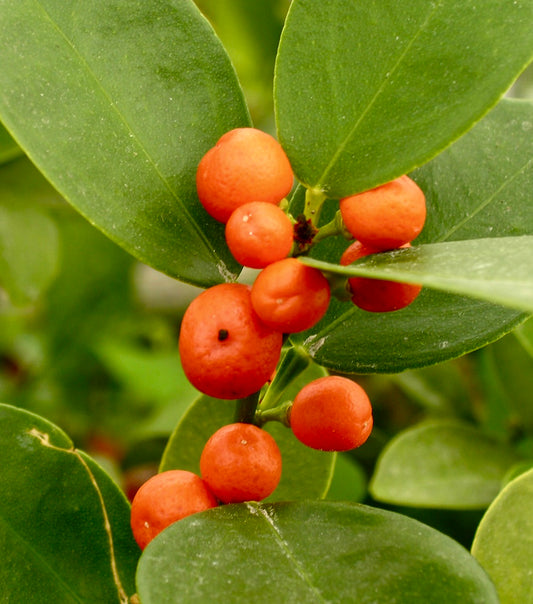
Mandarin trees belong to the Citrus genus and are highly valued for their compact growth, fragrant white blossoms, and sweet, easy-to-peel fruits. These trees thrive in warm climates and show remarkable adaptability to diverse growing conditions, which accounts for their extensive cultivation worldwide. Common varieties include the mandarin orange tree, dwarf mandarin tree, and mature full grown mandarin tree. Their ornamental appeal combined with consistent fruit production makes them favorites among both amateur gardeners and professional horticulturists.
Why Mandarin Trees Are a Favorite Among Citrus Lovers
Originating from Southeast Asia, mandarin trees have spread across subtropical and tropical regions globally. These trees exhibit unique morphological adaptations such as glossy, evergreen leaves and a compact stature, which allow them to fit well into limited garden spaces. Their fragrant flowers attract pollinators like bees, which not only support the tree’s reproduction but also enhance local biodiversity. Moreover, mandarin fruits serve as an important food source for various animals, contributing to ecological interactions within their habitats. Their sweet flavor and thin peel make them a preferred citrus fruit for fresh consumption and culinary uses worldwide.
Caring for Mandarin Trees
To ensure healthy mandarin tree growth, plant them in sunny locations with well-drained, slightly acidic soil enriched with organic matter. Applying a balanced citrus fertilizer regularly supports their nutrient needs, especially during fruiting seasons. Watering should be consistent but moderate to avoid root diseases such as rot. Pruning enhances air circulation and sunlight penetration, which improves fruit yield and lowers pest risks. Some varieties, like the satsuma mandarin tree, exhibit good cold tolerance, allowing cultivation in a broader range of climates. Proper care maintains the tree’s vigor and productivity over many years.
Key care tips for mandarin trees include:
- Provide at least 6 hours of direct sunlight daily.
- Use well-drained soil mixed with organic compost.
- Water deeply but infrequently to encourage robust root systems.
- Fertilize during spring and summer using a citrus-specific formula.
- Prune after fruit harvest to preserve shape and health.
Ideal for Indoor and Outdoor Cultivation
Mandarin trees adapt well to container growing, making them suitable for indoor environments or regions with colder winters. Dwarf varieties such as the dwarf mandarin orange tree and indoor mandarin tree remain manageable in size and can produce fruit year-round under optimal conditions. When cultivated indoors, they require ample light, humidity control, and protection from drafts. Outdoors, they flourish in USDA zones 9 through 11 and are often found in home orchards and ornamental gardens. This adaptability to diverse growing conditions contributes to their worldwide popularity among gardeners.
Ecological and Botanical Significance
Mandarin trees play a crucial ecological role by supporting pollinators and providing habitat for beneficial insects. Their fruits attract birds and mammals, which assist in seed dispersal within naturalized environments. Botanically, mandarins belong to a complex hybrid group within Citrus, exhibiting considerable genetic diversity that benefits breeding programs aimed at improving disease resistance and fruit quality. Representative hybrids include tangelos and various satsuma cultivars. Understanding these botanical relationships aids in conserving citrus biodiversity and optimizing cultivation practices for sustainable production.