Collection: Mallotus Seeds
Mallotus Seeds – Unique Foliage Plants from the Tropics
Discover the Botanical Richness of Mallotus
The genus Mallotus includes over 100 species of flowering shrubs and small trees native to tropical Asia and the Pacific. With striking foliage, colorful fruit, and unique botanical traits, species like Mallotus philippensis, Mallotus japonicus, and Mallotus apelta are valued both for their ornamental appeal and ecological roles in reforestation and native landscapes.
Growing Mallotus from Seed
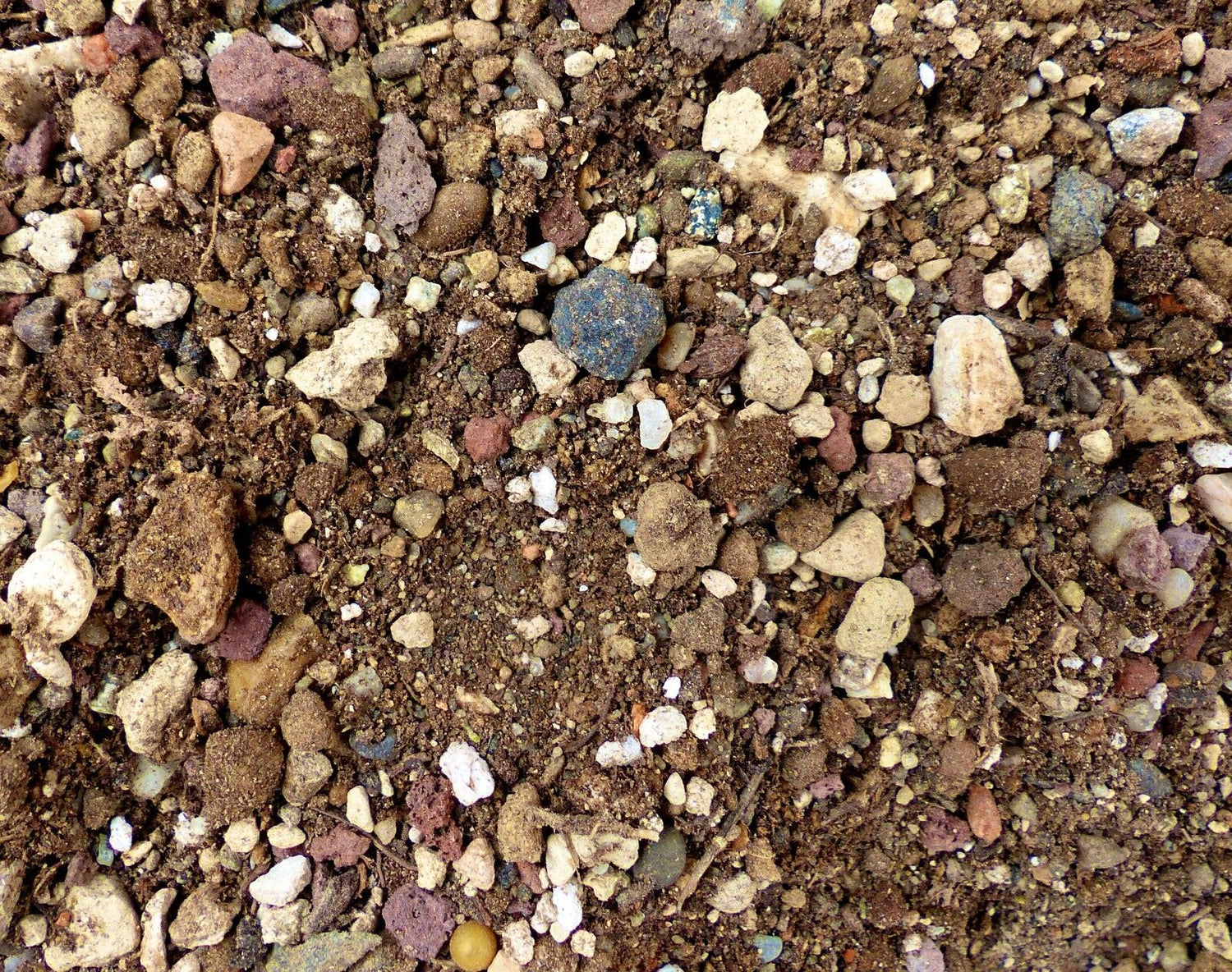
Mallotus Seeds thrive in warm, humid climates and germinate best in loose, well-draining soil with indirect sunlight. These fast-growing plants are ideal for tropical and subtropical gardens. Species such as Mallotus paniculatus, Mallotus peltatus, and Mallotus claoxyloides adapt well to both naturalized plantings and botanical collections. Once established, they are resilient and attract local fauna, including pollinators and birds.
A Genus Full of Ornamental and Ecological Value
Beyond their beauty, plants like Mallotus philippensis (also known as the Kamala tree) are known for their distinctive reddish fruit and powdered seed coating. Others, such as Mallotus repandus and Mallotus discolor, offer richly textured foliage in shades of green, purple, and bronze. Whether used as understory plants or focal specimens, Mallotus adds depth to tropical designs.
Seeds for Tropical Plant Enthusiasts and Designers
If you’re looking to diversify your tropical collection, Mallotus Seeds are a rewarding choice. From Mallotus furetianus to Mallotus mollissimus, this genus offers color, texture, and ecological benefit in warm-climate landscapes.