Kiwi Plants: Climbing Vines for Abundant, Vitamin-Rich Harvests
Botanical Profile and Growth Potential
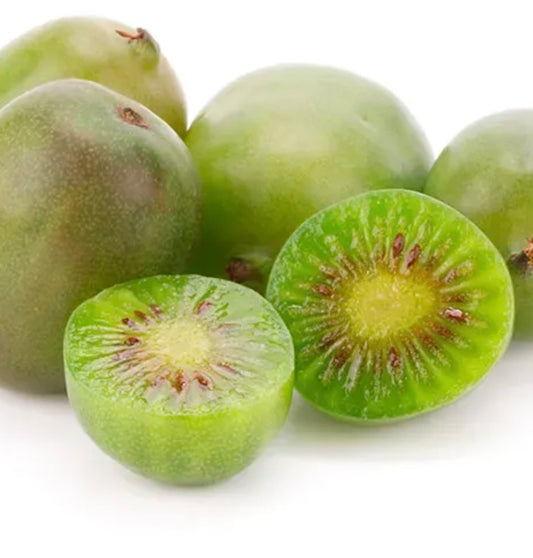
Kiwi plants, belonging to the genus Actinidia, are vigorous climbing fruit vines prized for their dense foliage and nutrient-rich fruits. These perennial plants produce oval-shaped, fuzzy-skinned fruits commonly known as kiwi fruit. Gardeners cultivate them in various settings, including gardens and containers, provided they receive appropriate care. Typically, there are distinct male and female kiwi plants, although some modern self-fertile kiwi varieties can bear fruit without a pollinator. Notable species include the hardy kiwi (Actinidia arguta) and the classic fuzzy kiwi (Actinidia deliciosa), both valued for their unique flavors and adaptability.
Climate, Soil, and Placement
To successfully grow kiwi, plants require full sunlight, well-draining soil, and shelter from strong winds. They thrive in temperate to subtropical climates, with cold hardy kiwi plants able to withstand light frosts. Providing a sturdy kiwi trellis or support is crucial because the vine grows rapidly and can become heavy. When cultivating kiwi in containers, gardeners should use deep pots and repot regularly to accommodate root growth. Indoors, kiwi plants need abundant light and consistent humidity to flourish.
Pollination and Fruiting
Most kiwi plants require both male and female plants for effective pollination and fruit production. However, self-pollinating kiwi plants simplify this process by producing fruit independently. Successful pollination typically occurs in late spring, leading to fruit maturation by late summer. Gardeners should prune annually to manage vine growth and enhance light penetration, which supports higher yields.
Plant Care and Fertilization
Proper kiwi plant care involves consistent watering, especially during warm seasons, and applying balanced fertilization in spring. These vigorous climbers require stable soil moisture, particularly during flowering and fruit development, to prevent stress and fruit drop. A well-managed watering routine helps maintain turgor in the leaves and supports the formation of high-quality fruit.
Fertilizers rich in nitrogen and potassium benefit kiwi plants by promoting healthy foliage and abundant fruiting. Nitrogen supports early vegetative growth, while potassium enhances fruit set and improves the sweetness, firmness, and shelf life of the berries. Balanced formulas should be applied at key developmental stages, with caution to avoid over-fertilization, which can lead to excessive vine growth at the expense of flowering.
Winter pruning helps maintain vine structure and stimulates new fruiting shoots. Since fruit develops on one-year-old wood, removing older or unproductive canes encourages the formation of fresh, fruit-bearing shoots. Pruning also opens up the canopy for improved air circulation and light penetration—factors that reduce disease pressure and support uniform fruit ripening.
It is important to secure vines on supports to prevent damage as they develop and mature. Trellising systems such as T-bar or pergola structures provide physical support and optimize exposure to sunlight, especially in temperate climates. Training the vines from an early stage ensures a manageable shape, facilitates harvesting, and allows for proper airflow between foliage layers.
Decorative and Productive Use
Kiwi plants serve well in edible landscaping, effectively covering pergolas, fences, or trellises to provide both privacy and fresh produce. Their rapid growth, ornamental leaves, and high vitamin content make them popular among gardeners. Kiwi plants also play an ecological role by attracting pollinators such as bees, which support broader biodiversity in garden environments.
- They adapt to diverse soil types but prefer slightly acidic to neutral pH.
- Kiwi vines develop aerial rootlets to anchor to supports.
- Their fruits contain vitamins C and K, antioxidants, and dietary fiber.
- Wild relatives occur in East Asia, highlighting their ecological range.
- They provide habitat and food for various insects and birds.


 Sold out