Collection: Inga
Inga – the tropical ice cream bean tree
A versatile genus of tropical trees
Inga is a fascinating genus of leguminous trees known for their lush foliage, edible pods, and ecological importance. Species such as edulis are widely cultivated for their sweet, cottony pulp, often referred to as the ice cream bean. These bean trees thrive in warm climates where they serve as shade providers, windbreaks, and soil enrichers. By fixing nitrogen naturally, they improve fertility and support sustainable agroforestry systems, blending usefulness with ornamental value.
The unique appeal of the ice cream bean
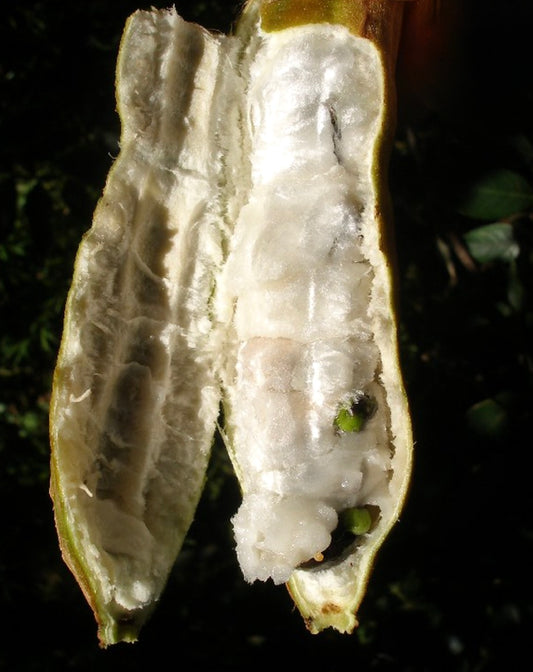
Among the many species, Inga edulis stands out for producing the popular ice cream bean fruit. Encased in long, green pods, the soft white pulp delights with a mild, vanilla-like flavor, earning its common name. As an ice cream bean tree, it draws attention not only for its edible qualities but also for its generous canopy that offers shade. These traits make it a multifunctional tropical tree highly valued by communities across Central and South America.
Cultivation and adaptability
Gardeners and farmers alike prize Inga for its resilience. Species such as edulis tree tolerate a wide range of soils and adapt to different hardiness zones in tropical and subtropical regions. Propagation often comes from edulis seeds, which germinate quickly under warm conditions. Once established, these trees require little care, offering long-term structure, abundant fruit, and environmental benefits such as erosion control. Their versatility explains their increasing role in agroforestry projects.
Ornamental and ecological significance
Beyond practical uses, Inga enriches landscapes with evergreen foliage and a spreading crown. It provides a natural shade tree for crops, livestock, or garden areas while adding beauty to tropical designs.
-
Offers edible pods with soft, sweet vanilla-like pulp
-
Provides shade and shelter through a wide, evergreen canopy
-
Enhances soils naturally through nitrogen-fixing roots


 Sold out