Collection: Hamamelis
Hamamelis – witch hazel with winter magic
Seasonal brilliance in the cold months
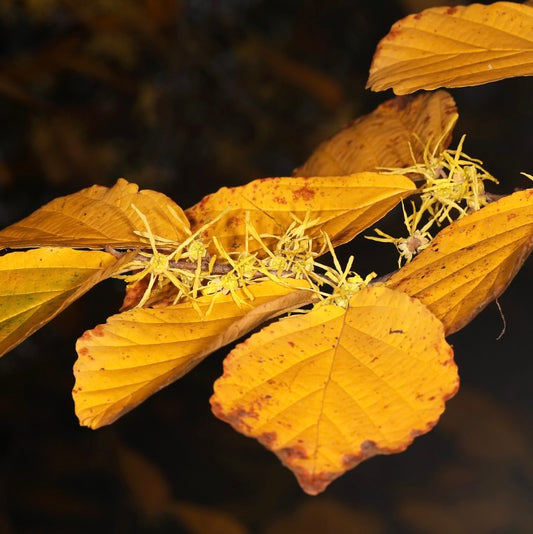
Hamamelis is cherished for its unusual ability to flower in late winter when few other shrubs dare to bloom. Species like virginiana and vernalis are valued for their clusters of ribbon-like petals that brighten gardens with shades of yellow, orange, or red. This remarkable witch hazel plant stands out against bare winter landscapes, providing both color and fragrance at a time of seasonal scarcity. Its enduring presence in gardens worldwide attests to its resilience and charm.
Diversity of cultivars and forms
Within the genus Hamamelis, numerous cultivars bring unique ornamental value. The golden tones of arnold promise contrast with the rich red hues of diane, while hybrids like virginiana witch hazel add both vigor and adaptability. Gardeners often use Hamamelis tree forms to create vertical accents, while compact plants work well in mixed borders. With such variety, this genus appeals equally to collectors and casual gardeners seeking winter brilliance.
Cultural and horticultural significance
Historically, Hamamelis has been valued not only for its beauty but also for its role as a medicinal plant. Known as witch hazel, its extracts have long been used for soothing remedies, giving the shrub dual appeal. Modern cultivators admire its garden performance just as much, noting how well it adapts to different climates. From flower displays to autumn foliage, it offers multiple layers of ornamental and cultural richness.
Growing conditions and garden uses
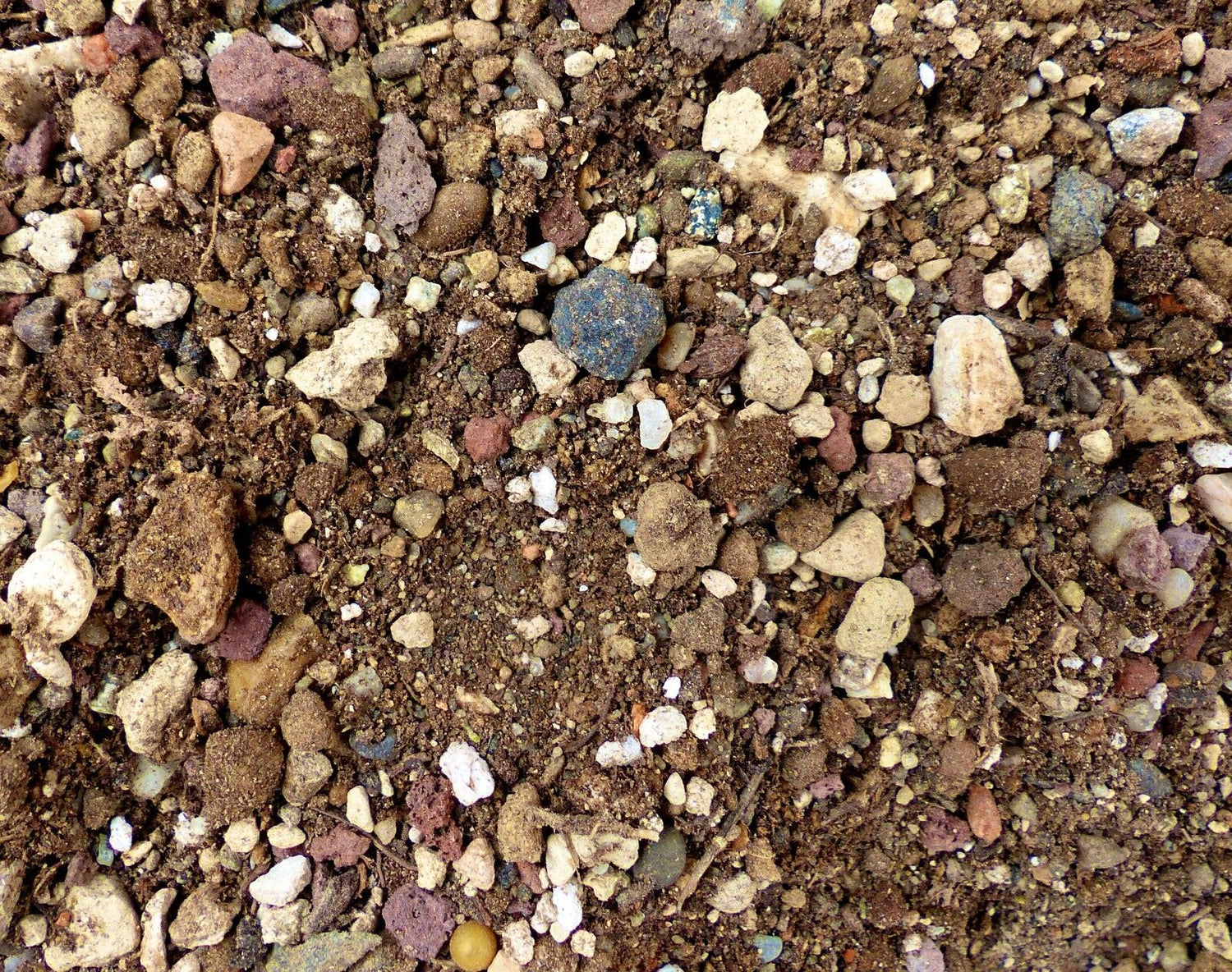
For best results, Hamamelis prefers well-draining soil, ample moisture, and a sunny to lightly shaded position. Its deciduous nature allows for seasonal rhythm, from brilliant autumn color to fragrant winter flowers. Easy to combine with other landscape shrubs, it enhances gardens year-round.
-
Brings vibrant yellow or red flowers to winter landscapes
-
Offers seasonal interest with strong autumn foliage colors
-
Combines ornamental beauty with centuries of herbal use