Guava Trees: Tropical Fruit Trees for Flavor, Fragrance, and Foliage
Botanical Identity and Ornamental Value
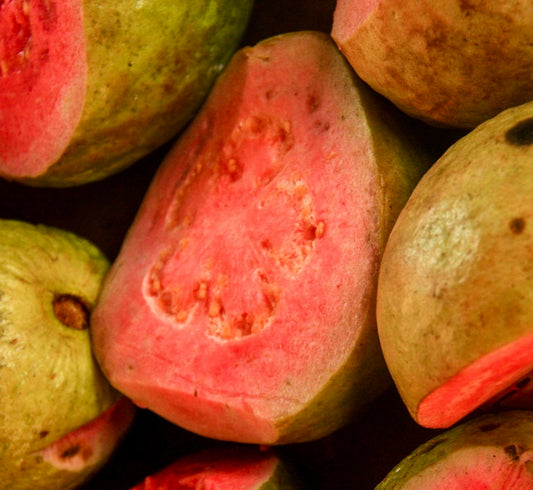
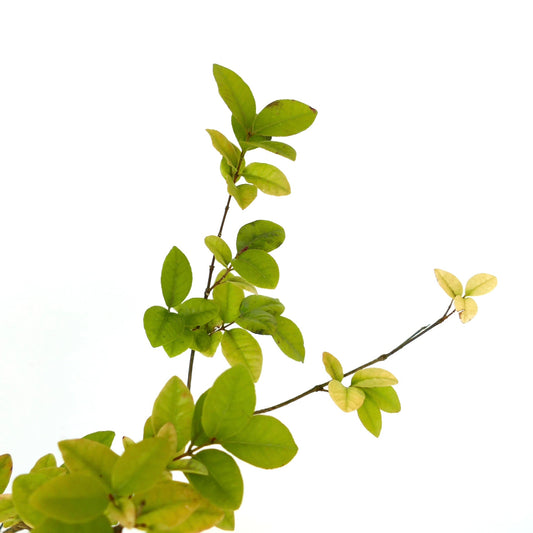
Guava trees (Psidium guajava) are iconic tropical fruit trees, loved for their fragrant blossoms, flavorful fruits, and elegant evergreen foliage. These trees have become symbols of abundance and tropical richness across warm regions worldwide. Guava trees grow between 3 and 10 meters tall, depending on the variety and growing conditions, and can be easily shaped or trained for small-space cultivation. The branching structure is typically open and airy, offering visual lightness while still providing shade. Their fruits vary in size and flavor: some are sweet and floral, others more acidic and crisp, catering to a wide range of culinary uses. In addition to being consumed fresh, guava is commonly used in jams, jellies, juices, and desserts, as well as in savory sauces and teas. The foliage is not just decorative; crushed guava leaves emit a pleasant, herbal aroma and are used in traditional medicine for their antimicrobial and anti-inflammatory properties. Whether grown as a statement tree in tropical courtyards or as productive elements in food forests, guava trees deliver aesthetic beauty, ecological function, and gastronomic delight in a single species.
Climate, Soil, and Sunlight Requirements
Growing guava successfully requires a warm climate and full sun. These plants are best suited to USDA-equivalent climates where winters are mild and frost is rare, though some varieties—like ‘Tropic White’ or ‘Ruby Supreme’—have demonstrated resilience in cooler microclimates. Guava trees respond well to sandy, loamy soils that allow water to drain freely while still retaining nutrients. Incorporating compost or well-rotted manure into the planting hole can boost early establishment and increase overall fruit production. In humid tropical regions, guavas thrive with minimal care, while in drier climates, mulch can help conserve moisture and suppress weeds. For container growers, using a deep guava tree pot with ample drainage is essential, and repotting every 2–3 years can prevent rootbound conditions. Guava trees indoors require ample light—at least 6–8 hours daily—making them ideal candidates for sunrooms, greenhouses, or bright patios. Supplemental lighting may be used during the darker months. The plant’s tolerance to urban pollution, salty air, and variable soil quality makes it a great choice for city gardens and coastal environments alike.
Guava Tree Care: Water, Fertilizer, and Pruning
Regular guava tree watering during dry periods supports healthy foliage and flower production. During their first year, guava trees should be watered regularly to encourage deep root development. Mature trees are more drought-tolerant but will yield more fruit when watered during blooming and fruit set. Always water at the base to avoid fungal issues on the leaves. For fertilization, a balanced guava tree fertilizer (such as 10-10-10 or similar) enriched with trace minerals like magnesium and zinc supports both vegetative and reproductive growth. Foliar sprays with micronutrients can help in nutrient-deficient soils. Pruning guava trees annually helps regulate height, removes weak or crossing branches, and improves sunlight penetration—all essential for fruit ripening and airflow. Prune after harvest to shape the canopy and encourage new fruiting wood. Training young trees into an open vase or central-leader form ensures strength and long-term productivity. Light trimming during the growing season can also help manage overly vigorous growth. With regular care, guava tree maintenance becomes an easy and rewarding process, providing abundant harvests and maintaining the tree's ornamental shape year-round.
Flowering, Fruiting, and Propagation
Guava tree flowering begins in late spring or early summer, followed by fruit development. The white blossoms, with their delicate, fringed stamens, are not only attractive to the eye but also to bees and beneficial pollinators. After successful pollination, the ovary swells into a rounded fruit, ripening over 3–5 months depending on the guava variety and growing conditions. Properly ripened guavas are aromatic, with soft flesh and a sweet-to-tangy flavor profile. Fruits can be harvested when slightly soft to the touch or left to ripen fully on the tree for maximum sweetness. To improve guava fruiting, provide consistent care—especially moisture and nutrients—during the flowering and fruit-setting phases. Guava propagation via seed is simple and fast, though seed-grown trees may vary in fruit quality. Vegetative propagation via cuttings, grafting, or air layering ensures true-to-type plants and earlier fruiting (often within 2–3 years). Seeds typically germinate within 2–4 weeks under warm conditions. In temperate areas, using cold frames or greenhouses can extend the growing season and protect cold hardy guava cultivars from frost, making them accessible to a broader range of growers.
From Indoor Plant to Orchard Tree
Whether kept as an indoor guava plant or planted in a backyard orchard, guavas are both aesthetic and practical. Their compact size, attractive form, and edible fruits make them ideal for edible landscaping—a trend that merges beauty with productivity. In smaller spaces, dwarf guava trees are excellent for container gardening and urban patios, often reaching only 1.5 to 2 meters in height while still producing full-sized fruit. For those with more room, planting several trees allows for cross-pollination (even if not strictly necessary) and can lead to larger yields and fruit variation. Beyond their use as standalone specimens, guava trees can be integrated into mixed hedges, tropical borders, or even permaculture systems alongside bananas, papayas, and citrus. Their root systems are non-invasive, making them suitable for planting near patios or walkways. In larger orchard settings, regular spacing and seasonal pruning ensure optimal production and airflow. At Botanical Archive, we provide carefully selected cultivars, expert advice, and growing resources—whether you're tending a sunny balcony or starting a full tropical fruit orchard. With their versatility, charm, and yield, guava trees offer one of the most rewarding fruit-growing experiences available.

 Sold out