Collection: Glycyrrhiza
Glycyrrhiza – Deep-rooted perennials of open soils
Botanical identity and origin
Native to temperate Eurasian regions, Glycyrrhiza develops as an herbaceous perennial legume adapted to open, well-drained landscapes. The species glycyrrhiza glabra, commonly known as the licorice root plant, forms an upright clumping growth habit above ground while investing heavily in a deep spreading root system below. Leaves are compound pinnate leaves, efficient for light capture in exposed sites. Within river plains and steppe margins, Glycyrrhiza evolved to persist through disturbance and seasonal extremes.
Species identity and ornamental resonance
The genus is limited in ornamental diversity but coherent in structure. Glycyrrhiza glabra produces pale violet pea flowers during the summer flowering perennial phase, arranged in loose axillary clusters. While flowers are modest, their legume form reflects the plant’s ecological role rather than decorative intent. Foliage creates a soft, ordered texture that emphasizes rhythm and repetition, giving Glycyrrhiza a restrained visual presence grounded in function.
Cultivation and landscape adaptability
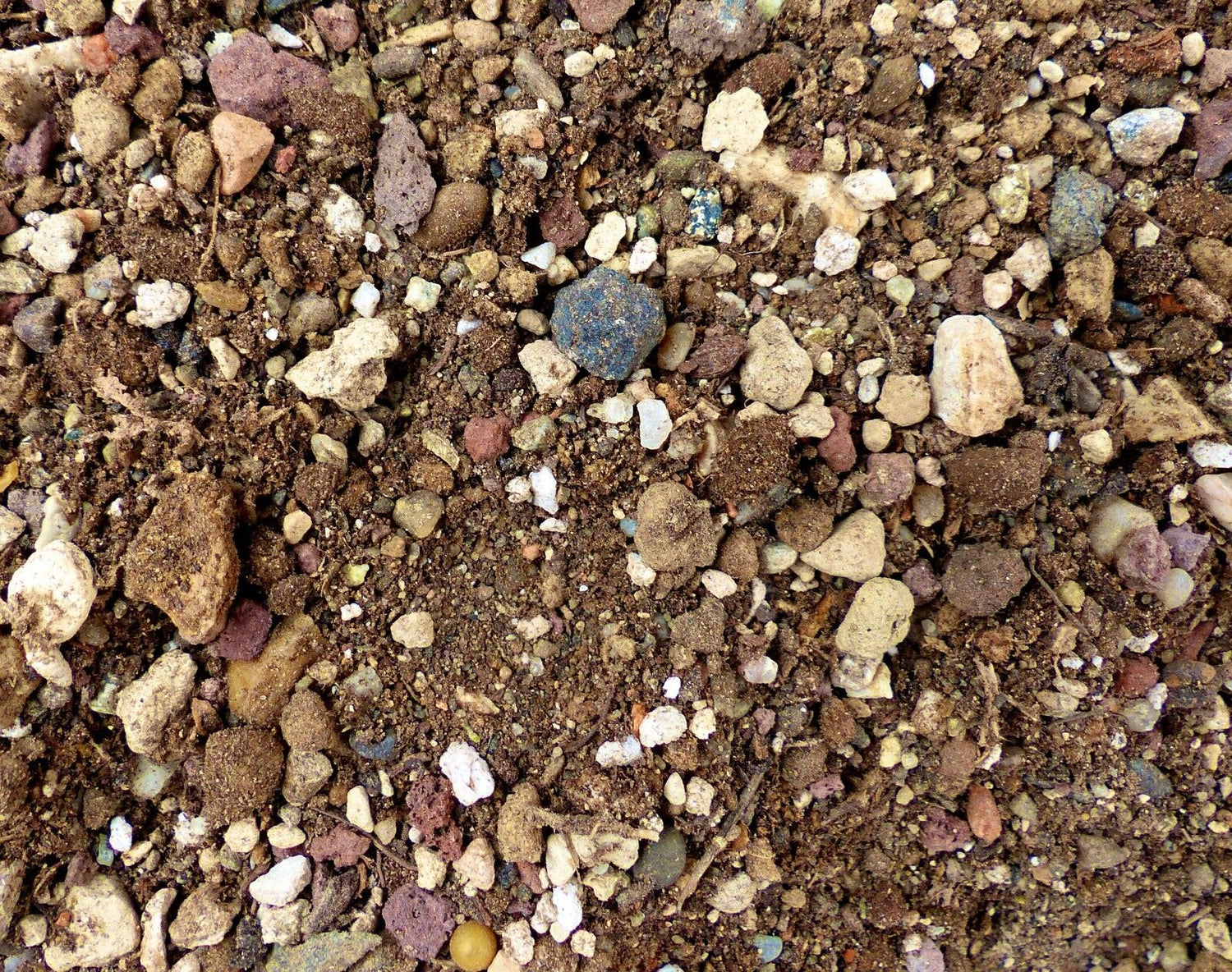
In cultivation, Glycyrrhiza thrives in sun-exposed sites with alluvial and sandy soils, where its roots can extend freely. As a nitrogen-fixing plant species, it contributes to soil enrichment while maintaining stability through drought and periodic flooding. A predictable seasonal aboveground dieback occurs in winter, with vigorous regrowth in spring.
-
Roots expanding laterally beneath loose soils
-
Stems rising cleanly during warm seasons
-
Flowers appearing discreetly in summer
-
Foliage retreating fully after frost
Symbolic synthesis and aesthetic meaning
Ultimately, Glycyrrhiza conveys a poetics of depth and persistence. Through glycyrrhiza glabra, the genus embodies strength hidden below the surface. Its modest flowers, expansive roots, and seasonal rhythm render Glycyrrhiza a botanical emblem of resilience, ecological contribution, and continuity shaped by soil, water movement, and time.