Escontria Seeds: Grow an Uncommon Columnar Cactus from Scratch
Why Choose Escontria Seeds?
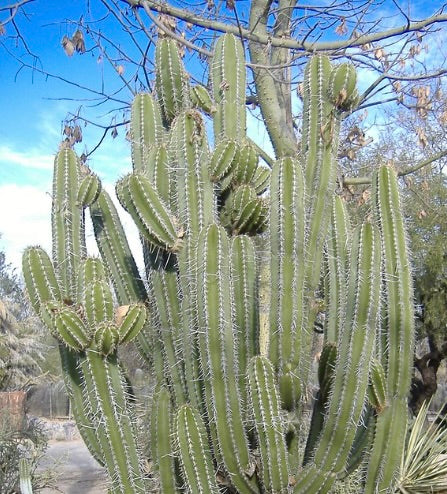
Escontria seeds provide cactus enthusiasts the chance to cultivate a distinctive and rare species known as Escontria chiotilla. This columnar cactus is native to the dry, arid regions of western Mexico, particularly in the states of Sinaloa and Sonora. It is recognized for its tall, ribbed stems and edible fruits called "chiotilla," which have cultural and ethnobotanical significance. The plant's ability to thrive in harsh environments and its unique appearance make it an appealing subject for advanced collectors and researchers interested in xerophytic adaptations.
How to Grow Escontria from Seed
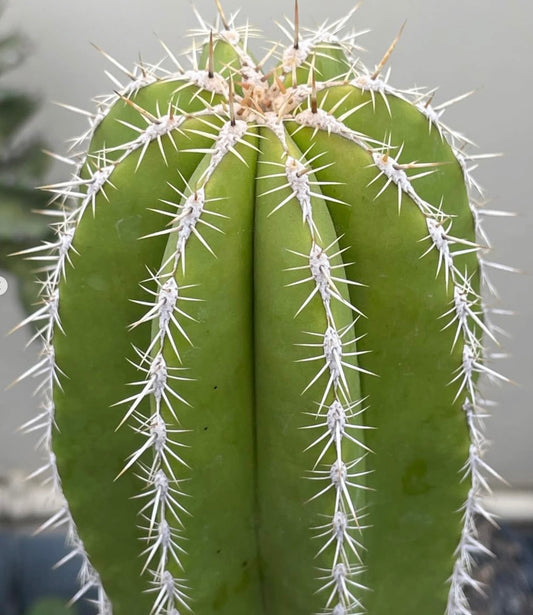
Germinating Escontria seeds requires maintaining warm temperatures between 22-28°C (72-82°F) and ensuring consistent moisture without waterlogging. Use a well-draining cactus substrate composed of sand, perlite, and organic matter to support root development and prevent rot. Escontria chiotilla grows vertically, eventually reaching heights of 3 to 5 meters, displaying prominent ribs and sharp spines that protect it from herbivory. It adapts well to outdoor xeriscapes in warm climates and greenhouses, where it benefits from full sun exposure and minimal irrigation. Proper care includes avoiding excessive watering and providing good air circulation to reduce fungal risks.
Successful cultivation involves understanding the plant’s ecological role; in its native habitat, it provides food and shelter for various birds and insects. Its fruits attract wildlife, aiding seed dispersal and supporting local biodiversity. When sowing, scarifying the seed coat can improve germination rates by mimicking natural processes such as passing through an animal’s digestive tract.
Aesthetics, Adaptability, and Rarity
The striking appearance of the Escontria cactus offers both ornamental and ecological value. Its tall, columnar form with ribbed stems and dense spines creates a sculptural presence in succulent collections. The edible chiotilla fruits are not only rare but also nutritionally valuable, traditionally harvested by indigenous peoples. This species demonstrates significant drought tolerance through morphological adaptations, including thick epidermis and water-storage tissues. These traits allow it to survive prolonged dry periods and intense sunlight, typical of its desert environment.
In addition to its botanical interest, Escontria chiotilla plays a role in desert ecosystems by supporting pollinators such as bees and hummingbirds during flowering. Its rarity in cultivation contributes to conservation awareness, as habitat loss threatens wild populations.
Consider the following key features of Escontria seeds and their resulting plants:
- Native to arid regions of western Mexico, adapted to desert climates.
- Columnar growth habit reaching several meters tall with ribbed, spiny stems.
- Produces edible fruits known as chiotilla, important for local fauna and people.
- Requires warm temperatures, well-draining soil, and full sun for optimal growth.
- Supports local biodiversity by providing food and habitat for wildlife.
Shop Escontria Seeds at Botanical Archive
Obtain authentic Escontria seeds sourced responsibly and shipped from Naples. These seeds appeal to collectors and botanical researchers seeking to explore the growth and ecology of this uncommon cactus species. Cultivating Escontria chiotilla from seed offers insight into its unique adaptations and ecological interactions, enriching any specialized cactus collection.