Collection: Eriocereus Seeds
Eriocereus Seeds – Wool-lined futures of Andean cacti
Botanical identity and origin
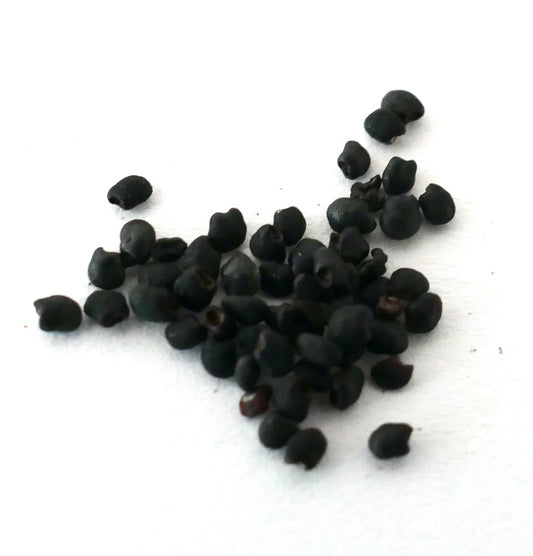
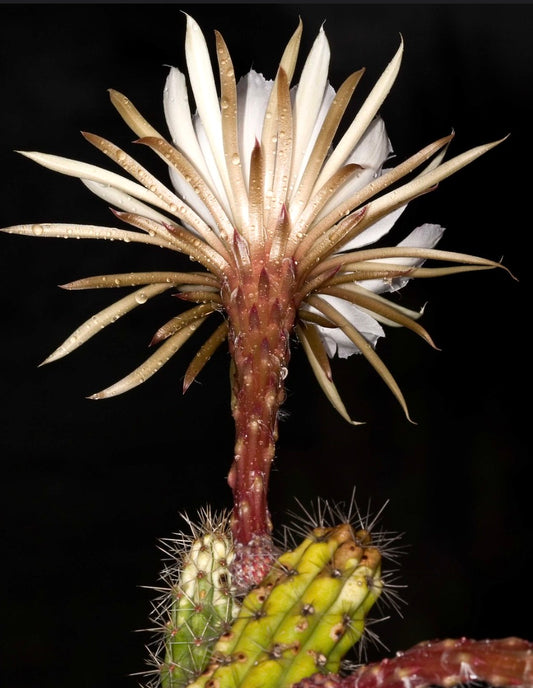
Eriocereus Seeds originate from a columnar cactus genus within the Cactaceae family, native to Andean regions of Peru, Bolivia, and northern Chile. These seeds are small, dark brown to black, and develop within fleshy fruits that emerge from woolly areoles characteristic of the genus. Dispersal is primarily zoochorous, with birds and small mammals transporting seeds into rocky slopes and mineral-rich soils. Germination aligns with warm temperatures and seasonal rainfall, enabling seedlings to establish in high-altitude environments shaped by strong sun, wind, and temperature fluctuation.
Species diversity and ornamental value
The genetic variation preserved within Eriocereus Seeds reflects the slender diversity of the genus. Species such as Eriocereus jusbertii, E. bonplandii, and E. macrostibas produce seedlings that differ subtly in rib definition, spine length, and growth vigor. Seed propagation is particularly valuable, as vegetative methods often involve grafting that masks natural form. For collectors and botanical collections, seed-grown plants offer authentic expressions of columnar habit and flowering potential shaped by Andean ecology.
Cultivation and adaptability
Sowing Eriocereus Seeds requires excellent drainage, light, and warmth. Seeds should be placed on fine, mineral-based substrates and left uncovered or lightly pressed into the surface. Moderate humidity and temperatures between 20–26 °C typically induce germination within two to three weeks. Seedlings benefit from bright, indirect light and gradual acclimation to cooler nights and drier conditions. Plants raised from seed develop strong root systems and improved tolerance to altitude-related stress over time.
Poetic synthesis and symbolism
Within Eriocereus Seeds lies a narrative of softness guarding strength. Each seed emerges from wool-lined structures, yet grows into upright forms defined by endurance. Their development reflects balance between protection and exposure, shaped by mountain climates. As symbols, these seeds evoke resilience through moderation, reminding us that survival at elevation depends on both insulation and resolve.
-
Small dark seeds adapted to animal-assisted dispersal
-
Germination synchronized with seasonal Andean rainfall
-
Early root anchorage in rocky mountain soils
-
Subtle variation in rib and spine expression