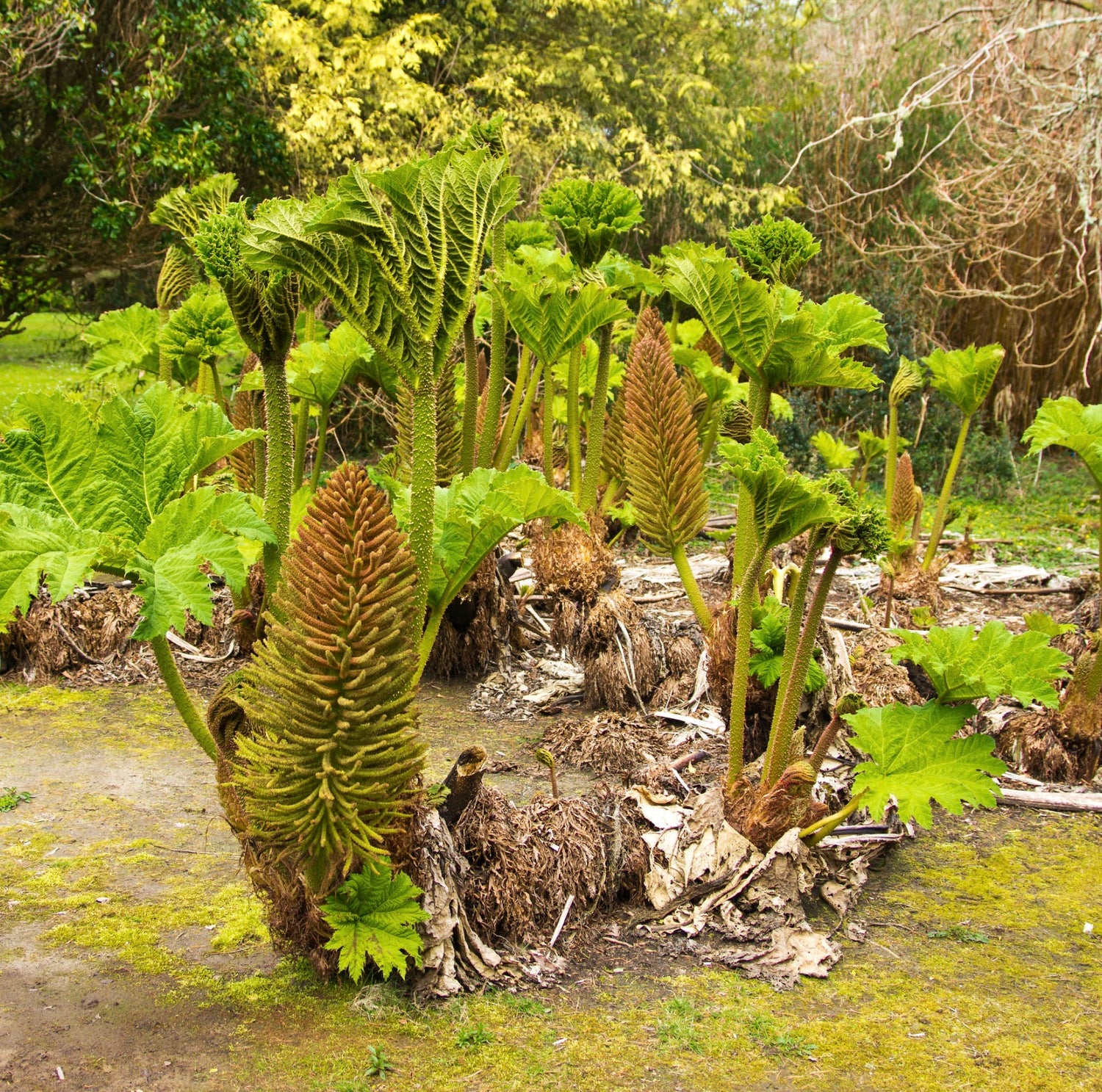
Dragonfruit Trees: Exotic Beauty and Nutrient-Rich Fruits in One Plant
Botanical Profile and Growing Appeal
Dragonfruit trees, scientifically known as Hylocereus, belong to a group of tropical climbing cacti. They exhibit a distinctive growth habit with sprawling, succulent stems and produce large, fragrant flowers that bloom at night. These plants are valued not only for their striking appearance but also for their nutrient-rich fruits, which contain antioxidants, vitamins, and dietary fiber. Common dragon fruit varieties include those with white flesh, red flesh, and yellow skin, each with unique flavor profiles and appearances. Whether cultivated in extensive dragonfruit orchards or grown as compact dwarf dragonfruit trees on balconies, these plants offer a combination of ornamental and edible qualities that appeal to gardeners worldwide.
Environment: Light, Soil, and Climate Needs
Successful cultivation of dragonfruit trees requires full sun exposure, warm temperatures, and well-draining soil that mimics their natural arid habitats. They thrive in Mediterranean and subtropical climates but can adapt to indoor environments when supplied with adequate light. When grown as dragonfruit in pots, they need strong support structures like trellises or stakes to manage their climbing growth. Most species are sensitive to cold and frost; however, some cultivars tolerate brief temperature drops. Choosing a container dragonfruit tree enables growing these plants on patios or in sunrooms, expanding their cultivation possibilities beyond traditional outdoor gardens.
Maintenance and Plant Care
Proper dragonfruit tree care involves moderate, consistent watering, especially during dry spells, while avoiding waterlogged conditions that can cause root rot. Fertilization with phosphorus-rich nutrients during flowering and fruiting stages supports robust development. Pruning in late winter improves air circulation and controls the plant’s size and shape. Regular maintenance promotes healthy foliage and maximizes fruit production. Whether grown indoors or outdoors, dragonfruit trees reward attentive care with abundant blooms and edible harvests.
Key care practices include:
- Providing bright, indirect sunlight or full sun
- Using well-draining, sandy or cactus soil mixes
- Ensuring support for climbing stems
- Watering deeply but infrequently
- Applying balanced fertilizers during growth phases
Pollination, Flowering, and Fruiting
Dragonfruit flowering is notable for its large, white, night-blooming flowers that last only one evening. Pollination is essential for fruit set and may occur naturally via nocturnal pollinators such as moths and bats or through manual methods. After successful pollination, fruits develop over 4 to 6 weeks, providing harvests in summer and fall. Understanding the growth cycle of dragonfruit aids growers in timing pruning and fertilization to enhance flowering and fruit yield.
From Edible Landscaping to Indoor Décor
Besides their edible value, dragonfruit trees enhance landscapes and interiors with their sculptural forms and vibrant fruits. They suit edible landscaping, urban balconies, and indoor tropical plant collections, where their dramatic vertical growth and colorful fruit attract attention. In natural ecosystems, these cacti contribute to biodiversity by providing food for various animals and supporting pollinator populations. Their adaptability and ornamental appeal make them unique subjects for botanical study and cultivation worldwide.