Discocactus Seeds

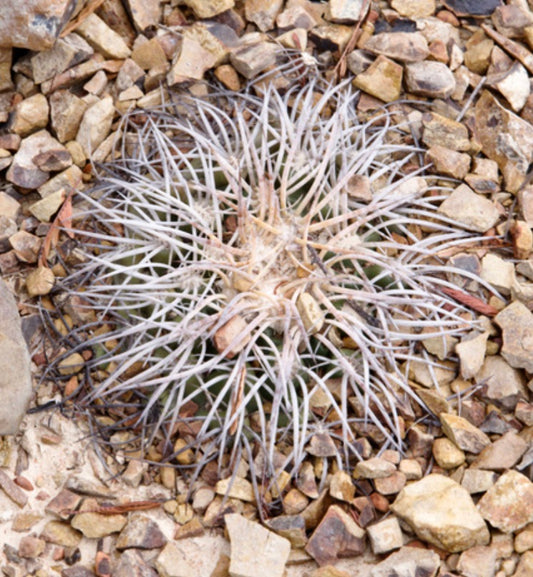
Discocactus Seeds represent the reproductive foundation of a rare Brazilian cactus genus adapted to rocky, mineral-rich habitats. These small, dark seeds develop within fleshy fruits following nocturnal flowering and disperse through animals into shallow soils. When sown on sharply draining substrates with warmth, humidity, and gentle light, they germinate reliably and produce slow-growing seedlings with strong roots and natural variation. Essential for conservation and specialist cultivation, these seeds preserve the refined form, rarity, and ecological specificity that define Discocactus.

Collection: Discocactus Seeds


Discocactus Seeds – Nocturnal legacies of Brazilian cacti

Botanical identity and origin

Discocactus Seeds originate from a distinctive cactus genus within the Cactaceae family, native to eastern and central Brazil, often inhabiting quartz-rich outcrops and rocky grasslands. These seeds are small, dark brown to black, and formed within fleshy fruits that develop after the plant’s characteristic nocturnal flowering. Dispersal is primarily zoochorous, with insects and small animals attracted to the fruits. Germination is closely aligned with warm temperatures and seasonal rainfall, enabling seedlings to establish in mineral soils before dry periods intensify.

Species diversity and ornamental value

The genetic diversity preserved within Discocactus Seeds reflects the refined specialization of the genus. Species such as Discocactus horstii, D. placentiformis, D. heptacanthus, and D. pseudoinsignis produce seedlings that vary subtly in rib number, spine density, and epidermal tone. Seed propagation is essential, as vegetative reproduction is extremely limited. For collectors and conservation programs, seed-grown plants provide the most authentic representation of natural forms, preserving traits shaped by isolated habitats and precise ecological niches.

Cultivation and adaptability

Sowing Discocactus Seeds requires warmth, high humidity, and excellent drainage. Seeds should be placed on fine, mineral-rich substrates and left uncovered or lightly pressed into the surface. Consistent moisture and temperatures between 24–30 °C typically promote germination within two to three weeks. Seedlings benefit from bright but filtered light and careful watering, as early stages are sensitive to desiccation. Plants raised from seed develop stronger root systems and greater long-term stability than grafted specimens.

Poetic synthesis and symbolism

Within Discocactus Seeds lies a narrative of night and precision. Each seed carries the memory of fragrant, moonlit flowers and the patience of slow maturation. Their growth reflects survival through specialization rather than expansion. As symbols, these seeds evoke quiet rarity, reminding us that some of the most refined botanical forms arise from narrow ecological margins and careful timing.

  • Small dark seeds adapted to animal-assisted dispersal

  • Germination synchronized with warm seasonal moisture

  • Slow juvenile growth emphasizing root establishment

  • High morphological fidelity preserved through seed propagation