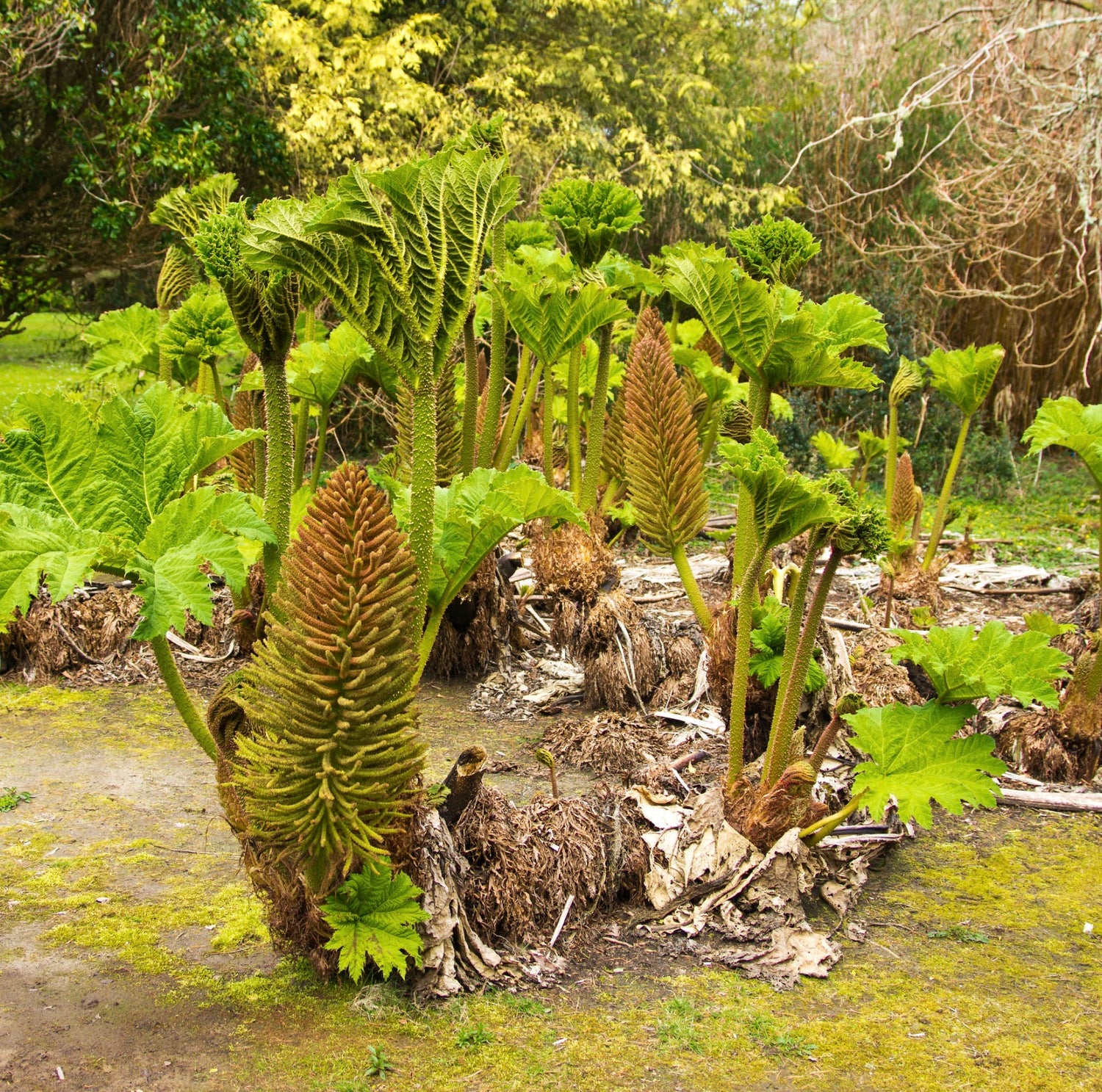
Dioon Seeds: Prehistoric Beauty from Seed to Plant
Dioon seeds represent one of the most ancient lineages of plants still surviving today. These seeds come from the genus Dioon, a group of tropical cycads known for their striking, sculptural appearance and evolutionary history dating back millions of years. Species such as Dioon edule and Dioon spinulosum exemplify the genus's unique morphology, characterized by stiff, pinnate leaves and stout trunks. Native primarily to Mexico and Central America, Dioon plants thrive in well-drained soils within subtropical and tropical forests, often growing in rocky or limestone-rich habitats where they exhibit remarkable adaptations to drought and poor nutrient conditions.
What Are Dioon Seeds
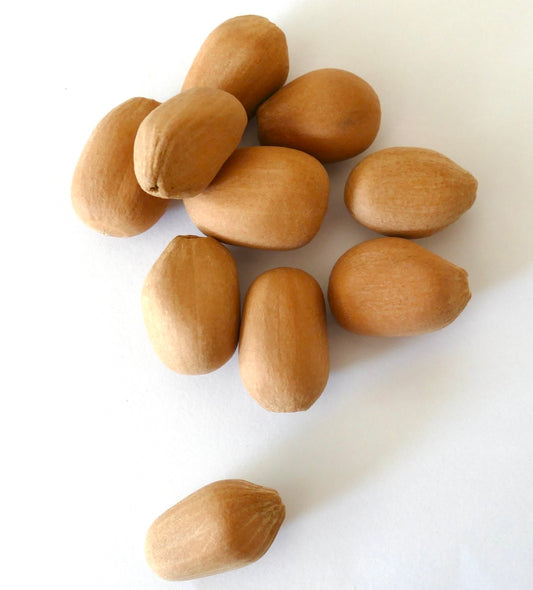
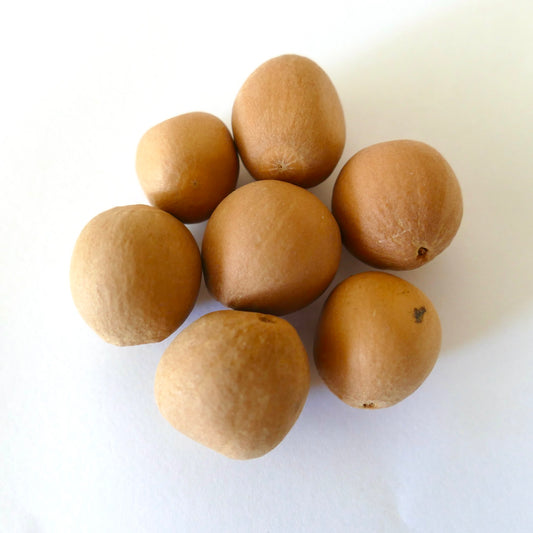
Dioon seeds are large, often brightly colored seeds that develop within female cones, a reproductive feature typical of cycads. These seeds contain the embryo that will grow into a mature plant, continuing a lineage that predates flowering plants by millions of years. The seeds’ tough outer coat protects them in their natural environment, enabling survival through variable climate conditions. Ecologically, Dioon species play a significant role by providing habitat and food for various insects and animals, which assist in seed dispersal and pollination. Furthermore, their slow growth and longevity contribute to stable forest ecosystems.
Why Grow Dioon from Seed
Choosing to grow Dioon from seed offers a unique opportunity for botanical enthusiasts to cultivate a living fossil. While germination is slow, typically requiring several months to over a year, patience results in the development of elegant plants with arching, stiff fronds and a robust, palm-like appearance. These plants adapt well to container culture, making them suitable for bonsai, patio displays, or indoor tropical collections. Due to their resilience and longevity, Dioon plants can live for decades, gradually forming a thick trunk and dense crown. Their adaptability to various light conditions, from filtered shade to partial sun, makes them versatile for different environments.
Germination and Care
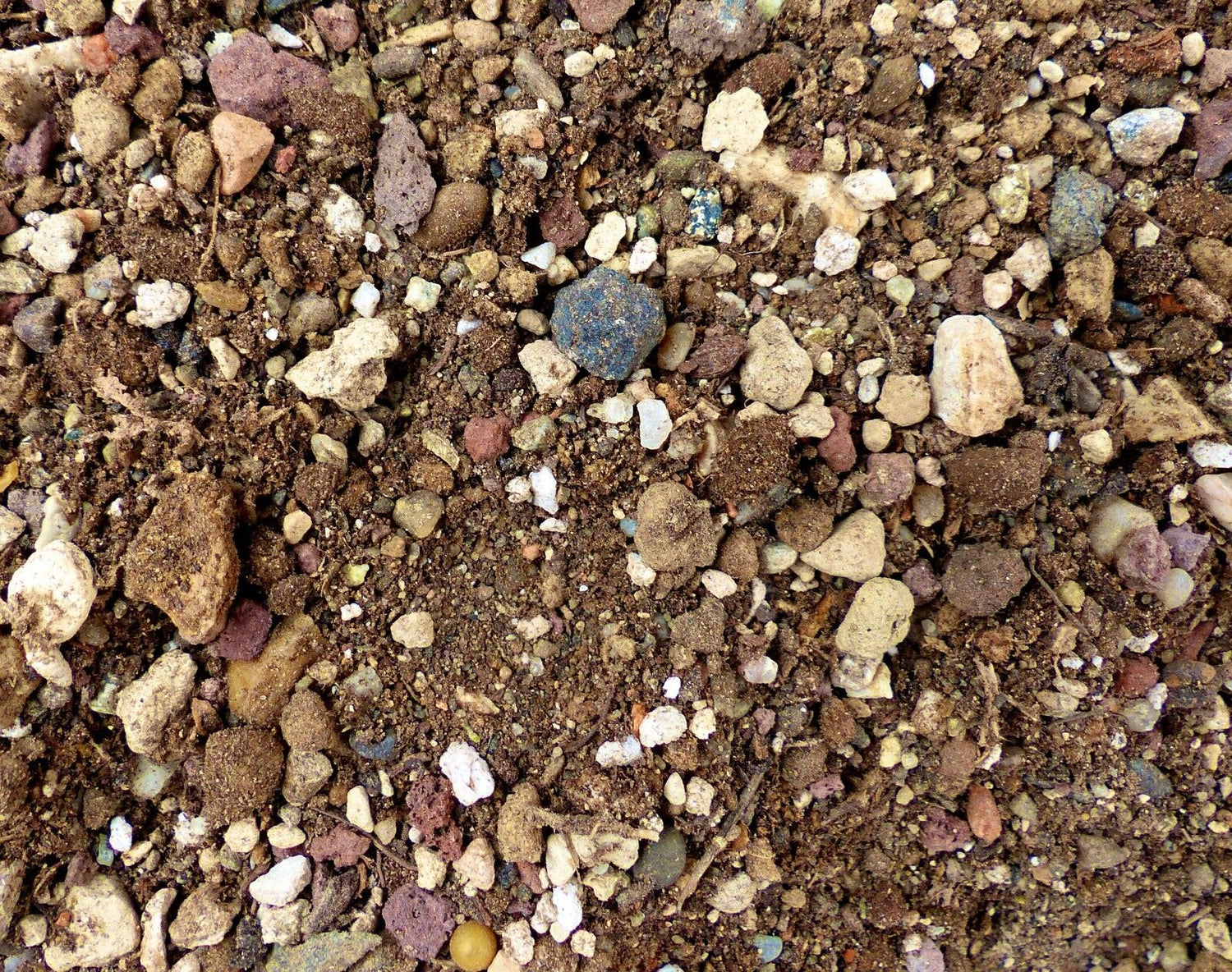
Successful Dioon germination depends on replicating their natural habitat conditions as closely as possible. Use well-draining, sandy or rocky soil mixtures to prevent waterlogging, which these plants do not tolerate. Maintain warm temperatures between 20-30°C (68-86°F) and provide filtered light to mimic understory forest conditions. Regular but moderate watering supports steady growth without promoting root rot. Throughout their slow development, Dioon seeds gradually produce seedlings with characteristic stiff, pinnate leaves. Over time, these seedlings grow into resilient plants valued for their architectural form and historical significance.
In a single paragraph, here are some key care points for Dioon seeds:
- Plant seeds in well-draining soil with a sandy or rocky texture.
- Maintain warm temperatures and avoid cold drafts.
- Provide filtered sunlight or partial shade.
- Water moderately, allowing soil to dry slightly between watering.
- Expect slow germination and growth, requiring patience and consistent care.
Dioon Seeds at Botanical Archive
At Botanical Archive, the Dioon seed collection offers enthusiasts a chance to cultivate these prehistoric cycads. Growing Dioon seeds supports conservation efforts by propagating rare species and preserving genetic diversity. These seeds appeal to bonsai artists, indoor gardeners, and collectors interested in tropical, ancient plants. By nurturing Dioon plants from seed, gardeners contribute to understanding and appreciating one of the oldest surviving plant groups on Earth.


 Sold out
 Sold out