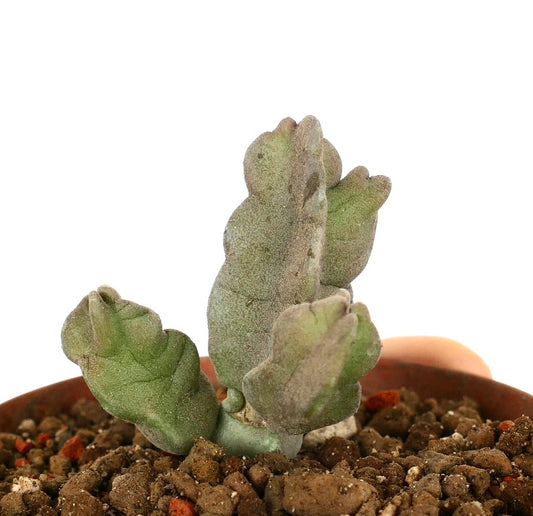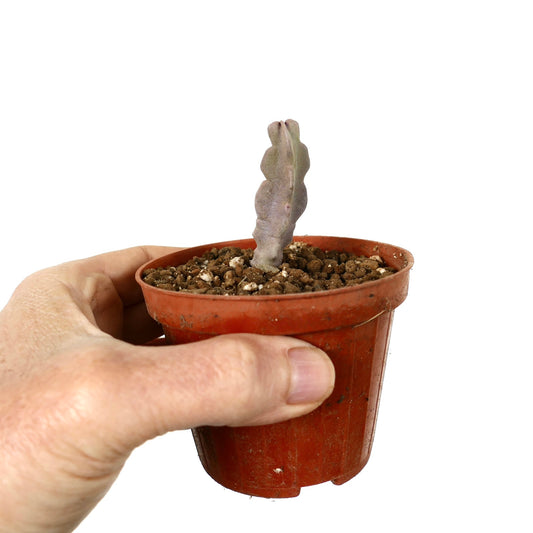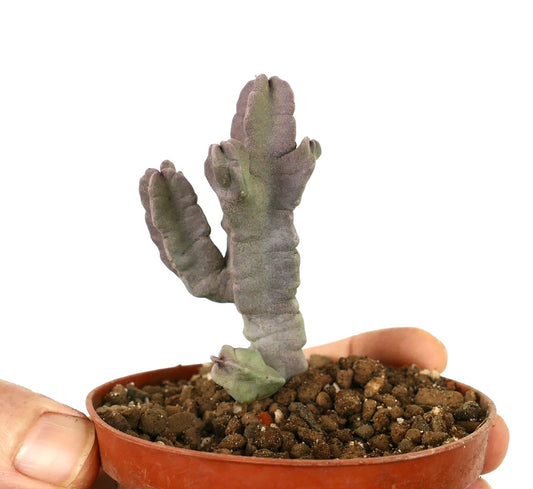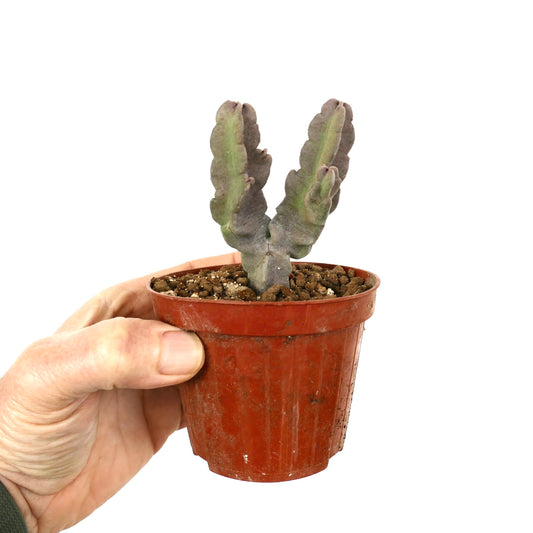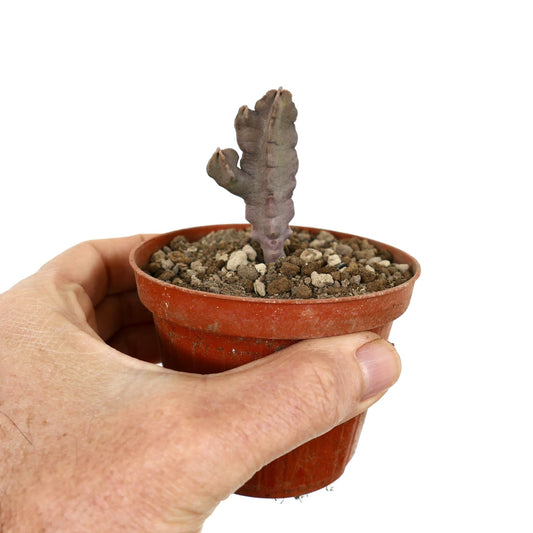
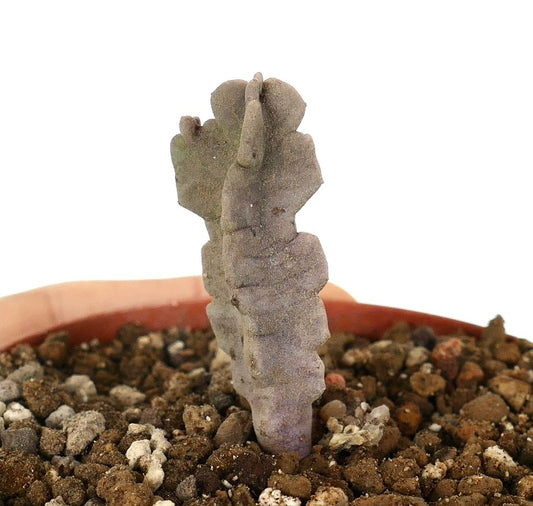
Desmidorchis
The Desmidorchis genus, part of the milkweed family, is admired for its angular succulent stems and unusual blooms often called carrion flowers. Species like retrospiciens, lavrani, acutangula, and foetida thrive in dry habitats, showing remarkable adaptations to water scarcity. Native to regions of Africa and Arabia, these succulents contribute to the richness of arid flora while intriguing collectors with their rare structures. With ties to Asclepiadaceae, they represent a unique fusion of resilience and beauty within the wider world of succulent plants.
-
Sold outDesmidorchis flava
Regular price €12,00 EURRegular priceSale price €12,00 EURSold out -
Caralluma flava (Desmidorchis flava) BRANCHED
Regular price €22,00 EURRegular priceSale price €22,00 EURSold out -
Desmidorchis flava (single stem)
Regular price €12,00 EURRegular priceSale price €12,00 EUR -
Desmidorchis flava BRANCHED (sy. Caralluma flava)
Regular price €25,00 EURRegular priceSale price €25,00 EURSold out -
Desmidorchis flava (Caralluma flava) BRANCHED
Regular price €28,00 EURRegular priceSale price €28,00 EURSold out -
Desmidorchis flava (syn. Caralluma flava) BRANCHED
Regular price €18,00 EURRegular priceSale price €18,00 EURSold out
Collection: Desmidorchis
Desmidorchis: rare succulents with unique botanical charm
Distinctive forms and desert resilience
The genus Desmidorchis belongs to the milkweed family, renowned for its unusual structures and adaptations to arid conditions. Species such as retrospiciens and lavrani develop compact, angular forms with fleshy succulent stems that store water efficiently. This feature allows them to thrive in regions characterized by extreme drought. Their natural resilience makes them fascinating for collectors who appreciate plants adapted to harsh, unforgiving environments.
A closer look at striking flowers
Despite their rugged appearance, Desmidorchis species produce extraordinary blooms. These are often referred to as carrion flowers, a trait they share with other members of the Asclepiadaceae. Species like foetida or acutangula bear star-shaped blossoms that attract specific pollinators. Though unusual, this adaptation highlights the complex ecological roles these plants play in their native habitats, contributing to biodiversity in arid ecosystems.
Botanical diversity across the genus
The genus includes multiple rare species such as somalica and lavrani, each presenting subtle differences in size, growth habit, or flower form. Some cultivars gain attention in specialized references like retrospiciens, which documents their morphology and distribution. With roots in regions of Africa and the Arabian Peninsula, the plants reveal both a scientific interest and ornamental potential for enthusiasts of succulent plants.
Appreciated by collectors worldwide
Because of their rarity and striking structures, Desmidorchis species are prized by collectors of arid flora. Their geometric stems, unusual flowers, and ecological adaptations embody the fascination of desert plants. Enthusiasts often highlight the following qualities:
-
Complex star-shaped flowers with intricate surface textures
-
Thick stems storing water for survival in dry climates
-
Unique role as part of desert biodiversity and ecology
Other Collections in the Archive
-
Specimen Plants
Specimen Plants in our Store Specimen Plants captivate plant enthusiasts with their...
-
Catalogue Plants
Catalogue plants provide a wide variety of options to elevate your garden...
-
Gardening Tools & Soils
Gardening tools – essentials for healthy soils and thriving plants Building a...