Collection: Cremnocereus Seeds
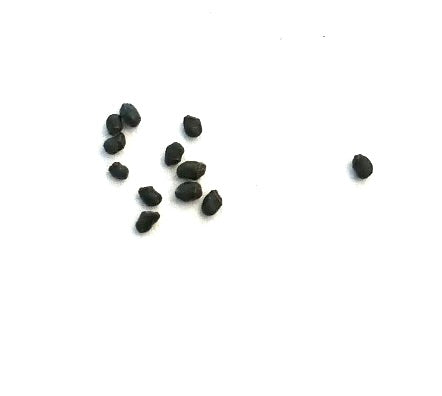
Cremnocereus Seeds – The vertical seedlings of Andean stone
Botanical identity and origin
Emerging from rocky cliff habitat seeds along steep Andean desert escarpments, Cremnocereus Seeds embody adaptations shaped by elevation, heat, and intermittent moisture. The genus develops columnar silhouettes rooted in early high-elevation seed adaptation, where germination aligns with brief humidity pulses. Species such as cremnocereus verticillatus translate arid resilience into compact embryonic forms, while Cremnocereus Seeds as a whole navigate mineral substrates and intense exposure through microstructures optimized for retention and protection.
Species diversity and seedling resonance
Within Cremnocereus, variation is reflected in cremnocereus chrysochlorus, with golden early spination, and cremnocereus albipilosus, noted for pale, delicate coverings on emergent stems. Across these expressions, slow-germinating cactus seeds reveal subtle developmental rhythms, where roots anchor deeply into grit and columnar cactus seedlings establish early axial tendencies. Through fine spine development and shifting epidermal tones, Cremnocereus Seeds articulate a miniature version of the dramatic verticality seen in adult forms across arid mountain faces.
Cultivation and germination adaptability
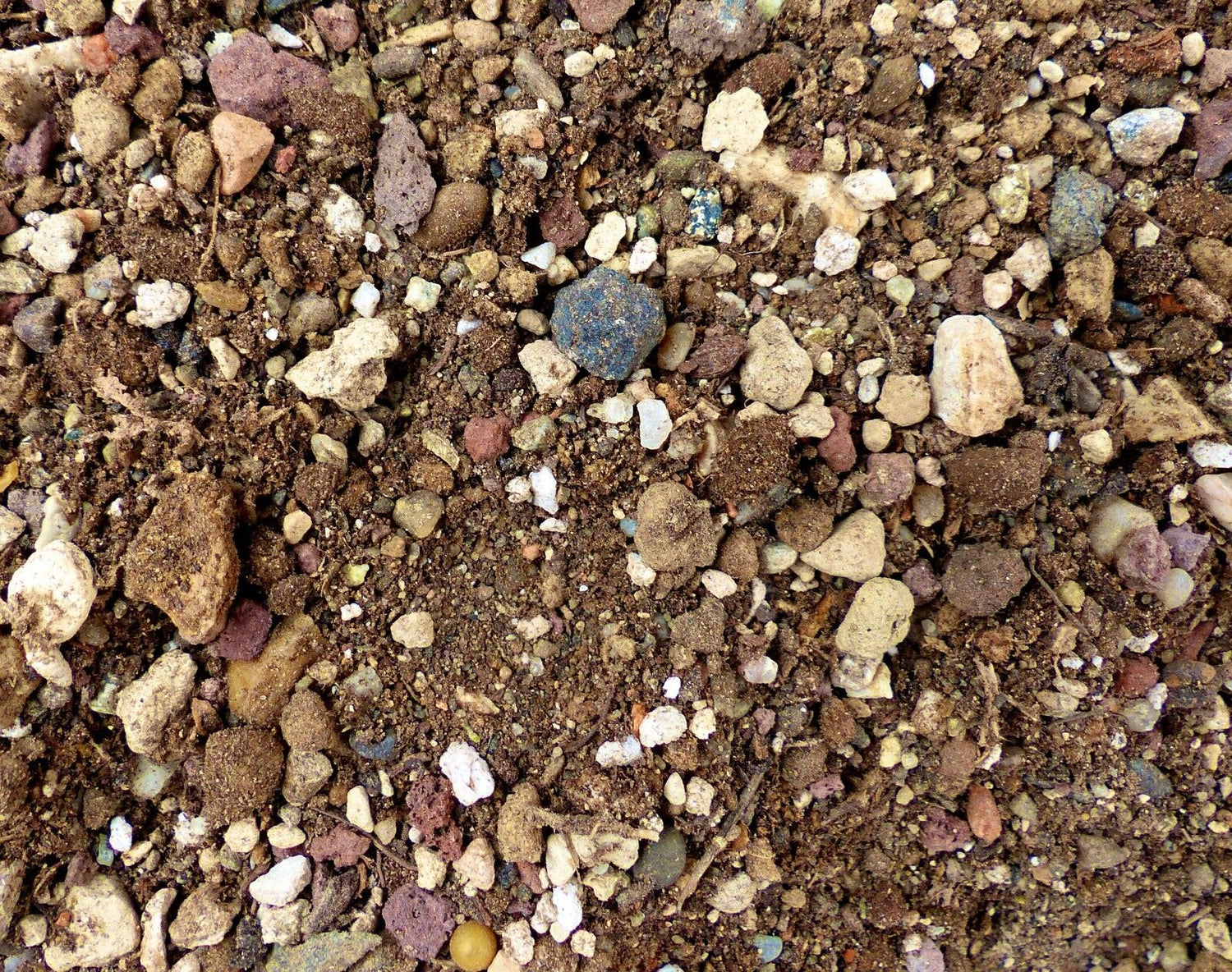
In cultivation, Cremnocereus Seeds require a mineral-soil germination mix, strong light, and irrigation cycles echoing heat-activated germination cycle patterns. Their origin as andes desert cactus seeds informs the need for rapid drying and stable airflow. As seedlings mature, arid-mountain seedling growth forms tapering columns that gain definition with each season.
-
Seeds responding to narrow moisture windows
-
Juvenile stems forming early vertical alignments
-
Spines refining under bright, slanted light
-
Mineral substrates stabilizing root extensions
Symbolic synthesis and aesthetic meaning
Ultimately, Cremnocereus Seeds embody a poetics of ascent, where vertical intention is encoded from germination onward. Through species such as cremnocereus verticillatus and cremnocereus chrysochlorus, the genus reveals how scarcity, altitude, and stone shape botanical structure. In this convergence of precision and endurance, Cremnocereus Seeds stand as emblems of high-desert clarity.