Cotyledon Seeds: Discover the Unique Beauty of Succulent Growth
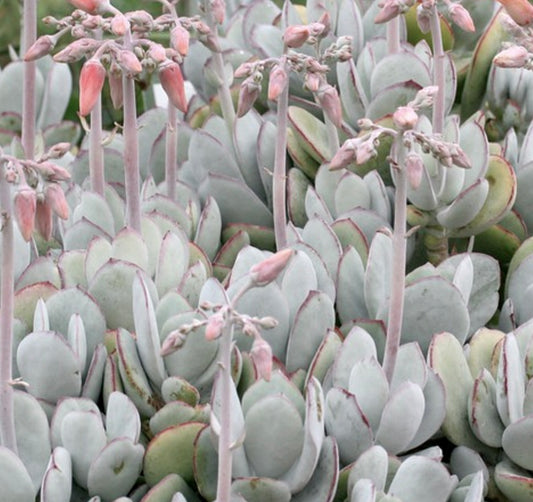
Cotyledon seeds initiate the development of a remarkable genus within the Crassulaceae family, well-known for its succulent characteristics. These seeds produce plants featuring compact, fleshy leaves that exhibit diverse ornamental forms and strong drought tolerance. Native primarily to southern Africa, species such as Cotyledon pendens and Cotyledon orbiculata thrive in arid and semi-arid habitats, adapting to harsh environmental conditions through specialized morphological traits. These adaptations include water-storing leaves and a waxy cuticle that reduces transpiration, enabling survival in nutrient-poor soils and fluctuating climates. Such cotyledon seeds appeal to succulent enthusiasts interested in cultivating plants with unique textures and striking visual appeal, suitable for both indoor collections and xeriscaped gardens.
What Are Cotyledon Seeds?
The term cotyledon seeds refers to the reproductive units of the Cotyledon genus, which germinate into fleshy-leaved succulents adapted to dry environments. These seeds are small but contain sufficient nutrients to support early seedling growth in challenging habitats. Cotyledon plants display a variety of growth forms; for example, Cotyledon pendens develops trailing stems ideal for hanging displays, while Cotyledon orbiculata forms dense, bushy rosettes with rounded, often silvery-green leaves. Ecologically, these species contribute to their native ecosystems by providing nectar and shelter for local pollinators and small fauna, while their succulent nature helps stabilize soil in arid regions. The genus is closely related to other Crassulaceae members, sharing traits that facilitate survival in drought-prone areas.
Growing Cotyledons from Seed
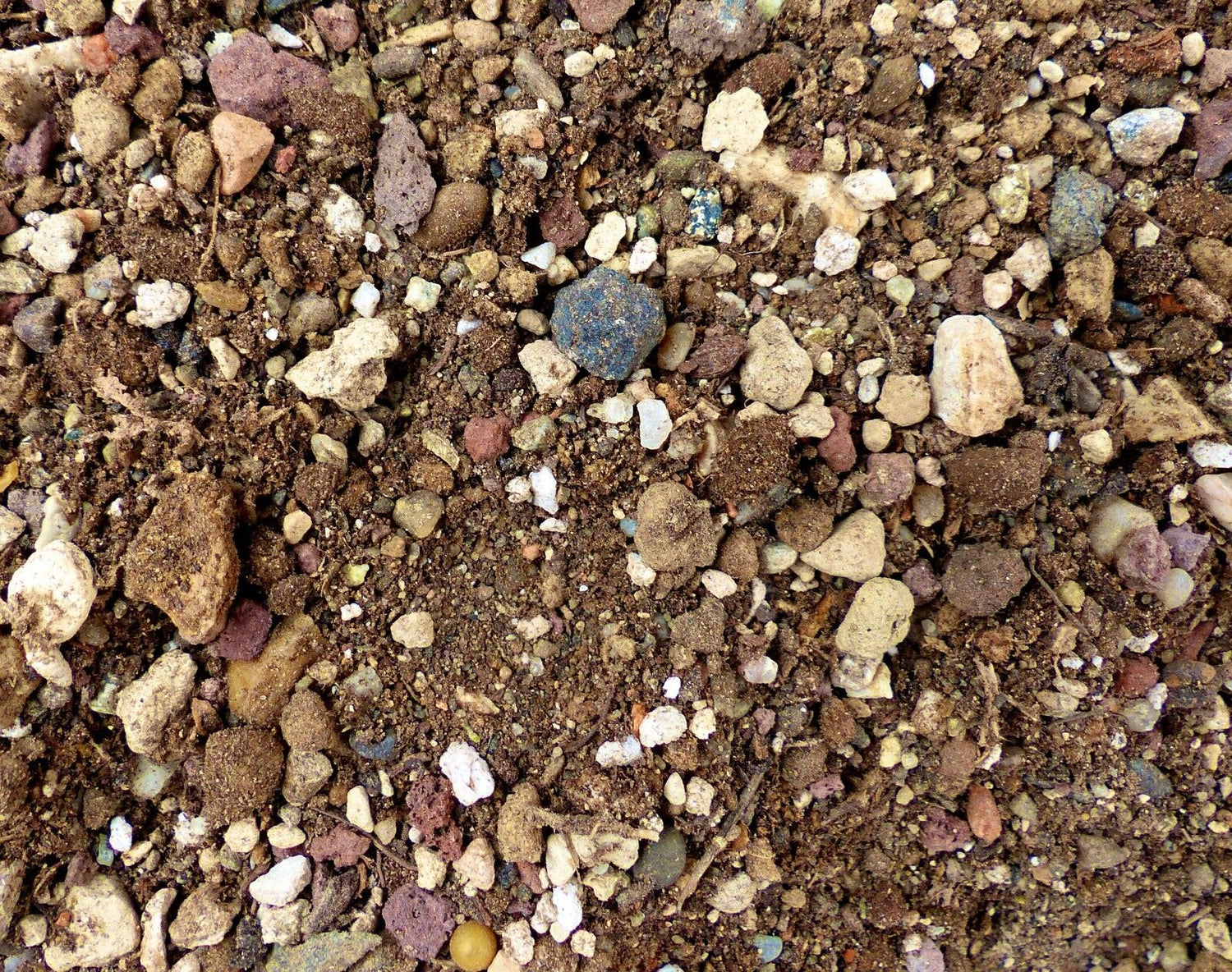
Starting cotyledon seeds requires a well-prepared environment to ensure successful germination and growth. Use a well-draining substrate, typically a mix designed for succulents, to prevent waterlogging and root rot. Place seeds under bright, indirect light to mimic natural conditions, as excessive direct sunlight can desiccate young seedlings. Germination times vary but generally require patience, as seedlings emerge slowly. After sprouting, growth habits diverge: Cotyledon pendens trails gracefully, making it suitable for hanging pots, whereas Cotyledon orbiculata develops a more upright, shrubby form. These succulents adapt well to container cultivation and rock gardens, thriving in microhabitats that simulate their native environments. In a single paragraph, consider these key cultivation aspects:
- Use a gritty, fast-draining soil mix to avoid moisture retention.
- Maintain moderate temperatures between 18-24°C for optimal growth.
- Water sparingly, allowing soil to dry between watering to mimic natural rainfall patterns.
- Provide good air circulation to prevent fungal diseases.
- Use filtered light or partial shade during the hottest part of the day.
Care Tips for Healthy Succulents
Ensuring vigorous growth of Cotyledon plants involves understanding their ecological adaptations and mimicking native conditions. These resilient succulents require minimal watering, as their fleshy leaves store water effectively. Excessive moisture leads to root rot, so watering should be infrequent and carefully timed. They prefer strong, indirect sunlight; however, some species tolerate partial shade, especially in hotter climates. Good airflow reduces the risk of fungal infections and supports healthy transpiration. Fertilize sparingly using slow-release fertilizers formulated for succulents to promote steady growth without encouraging excessive leaf softness. Whether cultivating lewisia cotyledon, cotyledon orbiculata, or hybrid varieties, monitoring temperature and light exposure is crucial for maintaining vibrant foliage and robust development throughout the year.
Why Choose Botanical Archive for Your Cotyledon Seeds?
Botanical Archive provides carefully sourced, high-quality cotyledon seeds that support successful cultivation of these drought-resistant plants. Originating from Naples, our seeds are selected to ensure genetic diversity and vitality, catering to enthusiasts and researchers alike. With a focus on sustainable collection and distribution, our seeds enable gardeners to explore succulent diversity while promoting conservation of native flora. Growing Cotyledon from seeds allows observation of fascinating developmental stages and contributes to the preservation of unique succulent species. Thus, Botanical Archive serves as a reliable source for those interested in expanding their botanical collections with scientifically significant and ecologically adapted succulents.