
Copiapoa solaris
-

 Sold out
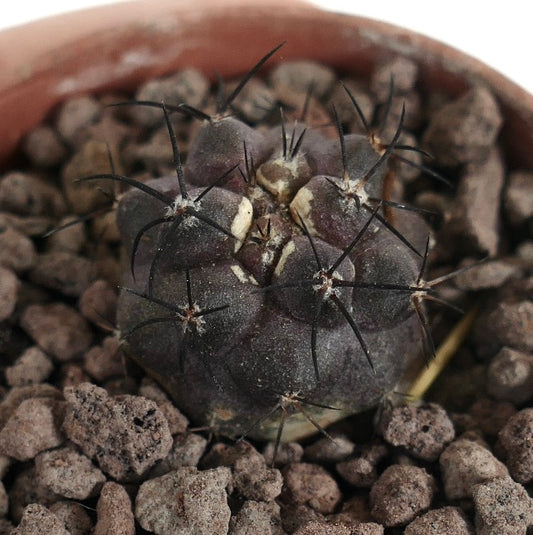
Copiapoa griseoviolacea SELECTED
Regular price €30,00 EURRegular price -

 Sold out
Copiapoa griseoviolacea
Regular price €38,00 EURRegular price -

 Sold out
Copiapoa griseoviolacea
Regular price €35,00 EURRegular price -
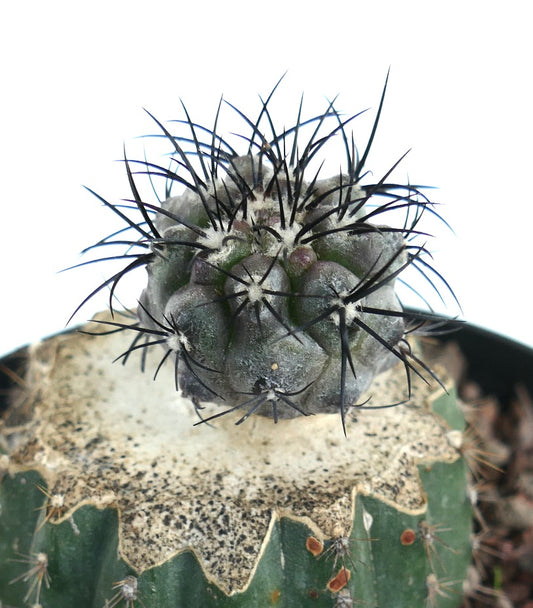
Copiapoa griseoviolacea GRAFTED 45TA
Regular price €85,00 EURRegular price€140,00 EURSale price €85,00 EURSale -

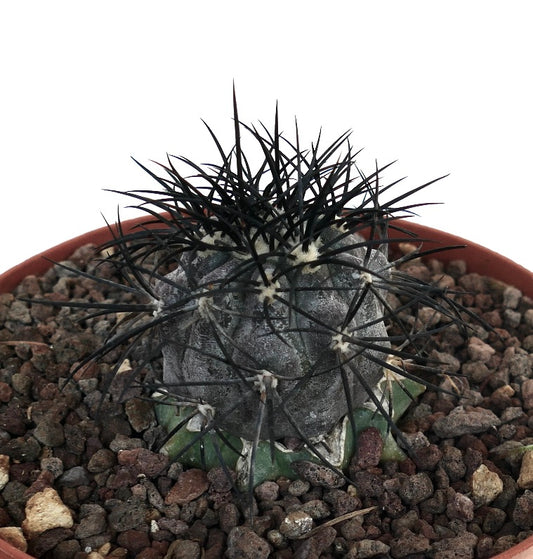 Sold out
Copiapoa griseoviolacea GRAFTED T10
Regular price €62,00 EURRegular price€120,00 EURSale price €62,00 EURSold out -
Copiapoa griseoviolacea SELECTED GRAFTED
Regular price €65,00 EURRegular price€130,00 EURSale price €65,00 EURSold out -
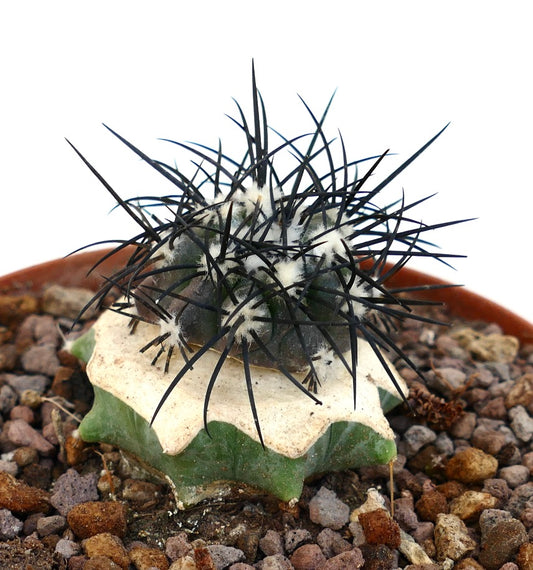
Copiapoa griseoviolacea GRAFTED BLACK SPINES
Regular price €38,00 EURRegular price€80,00 EURSale price €38,00 EURSale -
Copiapoa griseoviolacea VERY SPINY & GRAY
Regular price €80,00 EURRegular price -
Copiapoa griseoviolacea GRAFTED SELECTED
Regular price €80,00 EURRegular price -
Copiapoa griseoviolacea GRAFTED
Regular price €75,00 EURRegular price€150,00 EURSale price €75,00 EURSale -
Copiapoa griseoviolacea GRAFTED FLOWERING SIZE
Regular price €70,00 EURRegular price€140,00 EURSale price €70,00 EURSold out -

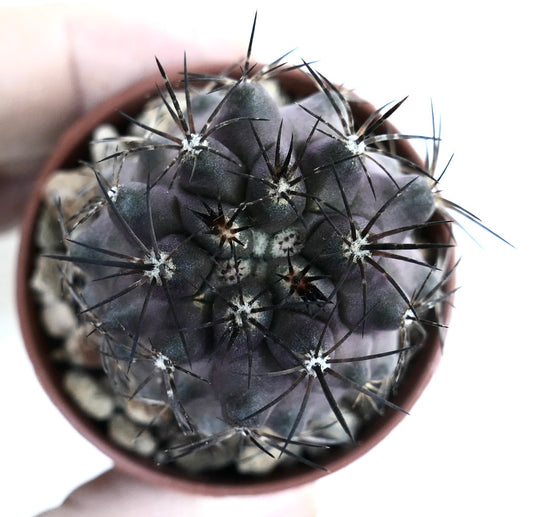 Sold out
Copiapoa griseoviolacea B14
Regular price €15,00 EURRegular price -

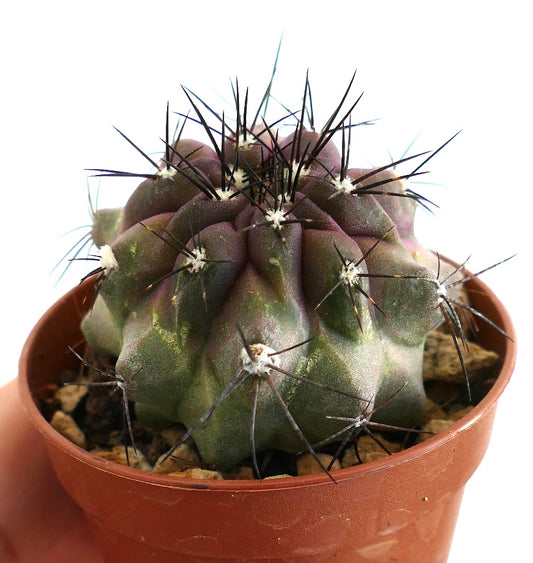 Sold out
Copiapoa griseoviolacea BBY78
Regular price €18,00 EURRegular price -
Copiapoa griseoviolacea SELECTED own roots VRD
Regular price €85,00 EURRegular price -
Copiapoa griseoviolacea BIG SIZE GRAFTED
Regular price €80,00 EURRegular price -
Copiapoa griseoviolacea SLECTED STRONG SPINES GRAFTED
Regular price €75,00 EURRegular price -
Copiapoa griseoviolacea NICE SELECTED GRAFTED
Regular price €75,00 EURRegular price -

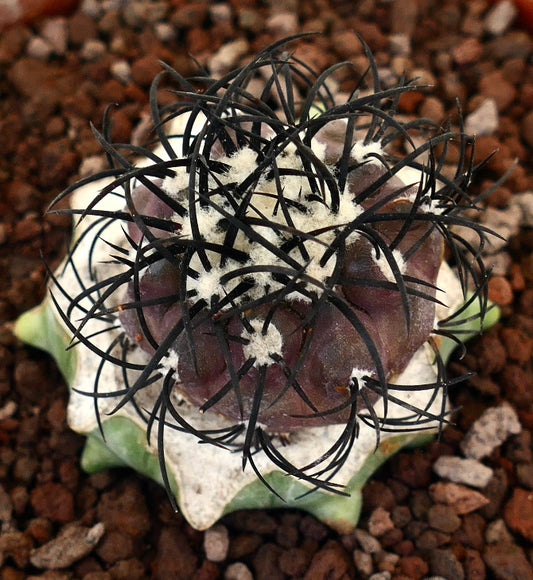 Sold out
Copiapoa griseoviolacea 7AP2 GRAFTED
Regular price €65,00 EURRegular price -
Copiapoa griseoviolacea STRONG SPINES GRAFTED
Regular price €75,00 EURRegular price -
Copiapoa griseoviolacea (very small seedling)
Regular price €11,00 EURRegular price -
Copiapoa griseoviolacea (small seedling)
Regular price €15,00 EURRegular price -

 Sold out
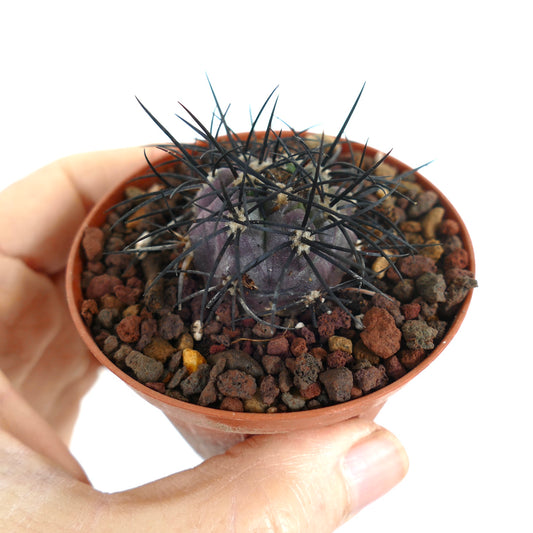
Copiapoa griseoviolacea (UNGRAFTED)
Regular price €35,00 EURRegular price -
Copiapoa griseoviolacea
Regular price €70,00 EURRegular price -
Copiapoa griseoviolacea
Regular price €75,00 EURRegular price













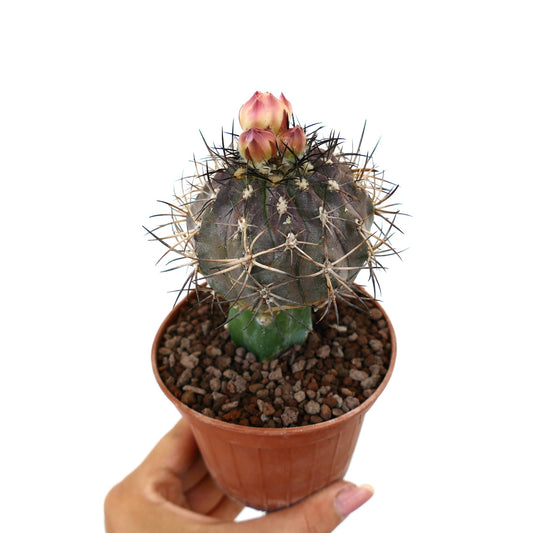



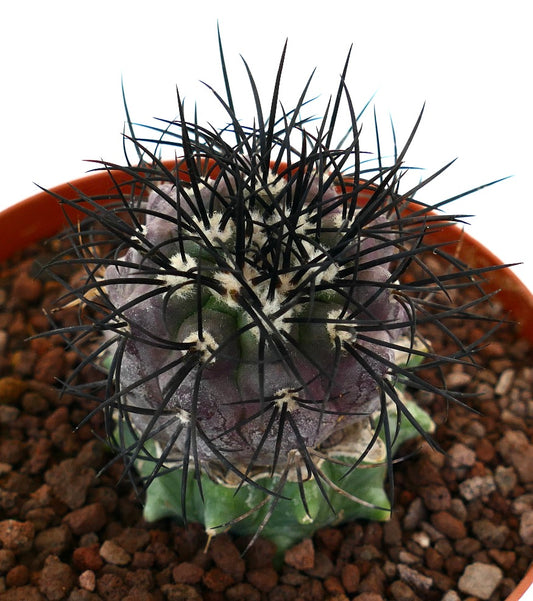


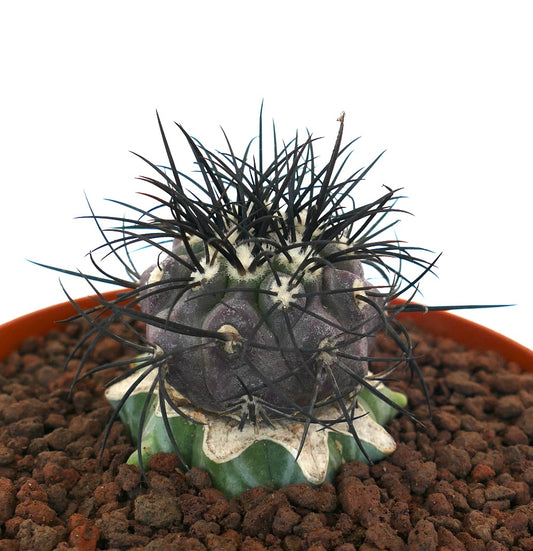

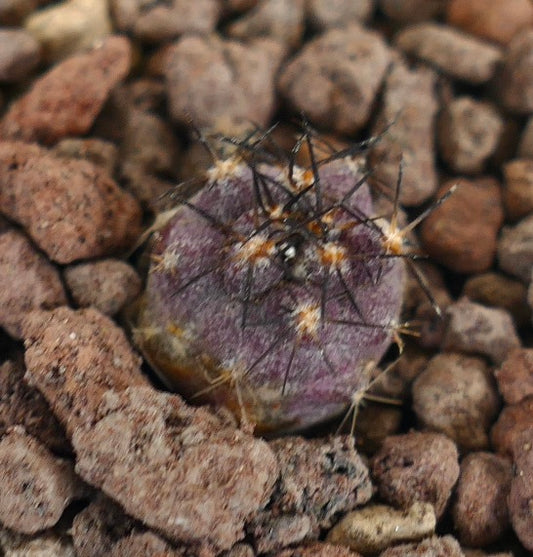




Other Collections in the Archive
-

Specimen Plants
Specimen Plants in our Store Specimen Plants captivate plant enthusiasts with their...
-
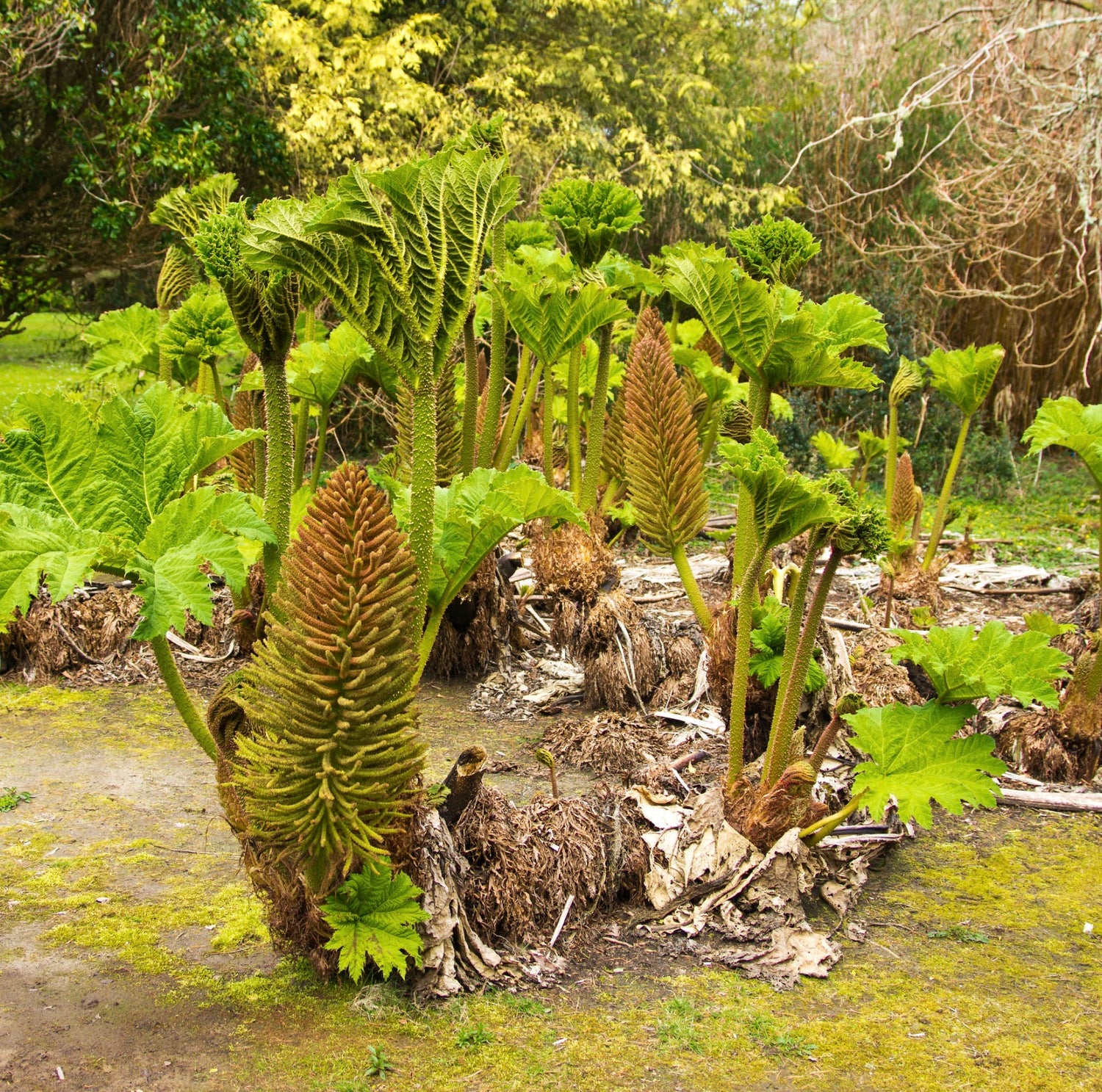
Catalogue Plants
Catalogue plants provide a wide variety of options to elevate your garden...
-

Gardening Tools & Soils
Gardening tools – essentials for healthy soils and thriving plants Building a...


