Copiapoa fiedleriana

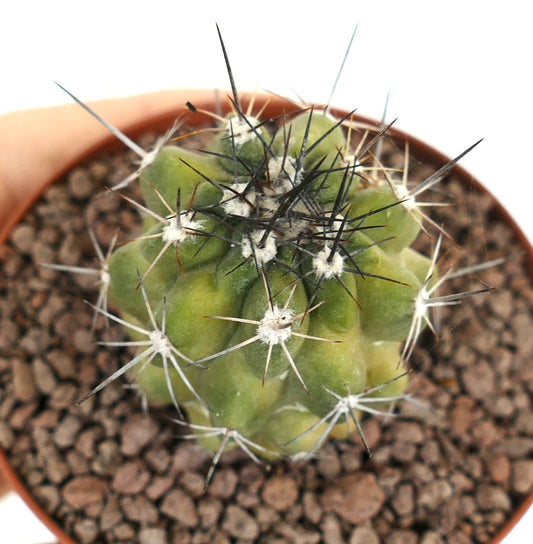
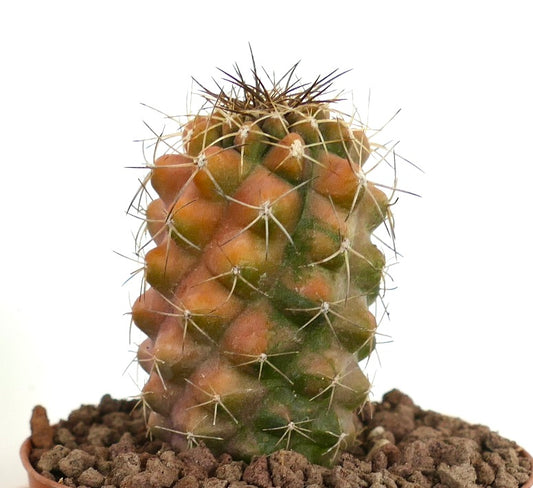
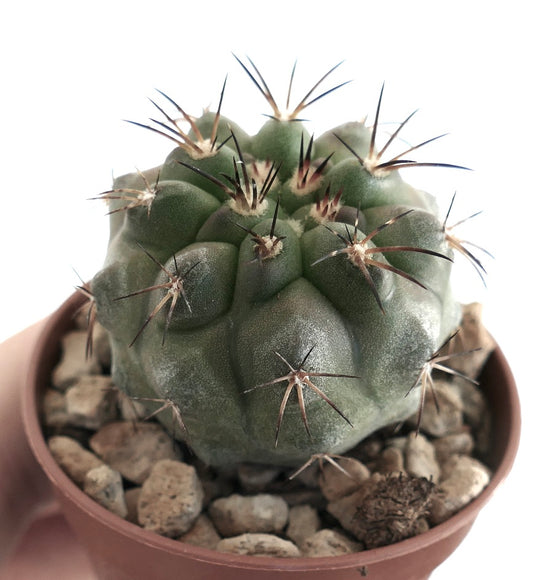
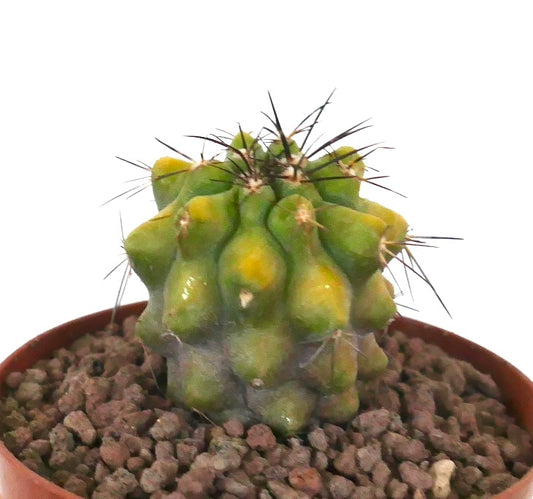
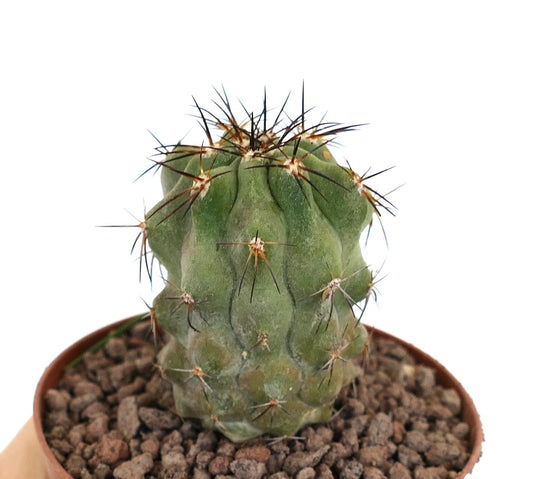
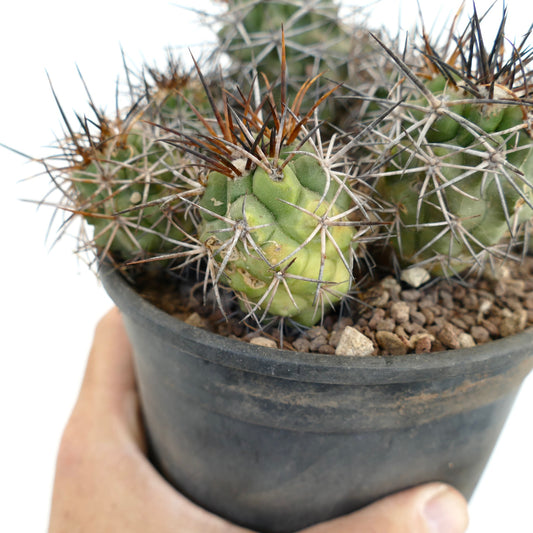
Copiapoa fiedleriana is a rare Chilean cactus with a rounded form, ribbed body, and powdery matte surface. It grows slowly, requires full sun and mineral soil, and thrives in dry, rocky environments. Ideal for deep pots and collectors of arid-adapted plants, it stands out for its structure and resilience. A unique specimen with defined ribs and dense spines, reflecting botanical adaptation to the Atacama’s extreme climate. Perfect for serious collectors of desert flora.

Collection: Copiapoa fiedleriana

Copiapoa fiedleriana: A Rare Desert Sculptural Form

What Is Copiapoa fiedleriana?

Copiapoa fiedleriana is a compact and rare cactus species native to the arid regions of northern Chile. It features a rounded, slightly flattened body with distinct ribbed structure and prominent spines. Its coloration ranges from olive-green to grey, often coated with a powdery, matte surface that helps it survive intense desert sunlight. This cactus is notable for its highly specific adaptation to arid altitude zones and its solitary, symmetrical form.

Cultivation and Environmental Needs

Thriving in rocky, well-drained mineral soils, Copiapoa fiedleriana cactus requires full sun exposure and minimal watering. It benefits from deep pots to accommodate its root system, and prefers high ventilation and low humidity. Its slow-growing nature makes it an ideal long-term specimen for dry climate gardens or indoor desert setups that replicate its native Chilean habitat.

Botanical Features and Growth

With its compact body, sharply defined ribs, and dense spines, Copiapoa fiedleriana stands out as a structurally rich species. It does not form clumps, instead remaining solitary and upright. Its unique morphology, color, and surface texture make it visually distinct from other Copiapoa species. Each plant displays a quiet, enduring beauty that tells the story of botanical survival in extreme conditions.

For Discerning Collectors of Arid Flora

Copiapoa fiedleriana is not commonly encountered, making it a valued addition to advanced cactus collections. It reflects both botanical precision and visual restraint, aligning perfectly with collectors who appreciate minimalism and structure in desert-adapted species. Its rarity and sculptural qualities contribute to its reputation as a collector’s cactus.