Copiapoa dura: A Rugged Beauty from the Chilean Desert
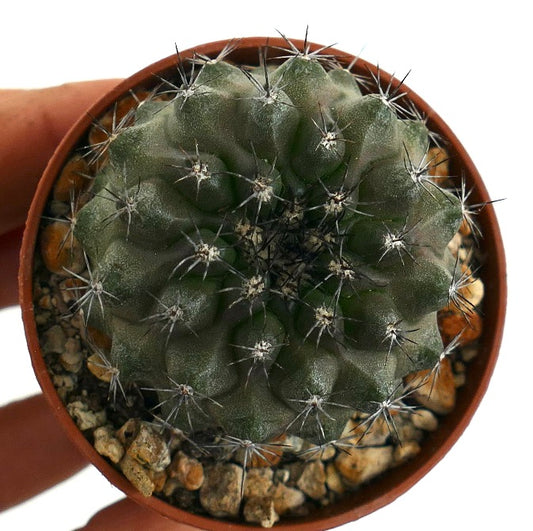
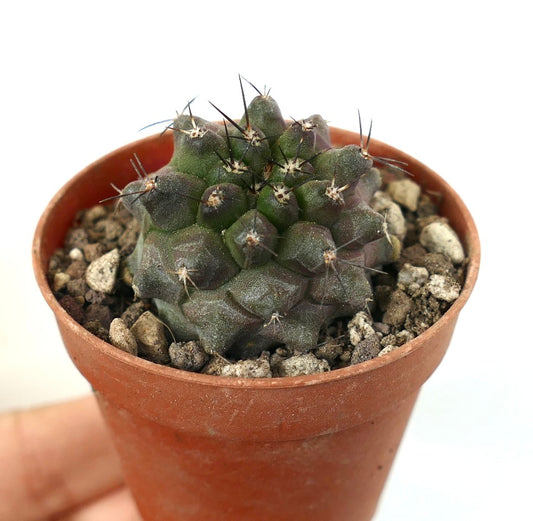
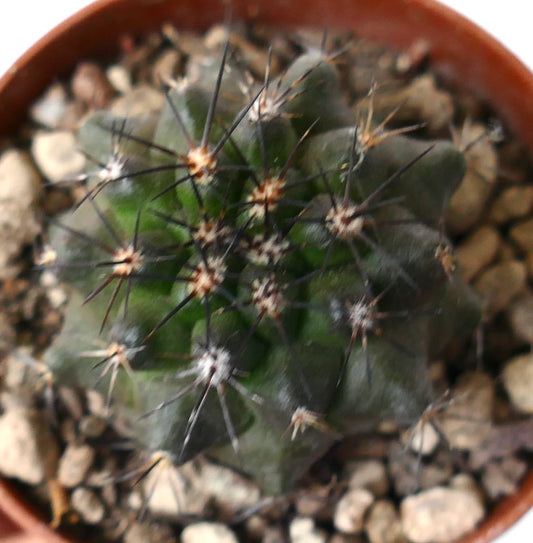
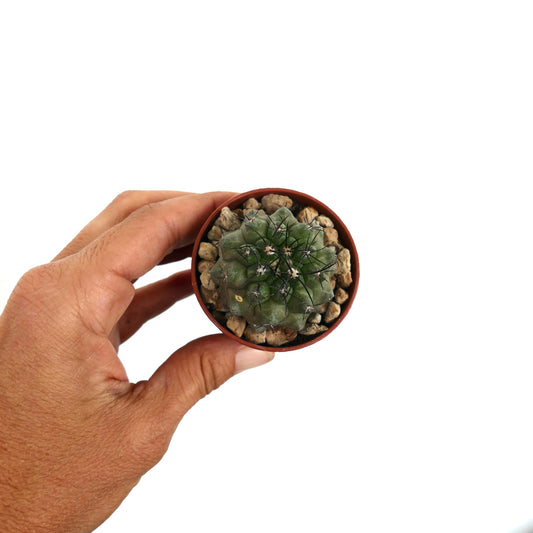
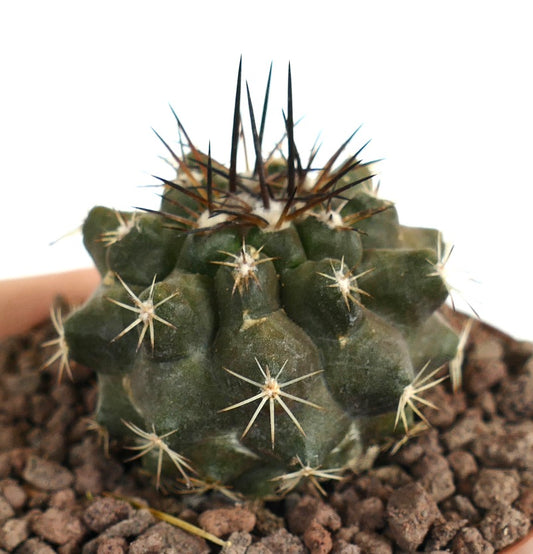
Copiapoa dura is a distinctive and rare cactus species native to the arid coastal deserts of northern Chile. This compact plant features a tough, ribbed structure with a hard, durable epidermis that gives it its name. Adapted to extreme desert conditions, Copiapoa dura exhibits a geometric form and dense spination that contribute to its rugged charm. Its grey-green coloration and symmetrical growth pattern make it easily recognizable among desert flora.
What Is Copiapoa dura?
Belonging to the genus Copiapoa, this species thrives in the harsh environments of the Atacama Desert, one of the driest places on Earth. It grows on rocky slopes and sandy soils where water is scarce, demonstrating remarkable drought tolerance through its thick epidermis and water-storing tissues. The cactus's ribs expand and contract to manage water storage efficiently. Additionally, its spines protect it from herbivores and reduce water loss by shading the surface.
How to Grow and Care for Copiapoa dura
Growing Copiapoa dura requires replicating its natural desert habitat. It prefers full sun exposure and mineral-rich, well-draining soil, such as sandy or rocky substrates. Watering should be very limited, especially during winter, to prevent root rot. This species tolerates high temperatures and low humidity but is sensitive to frost. Because of its slow growth and compact form, it suits cultivation in deep clay pots or rock gardens that mimic its native terrain. Indoor environments with dry air and ample light are also suitable.
Plants benefit from occasional feeding with a low-nitrogen fertilizer during the growing season. Propagation occurs mainly through seeds or offsets, although growth from seed can be slow. Maintaining good air circulation helps prevent fungal diseases common in more humid conditions.
A Collector's Choice
Copiapoa dura is prized by cactus enthusiasts, especially those focusing on South American desert species. Its rarity and unique morphology make it a valuable addition to collections. It pairs well with other Copiapoa species such as Copiapoa cinerea and Copiapoa serpentisulcata, which share similar ecological niches. These species collectively illustrate adaptations to extreme aridity, including water conservation and protective spination.
Collectors appreciate the structural diversity within the genus, where Copiapoa dura stands out for its hard epidermis and dense ribs. Its ecological role in its native habitat includes stabilizing soil and providing microhabitats for desert fauna, highlighting its importance beyond ornamental value.
Buy Copiapoa dura at Botanical Archive
Botanical Archive offers Copiapoa dura specimens cultivated under expert care to ensure botanical authenticity. These plants come from nurseries specializing in desert flora, guaranteeing healthy growth and preservation of natural traits. Choosing Copiapoa dura enriches any desert plant collection with a species that exemplifies resilience and adaptation.
Key features of Copiapoa dura include:
- Hard, ribbed epidermis adapted for water storage and protection
- Native to the arid Atacama Desert with extreme drought tolerance
- Slow growth suited for pot cultivation and rock gardens
- Distinctive grey-green coloration and symmetrical form
- Ecological role in soil stabilization and desert biodiversity


 Sold out
 Sold out
 Sold out