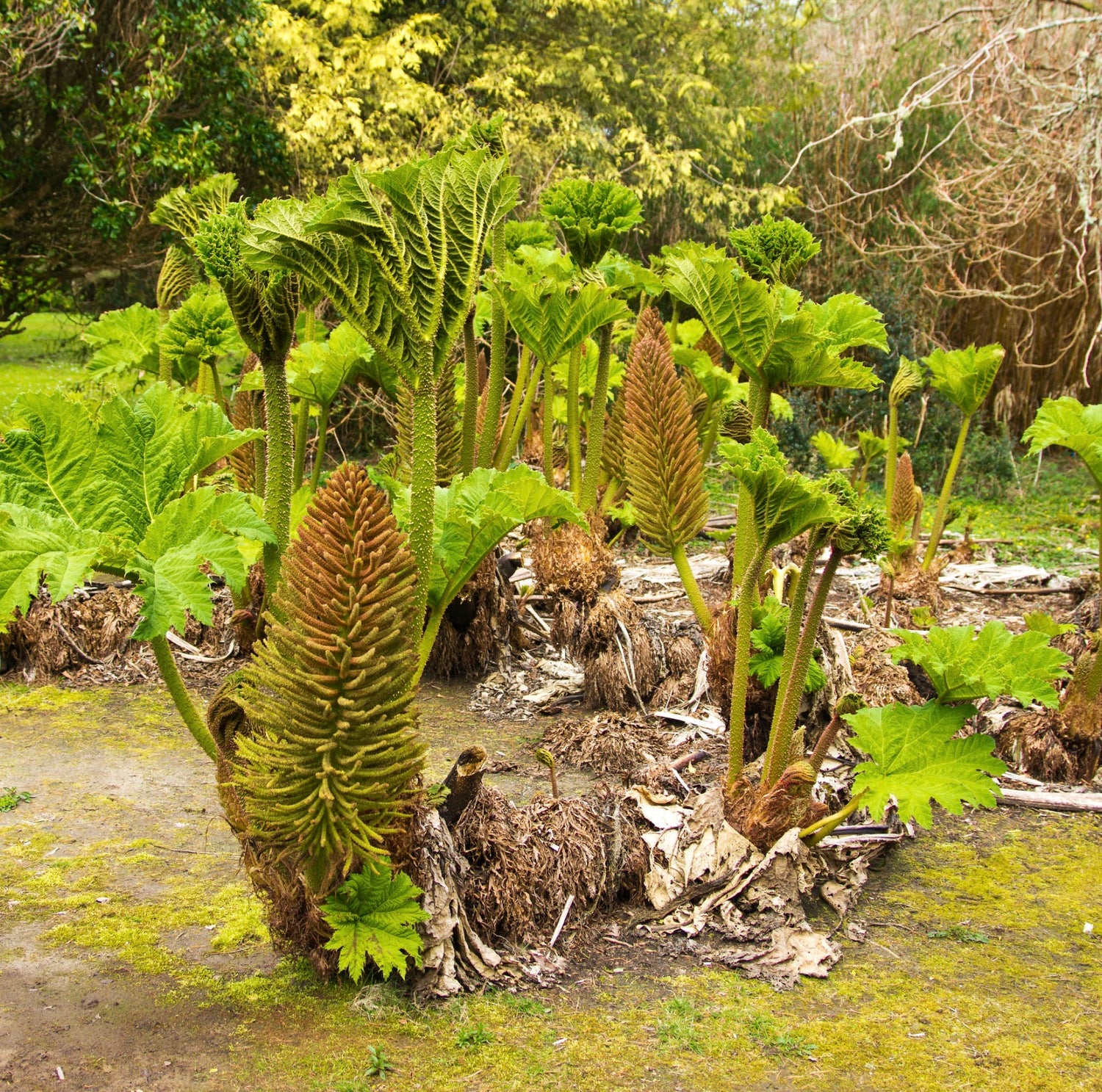
Collection: Copiapoa coquimbana
Copiapoa coquimbana: A Rare Chilean Cactus from the Coastal Desert
Botanical Profile and Regional Origin
Copiapoa coquimbana is a distinctive species in the Copiapoa genus, endemic to the Coquimbo region of northern Chile. Growing in coastal desert zones with rocky terrain and high solar exposure, it exemplifies the resilience of Chilean cactus under extreme conditions. Its compact, ribbed cactus body with black spines and woolly areoles provides excellent adaptation to the dry climate. Among rare cactus species, this is a favorite for collectors seeking plants native to arid zones.
Growth and Cultivation Requirements
As a sun-loving cactus, Copiapoa coquimbana requires well-draining, mineral-based soil and full sunlight. Minimal watering is essential: only when the soil is fully dry. Its slow growth and compact root system make it ideal for pots or structured rock gardens. Like many succulent cactus, it prefers low humidity and high airflow. In cultivation, it’s appreciated for its toughness and capacity to thrive with minimal care under the right environmental setup.
Visual Appeal and Landscape Use
Copiapoa coquimbana stands out with its dark spines and geometric form. It creates a sculptural effect in dry gardens and xeriscapes, where its shape and symmetry contribute to copiapoa visual form compositions. It pairs well with stones, gravel, and other arid zone succulents, adding both contrast and texture. Occasionally, it may produce subtle yellow blooms—the copiapoa flower—as a sign of a well-balanced habitat.
Ecological and Collectors’ Relevance
As a desert cactus from a specific bioregion, Copiapoa coquimbiana contributes to the botanical diversity of Chile's dry zones. It is part of the copiapoa distribution in coastal environments, where its ecological role includes soil stabilization and microhabitat support. In collections, it’s a signature species—compact, sculptural, and emblematic of coquimbo cactus heritage.