
Copiapoa cinerea
-

 Sold out
Copiapoa cinerea TALTAL
Regular price €38,00 EURRegular price -
Copiapoa cinerea BROWN SPINES
Regular price €36,00 EURRegular price -
Copiapoa cinerea form brevispina
Regular price €32,00 EURRegular price -
Copiapoa cinerea form brevispina + Copiapoa serpentisulcata
Regular price €28,00 EURRegular price -

 Sold out
Copiapoa cinerea var. unguispina
Regular price €80,00 EURRegular price -
Copiapoa cinerea GRAFTED GRAY BODY & BLACK SPINES
Regular price €75,00 EURRegular price€150,00 EURSale price €75,00 EURSale -
Copiapoa cinerea SELECTED GRAFTED
Regular price €85,00 EURRegular price€170,00 EURSale price €85,00 EURSale -
Copiapoa cinerea var. albispina GRAFTED
Regular price €45,00 EURRegular price -
Copiapoa cinerea TALTAL GRAFTED
Regular price €70,00 EURRegular price€140,00 EURSale price €70,00 EURSale -
Copiapoa cinerea BROWN SPINES & GRAY BODY NPQ
Regular price €16,00 EURRegular price -
Copiapoa cinerea var dealbata GRAY FORM IB6
Regular price €18,00 EURRegular price -
Copiapoa cinerea SELECTED SEEDLING 8XT
Regular price €22,00 EURRegular price -
Copiapoa cinerea var. dealbata CRESTED (GRAFTED)
Regular price €2.500,00 EURRegular price -

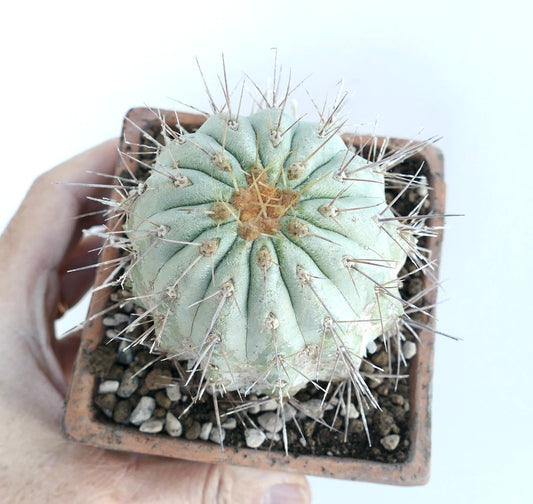 Sold out
Copiapoa cinerea var. gigantea
Regular price €120,00 EURRegular price -

 Sold out
Copiapoa cinerea BON3
Regular price €28,00 EURRegular price -

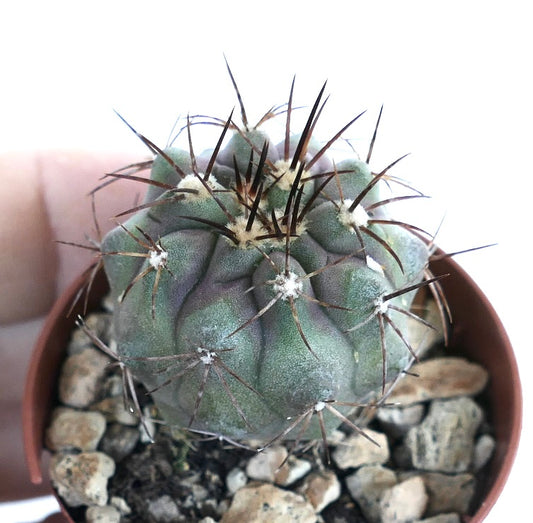 Sold out
Copiapoa cinerea BROWN SPINES
Regular price €22,00 EURRegular price -

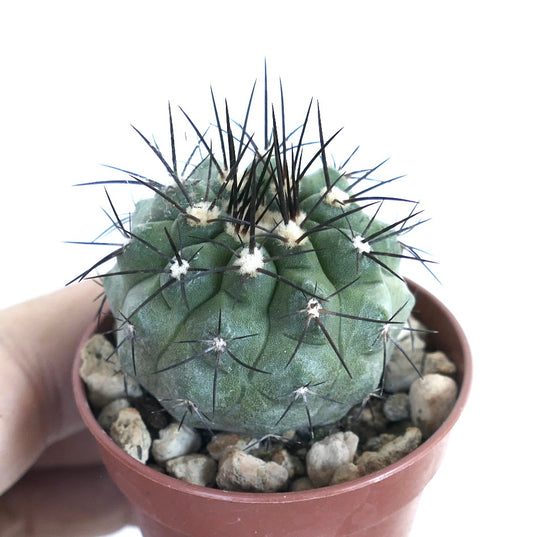 Sold out
Copiapoa cinerea C310-G839
Regular price €16,00 EURRegular price -

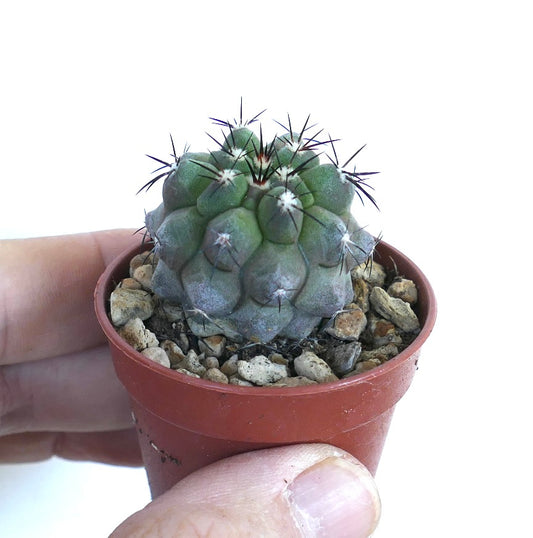 Sold out
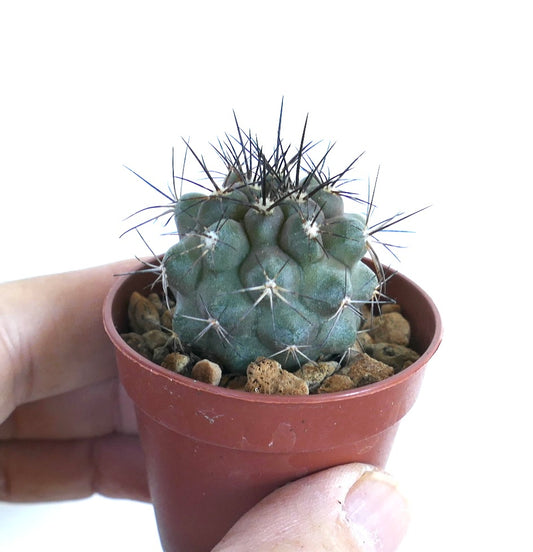
Copiapoa cinerea
Regular price €14,00 EURRegular price -

 Sold out
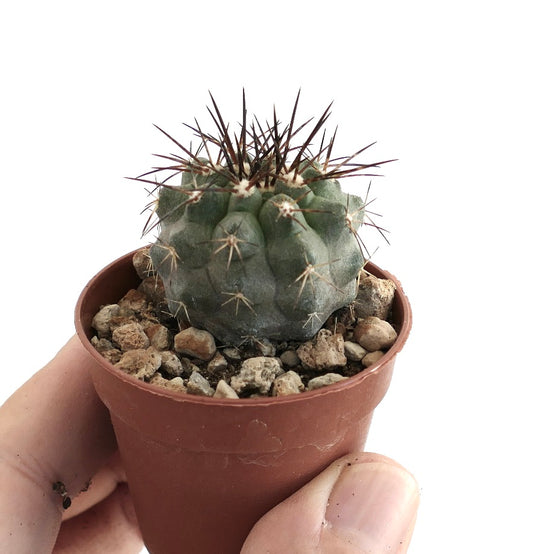
Copiapoa cinerea var. dealbata
Regular price €15,00 EURRegular price -

 Sold out
Copiapoa cinerea var. dealbata LM35
Regular price €19,00 EURRegular price -

 Sold out
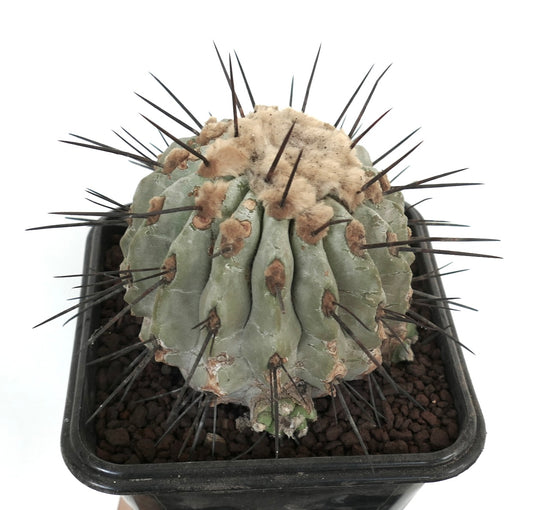
Copiapoa cinerea GREY TP44
Regular price €22,00 EURRegular price -

 Sold out
Copiapoa cinerea var dealbata
Regular price €220,00 EURRegular price -
Copiapoa cinerea (TALTAL)
Regular price €280,00 EURRegular price -
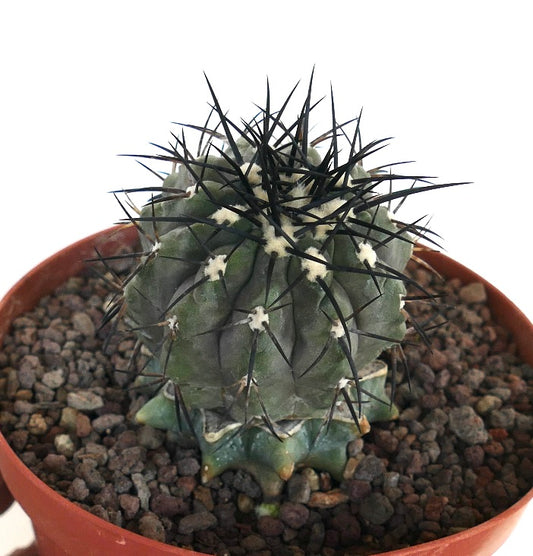
Copiapoa cinerea SRONG BLACK & MULTI-RIBS GRAFTED
Regular price €90,00 EURRegular price










Collection: Copiapoa cinerea
Copiapoa cinerea: A Silvery Jewel Among Desert Cacti
Discover the Beauty of Copiapoa cinerea
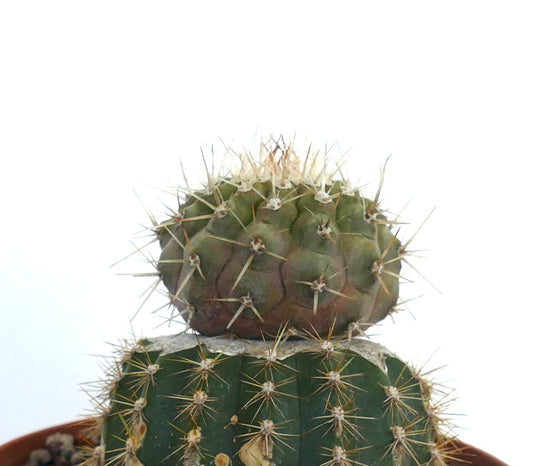
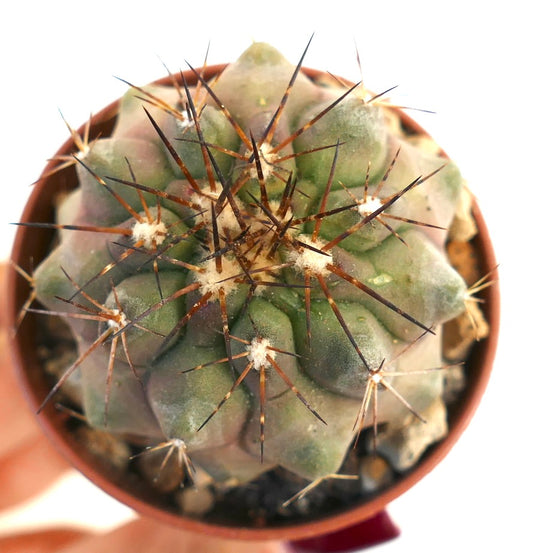
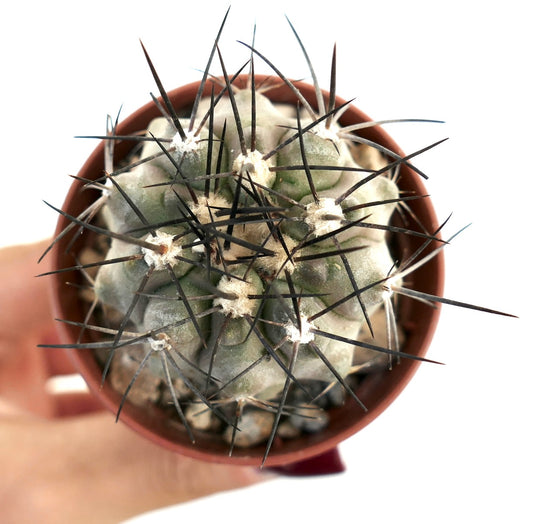
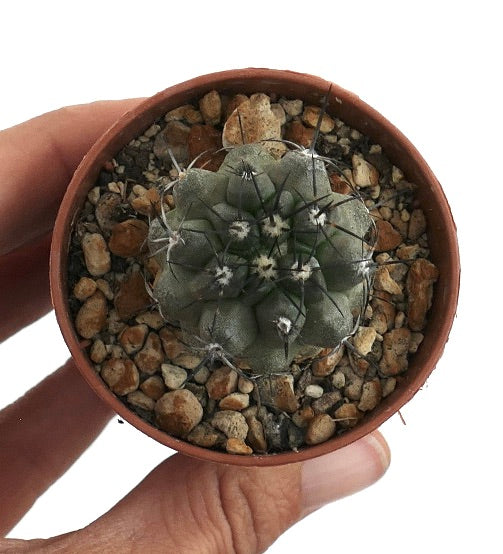
Copiapoa cinerea is a slow-growing, silver-skinned cactus native to the Atacama Desert in Chile. Known for its remarkable ability to survive in one of the driest regions on Earth, Copiapoa cinerea has evolved a captivating silvery-grey epidermis that protects it from the searing sun and extreme temperature swings. Its body is globular to columnar in shape, often solitary but sometimes clustering with age, and it features deep ribs accentuated by bold, black-tipped spines. The apex is adorned with a dense crown of wool, where its modest yellow flowers emerge during the summer, creating a stark yet elegant contrast with its metallic skin. Botanical enthusiasts are especially drawn to rare varieties such as Copiapoa cinerea albispina, noted for its pale spines, and Copiapoa cinerea columna alba, which develops a ghostly, columnar form over time. Hybrid cultivars and naturally occurring mutations only add to the mystique, making this species highly sought after for its sculptural beauty, durability, and geological connection to Chile’s ancient coastal deserts. If you're drawn to unique textures, ashen colors, and authentic desert plants, cactus Copiapoa cinerea is an unforgettable centerpiece.

How to Care for Copiapoa cinerea
Care Copiapoa cinerea is straightforward when replicating its native arid habitat. To cultivate this remarkable species successfully, it's crucial to mimic the conditions of its origin—extreme aridity, high light exposure, and sharp-draining substrates. Use a gritty, mineral-based cactus soil with minimal organic content to prevent root rot. Copiapoa cinerea thrives in full sun, ideally in a location that receives bright, direct light for most of the day, though filtered sunlight in scorching climates can help avoid sunburn. Watering should be infrequent, limited to the warmer months, and only when the soil is completely dry—approximately every 3 to 4 weeks in summer. In cooler months or during dormancy, reduce watering to nearly zero. The plant tolerates a temperature range of 5–35°C (41–95°F), but extended cold or dampness can be fatal. Fertilize sparingly with a diluted, low-nitrogen cactus fertilizer once a month during the active growing season. Pruning is unnecessary, but removing dried flowers or occasional basal pups can help maintain a clean appearance. Common pests include mealybugs and spider mites, especially if airflow is poor. For optimal health and appearance, Copiapoa cinerea should be grown in breathable clay pots or raised rock gardens that enhance drainage and reflect its stark desert origins.

A Rare Specimen for Dedicated Collectors
Due to its unique chalky appearance and dense spination, Copiapoa cinerea is often the highlight of advanced cactus collections. Its natural coloration, a luminous mix of grey, silver, and soft white hues, makes it instantly recognizable among collectors of South American succulents. Each mature specimen develops a highly individualized character, shaped by its environment and growing method. Its slow growth and refusal to compromise with over-cultivation methods contribute to its allure, as each plant matures into a sculptural form that tells its own story. For many, acquiring Copiapoa cinerea is not just a hobby but a rite of passage into serious cactus collecting. It's a species best appreciated by those who understand its slow pace and long lifespan—traits that mirror the harsh stillness of its native desert. From seed-grown miniatures to decades-old giants with thickened stems and ghostly patina, this plant’s visual presence is unmatched. It also makes an excellent focal point when paired with other Copiapoa species such as Copiapoa solaris or Copiapoa hypogaea, or set against the compact forms of Lithops and Echeveria in a curated xeric arrangement.
Shop Copiapoa cinerea at Botanical Archive
At Botanical Archive, you'll find Copiapoa cinerea plants, Copiapoa cinerea albispina specimens, and even rare types like columna alba. Our curated selection caters to both seasoned collectors and discerning beginners looking to invest in truly exceptional plants. Each Copiapoa cinerea specimen we offer is sourced from ethical growers who specialize in seed propagation or carefully managed cultivation, ensuring botanical integrity and resilience. Whether you're seeking fresh Copiapoa cinerea seeds, rooted juvenile plants, or stunning older specimens with fully developed ribs and spination, our catalog is designed to reflect the aesthetic and rarity-driven value this genus offers. We also offer expert advice on care and display, helping you integrate these silvery wonders into either minimalist indoor setups or expansive arid-themed gardens. From monochromatic alpine rockeries to focused collector cabinets, Copiapoa cinerea adapts with grace and stature. Explore our offerings to discover the perfect example of this Chilean desert marvel.
Other Collections in the Archive
-

Specimen Plants
Specimen Plants in our Store Specimen Plants captivate plant enthusiasts with their...
-
Catalogue Plants
Catalogue plants provide a wide variety of options to elevate your garden...
-

Gardening Tools & Soils
Gardening tools – essentials for healthy soils and thriving plants Building a...


