Cherry Trees: A Classic Touch of Blossom and Sweetness for Every Garden
Cherry trees captivate gardeners and botanists alike with their stunning spring blossoms and flavorful summer fruits. This diverse group includes sweet cherry trees (Prunus avium) and sour cherry trees (Prunus cerasus), each valued for unique qualities. These trees grow as elegant specimens in gardens, productive crops in orchards, or compact forms like dwarf cherry trees suitable for container cultivation on patios and balconies.
Botanical Charm and Fruit Delight
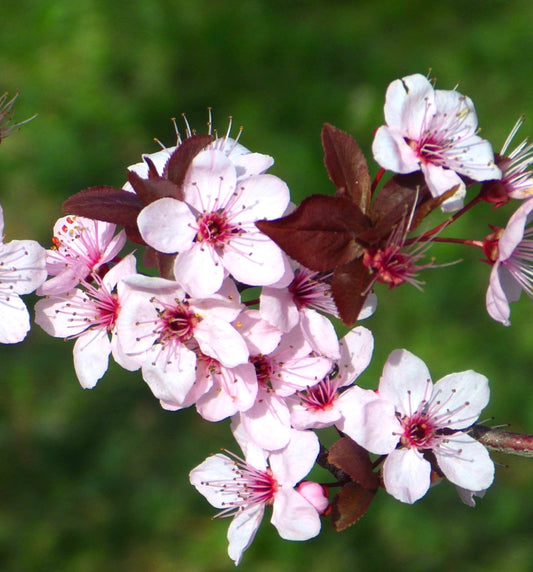
Cherry trees belong to the genus Prunus within the Rosaceae family. They exhibit deciduous foliage and produce clusters of fragrant white to pink flowers in early spring. The blossoms attract various pollinators, including bees, which facilitate fruit set. After flowering, cherries develop as fleshy drupes, varying in color from bright red to deep purple or yellow. Sweet cherry trees primarily yield fruits consumed fresh, while sour cherry trees are often used for cooking and preserves. Their dual role as ornamental and fruit-bearing plants makes them widely cultivated worldwide.
Growing Conditions: Light, Soil, and Cold Tolerance
Successful cultivation of cherry trees depends on providing full sunlight exposure and well-draining soils rich in organic matter. They thrive in temperate climates with cold winters, which induce dormancy and promote healthy flowering. However, late spring frosts can damage delicate blossoms, so situating trees in frost-protected sites is beneficial. Many varieties exhibit cold hardy traits, but microclimate considerations remain important. When grown as cherry trees in pots, maintaining nutrient balance, adequate watering, and root space is essential to support growth and fruiting.
Care, Fertilization, and Maintenance
Proper cherry tree care involves consistent watering during dry periods, especially through flowering and fruit development stages. Applying a balanced cherry tree fertilizer in early spring and again in mid-summer promotes vigorous growth and fruit production. Pruning enhances air circulation, reduces disease risk, and shapes the tree for easier harvest. Whether cultivated in orchards or containers, regular cherry tree maintenance ensures healthy foliage and abundant crops. Additionally, monitoring for pests such as aphids and fungal diseases is crucial for long-term vitality.
Flowering, Fruiting, and Pollination
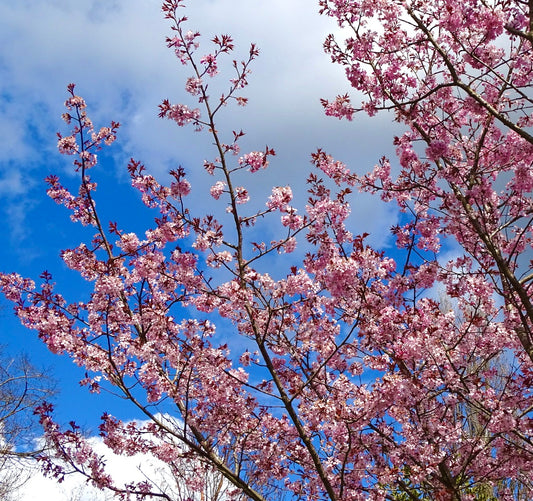
Cherry tree flowering occurs in early spring and represents a critical phase for successful fruit set. The buds develop during the previous growing season and require a period of winter chilling to break dormancy effectively. As temperatures rise, trees respond with a striking display of blossoms, which not only marks the beginning of fruit development but also contributes significantly to seasonal aesthetics and ecosystem dynamics.
Most cherry trees require cross-pollination from compatible cultivars, although some self-pollinating varieties exist. Cultivar selection plays a vital role in orchard planning, as cross-pollinating types must bloom at the same time and be genetically compatible for optimal fruit yield. Even in urban or small-scale plantings, the proximity of multiple cultivars can enhance productivity and reduce the likelihood of poor fruit set.
Pollinators, mainly bees, play an essential ecological role by transferring pollen between flowers. Weather conditions during bloom—especially temperature and rainfall—can greatly influence pollinator activity and overall pollination success. Conservation of bee habitats near orchards and gardens improves pollination reliability and contributes to broader biodiversity.
The fruit matures by early summer and varies in taste and use; sour cherries are prized for jams and baking, while sweet cherries are enjoyed fresh. Ripening time depends on the variety and local climate, with some cultivars producing harvestable fruit within 60 to 75 days after flowering. Regular observation is needed to determine peak ripeness, as overripe cherries may attract pests or suffer quality decline.
The timing and abundance of flowering also influence local wildlife, providing early-season nectar sources. Insects, birds, and other pollinators benefit from the floral resources during a time when few other plants are in bloom. This seasonal interaction makes cherry trees not only agriculturally valuable but also ecologically significant in supporting pollinator networks.
Landscape and Edible Value
Beyond their fruit, cherry trees contribute significant aesthetic value to landscapes. Their elegant branching and profuse spring blossoms create striking visual displays in ornamental gardens. Furthermore, cherry trees support biodiversity by offering habitat and food for pollinators and birds. Their role in edible landscaping combines beauty with productivity, making them valuable in sustainable garden designs. Common varieties include:
- Sweet cherry cultivars like 'Bing' and 'Rainier' known for large, flavorful fruits.
- Sour cherry types such as 'Montmorency' favored for culinary uses.
- Dwarf and semi-dwarf forms adapted for container growing and limited spaces.
- Ornamental cherries like Prunus serrulata (Japanese cherry) prized for spectacular blossoms but less for fruit.
- Wild cherry species that contribute to ecological diversity and genetic resources.
Overall, cherry trees embody a blend of botanical interest, ecological importance, and horticultural appeal. Their adaptability to varied environments and roles in human culture reinforce their lasting popularity in gardens and orchards worldwide.


 Sold out