Collection: Ceratonia Seeds
Ceratonia Seeds – How to Grow and Care for Carob Trees
Growing Ceratonia from Seeds
Ceratonia seeds, commonly known as Carob tree seeds, require proper preparation for successful germination. The most recognized species, Ceratonia siliqua, is a drought-tolerant, long-lived tree native to the Mediterranean. To germinate Ceratonia siliqua seeds, scarification is essential—soak the seeds in hot water for 24 hours or lightly sand the seed coat to improve water absorption. After scarification, plant the seeds in well-draining soil at a depth of about 1-2 cm.
Ideal Conditions for Growth
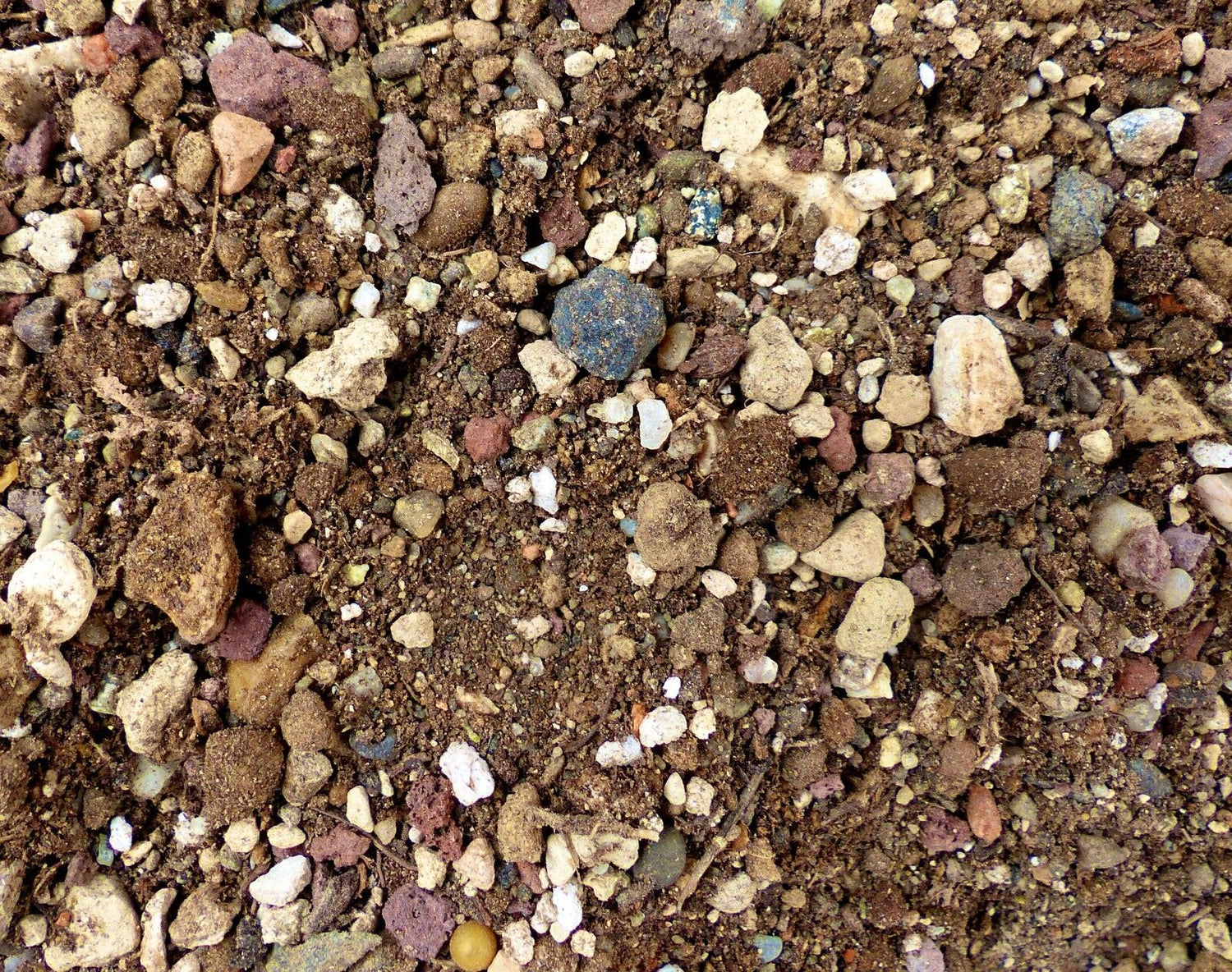
Carob trees thrive in warm, dry climates with full sun exposure. They prefer well-drained, sandy or loamy soil with a pH between 6.0 and 8.5. Water sparingly, as Ceratonia siliqua is highly drought-resistant. Germination can take 2-6 weeks, depending on temperature and moisture levels. Young plants benefit from occasional watering until fully established.
Caring for Carob Trees
Once established, Ceratonia siliqua requires minimal maintenance. These trees are wind-resistant, making them ideal for coastal and arid environments. They develop a deep root system, allowing them to withstand prolonged dry periods. Pruning is rarely necessary but can be done in winter to shape the tree. Mature trees produce edible carob pods, often used as a chocolate substitute.
Buy Ceratonia Seeds Online
Discover high-quality Ceratonia seeds for growing carob trees in Mediterranean gardens, drought-tolerant landscapes, and agroforestry systems. These resilient trees provide both ornamental and economic benefits.