Catalpa Seeds – The Perfect Ornamental Tree for Your Garden
The Catalpa tree is a fast-growing deciduous tree admired for its large heart-shaped leaves, fragrant white flowers, and distinctive long seed pods. Native to North America and Asia, this genus includes species such as Catalpa bignonioides and Catalpa speciosa. These trees adapt well to various environments, making them popular choices for ornamental planting in gardens and urban landscapes. Their broad canopy provides shade, while their flowers attract pollinators like bees and hummingbirds.
Discover the Unique Catalpa Seeds
Catalpa seeds develop inside slender, bean-like pods that mature in late summer or early autumn. Each pod contains numerous flat seeds equipped with papery wings, aiding in wind dispersal. This adaptation helps the species colonize open areas such as riverbanks, woodland edges, and disturbed sites. The seeds are hardy and can remain viable for several years under proper storage conditions. In nature, Catalpa seeds contribute to the tree’s reproduction and genetic diversity, supporting local ecosystems.
How to Grow Catalpa from Seeds
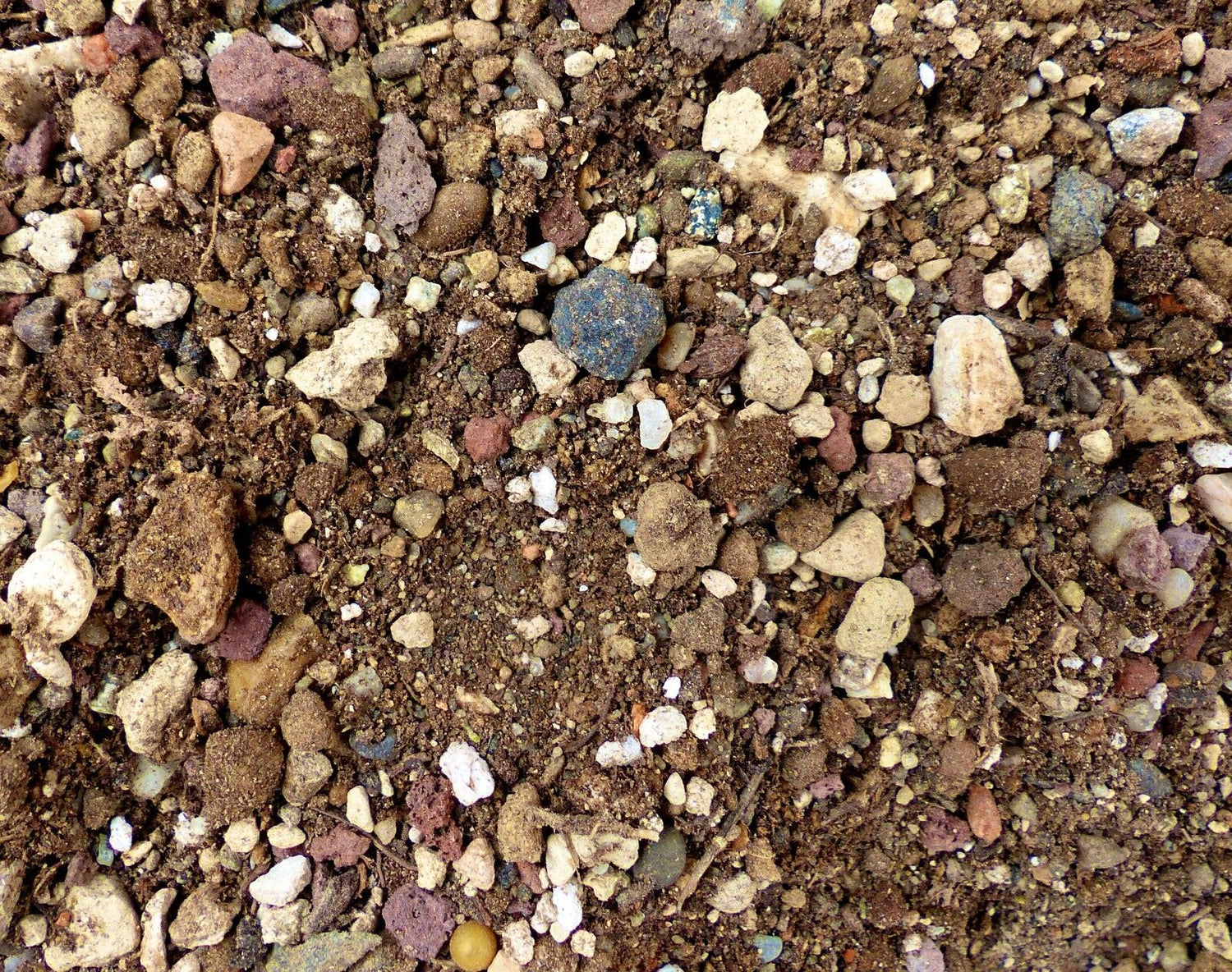
To successfully germinate Catalpa seeds, soak them in water for 24 hours to soften their hard seed coat and enhance sprouting. Plant the seeds in well-draining soil with moderate moisture and place them in indirect sunlight to mimic their natural understory environment. The seeds usually germinate within 2 to 4 weeks. Catalpa trees thrive in moderate to warm climates and tolerate a range of soil types, including clay, loam, and sandy soils. Their tolerance for urban pollution and drought makes them resilient in diverse landscapes.
When growing Catalpa trees from seed, consider these key points:
- Soak seeds before planting to improve germination rates.
- Use soil that drains well but retains some moisture.
- Provide indirect sunlight to young seedlings.
- Maintain moderate temperatures for optimal growth.
- Protect seedlings from strong winds and frost.
Caring for Your Catalpa Tree
After germination, Catalpa seedlings require consistent watering to establish strong roots. Applying a balanced fertilizer during the growing season supports healthy development. Catalpa trees can grow rapidly, reaching heights of 40 to 60 feet, and their spreading branches create a broad canopy. This canopy provides shade and enhances the aesthetic appeal of gardens and parks. The tree’s large leaves also contribute to air purification and support local fauna by offering shelter and food sources. Additionally, Catalpa trees show resistance to many pests and diseases, though occasional monitoring helps maintain tree health.
Ecological Role and Distribution
Catalpa species naturally occur in temperate regions of North America and parts of Asia. They grow in riparian zones, open woodlands, and disturbed sites, where their rapid growth aids in soil stabilization. These trees provide habitat and food for various insects, including the Catalpa sphinx moth, whose larvae feed exclusively on Catalpa leaves. This ecological interaction highlights the tree’s role in supporting biodiversity. Furthermore, the flowers produce nectar that attracts pollinators, promoting healthy ecosystems.