Collection: Capparis
Capparis – A Genus of Flavor and Resilience
An ancient plant with Mediterranean roots
The Capparis genus, particularly Capparis spinosa, has thrived for centuries across arid landscapes. This hardy shrub is famed for producing the edible flower buds known as capers, valued for their piquant flavor. From traditional recipes to modern gastronomy, the presence of caper Capparis spinosa highlights its cultural and culinary significance. Adaptable and enduring, it grows in rocky soils and harsh climates, symbolizing resilience and utility.
Distinctive species and ornamental appeal
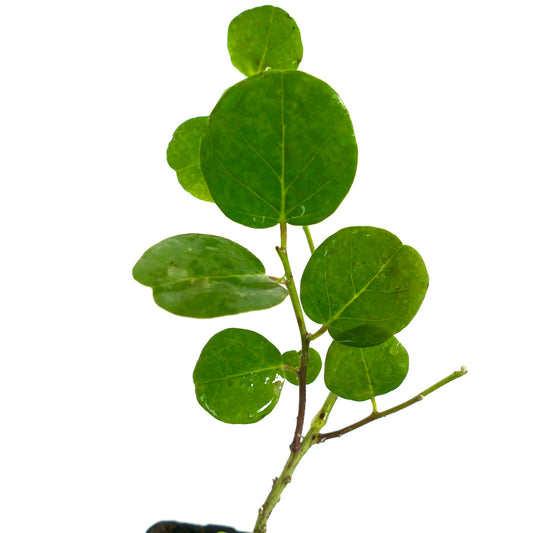
Beyond Capparis spinosa, species like Capparis cynophallophora enrich the diversity of this genus. With delicate flowers and striking forms, Capparis spinosa plants add ornamental charm to gardens, especially in regions seeking drought-tolerant solutions. Their rounded habit, sprawling branches, and vibrant blossoms bring both structure and color to cultivated spaces. These qualities make them ideal not only for edible landscapes but also for decorative planting schemes.
Nutritional and ecological significance
Celebrated for Capparis spinosa health benefits, this plant contributes antioxidants, vitamins, and minerals. Historically used in traditional medicine, it continues to attract scientific interest. Ecologically, Capparis plants support biodiversity also by providing nectar for pollinators. Their ability to thrive in nutrient-poor soils helps stabilize fragile ecosystems, preventing erosion and conserving scarce resources. In this balance of nourishment and sustainability, they embody both ecological and human value.
Cultivation and care essentials
Growing Capparis spinosa requires sunny, well-drained conditions that mimic also its natural habitat. Once rooted, it withstands drought with ease and demands little maintenance. This makes it a sustainable choice also for gardens in challenging climates. For successful growth and flowering, consider these key practices:
-
Ensure full sun exposure to stimulate bud production
-
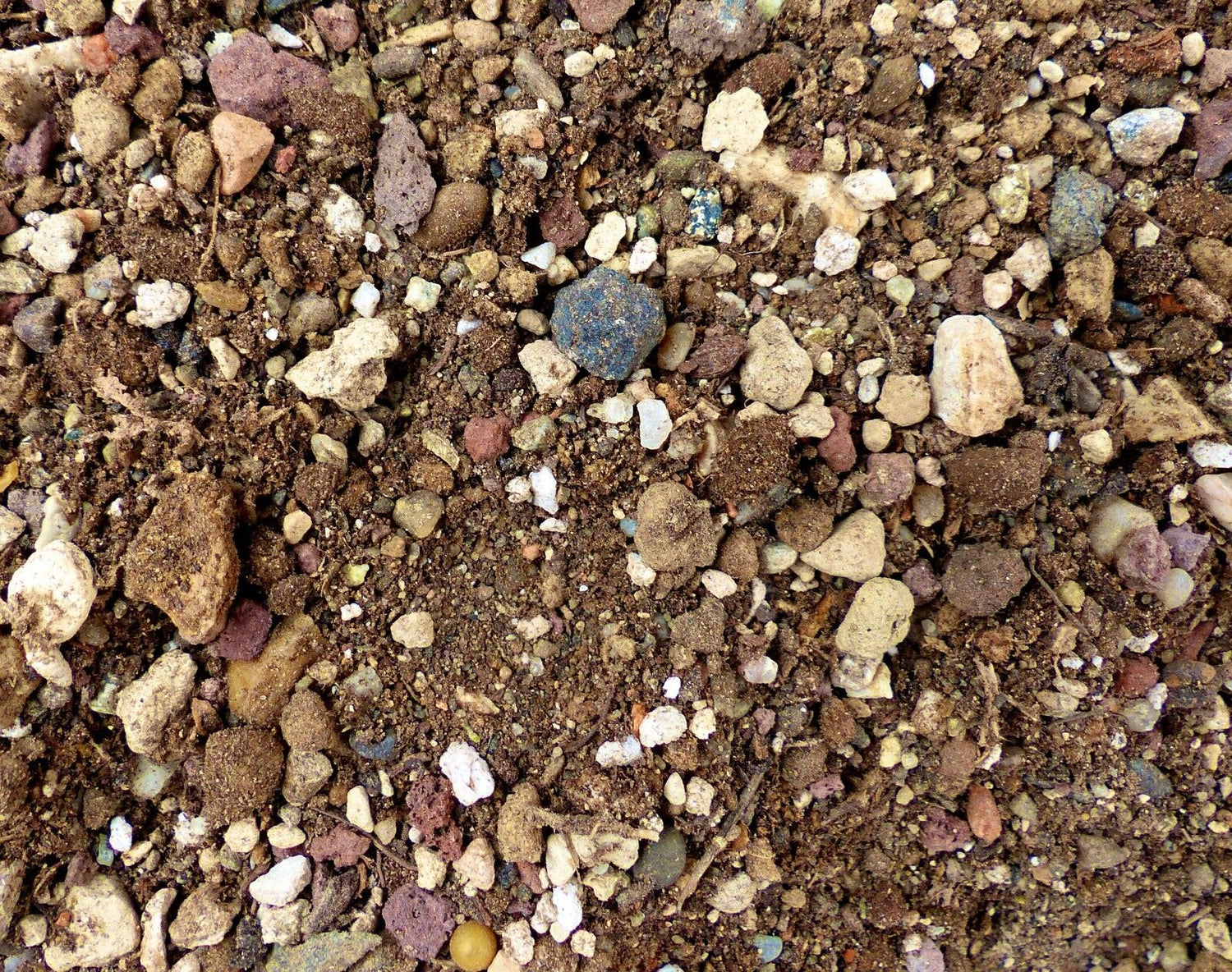
Plant in rocky or sandy soils with excellent drainage
-
Water sparingly after establishment to avoid root stress