Collection: Austrocephalocereus Seeds
Austrocephalocereus Seeds – Vertical futures of Brazilian cacti
Botanical identity and origin
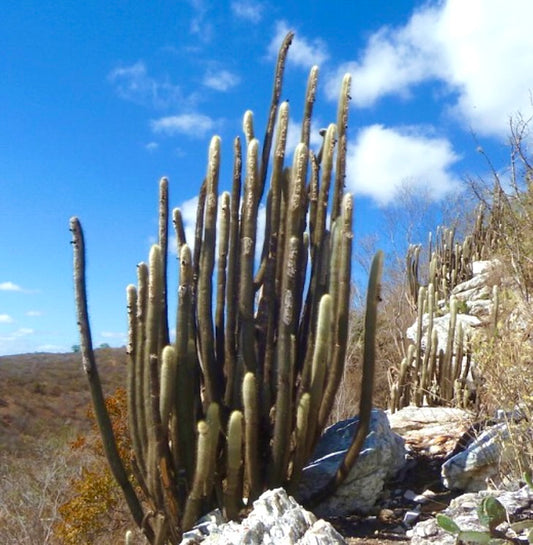
Austrocephalocereus Seeds represent the reproductive core of a columnar cactus genus endemic to eastern Brazil. These seeds are small, glossy black, and typically oval to slightly angular, developing within fleshy fruits that attract birds and small animals. Natural dispersal combines endozoochory with gravity, depositing seeds in mineral-rich crevices. Germination occurs during warm, moist periods, allowing seedlings to anchor quickly before seasonal dryness returns. Ecologically, these seeds sustain cactus populations adapted to exposed rock outcrops and semi-arid landscapes.
Species diversity and ornamental value
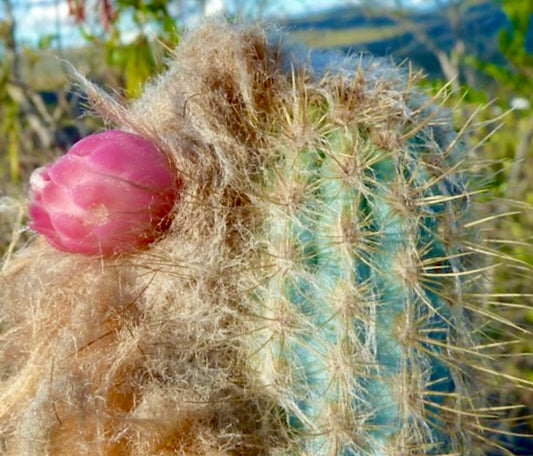
The genetic breadth contained in Austrocephalocereus Seeds reflects notable variation among species such as Austrocephalocereus dybowskii, A. estevesii, and A. goebelianus. Seed-grown individuals may differ subtly in rib count, spine coloration, and growth vigor. This variability is highly valued in botanical collections, where natural forms are preferred over uniform clonal material. For enthusiasts, propagation from seed offers insight into the evolutionary adaptability of these towering cacti.
Cultivation and adaptability
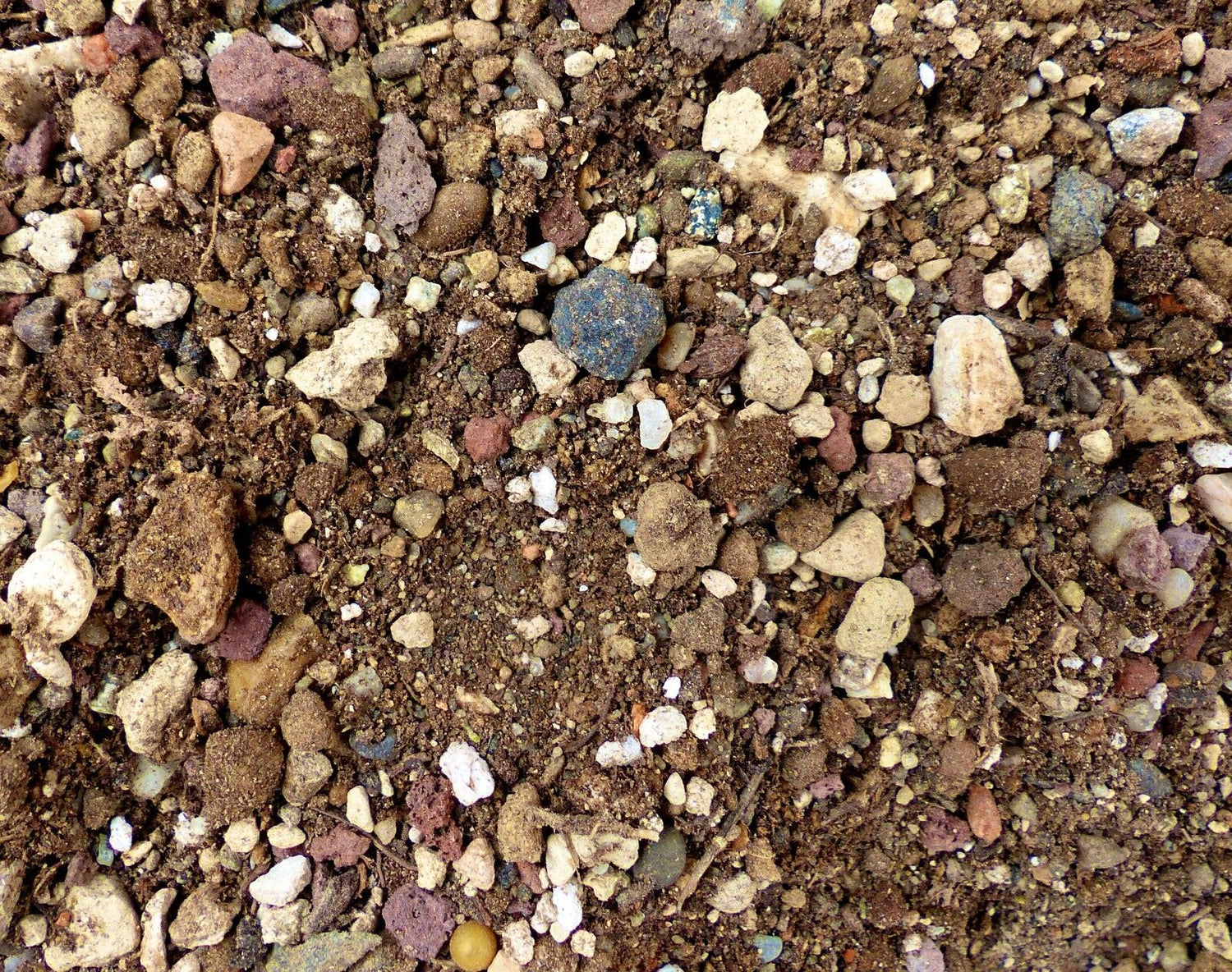
Sowing Austrocephalocereus Seeds requires warmth, light, and excellent drainage. Seeds are best placed on fine mineral substrates and lightly pressed into the surface without burial. Consistent moisture and temperatures above 22 °C encourage germination within two to four weeks. Seedlings benefit from bright, indirect light and gradual acclimation to drier conditions. Plants raised from seed develop stronger root systems and enhanced tolerance to environmental fluctuation over time.
Poetic synthesis and symbolism
Within Austrocephalocereus Seeds lies the promise of vertical growth and enduring form. Each seed holds a blueprint for slow ascent, transforming bare stone into living architecture. Their emergence speaks of patience shaped by heat and scarcity. As symbols, these seeds embody persistence and elevation, reminding us that monumental presence often begins in near invisibility.
-
Glossy black seeds adapted to animal-assisted dispersal
-
Warm-season germination aligned with tropical rainfall
-
Strong early root anchorage on rocky substrates
-
Subtle morphological variation revealed through seed growth