Apple Trees: Timeless Classics for Gardens, Orchards, and Pots
Botanical Overview and Popularity
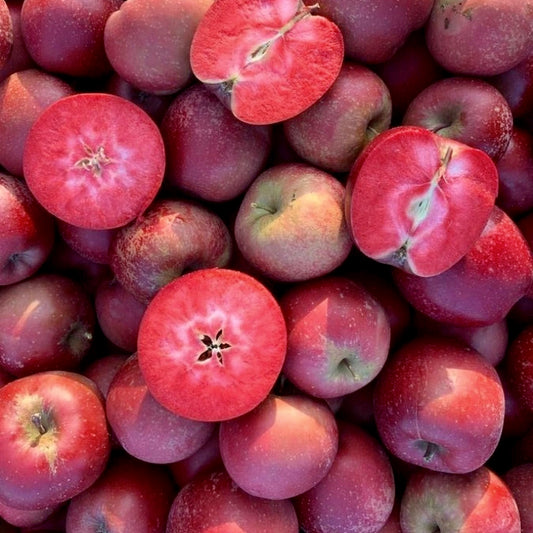
Apple trees (Malus domestica) are members of the Rosaceae family and rank among the most widely cultivated fruit trees worldwide. These deciduous trees produce fragrant spring blossoms that attract a wide range of pollinators, which play a crucial role in fruit set. Apple trees display extensive diversity, with numerous apple varieties offering flavors from sweet to tart, adapted to different culinary and horticultural purposes. Gardeners value them not only for their edible fruit but also for their ornamental appeal. Whether planted in large-scale apple orchards or grown as dwarf apple trees in pots, they adapt to various environments. Ecologically, they support pollinator populations and provide habitats for beneficial insects, enhancing garden biodiversity and ecosystem health.
Cultivation Requirements and Climate
Growing apple trees successfully requires temperate to cool climates, as they need a chilling period during winter to break dormancy. Many cold hardy apple varieties tolerate frost and freezing temperatures, enabling cultivation in cooler regions. These trees prefer well-drained soil rich in organic matter and require full sun exposure for optimal photosynthesis and fruit production. Adequate air circulation within the canopy reduces disease risks. While self-pollinating apple trees provide convenience, cross-pollination by compatible cultivars nearby generally improves yields. Additionally, miniature and patio apple trees facilitate apple growing in urban areas with limited space, such as balconies and small gardens.
Maintenance, Fertilization, and Pruning
Maintaining healthy apple trees involves regular fertilization and pruning. Applying a fertilizer for apple trees in early spring and midsummer supports vigorous growth and abundant fruiting. Proper apple tree pruning improves sunlight penetration and airflow within the canopy, which helps prevent fungal diseases and promotes flower bud formation. Mulching around the base conserves soil moisture and stabilizes temperature fluctuations. Container-grown apple trees require more frequent watering and periodic repotting to accommodate root expansion and nutrient needs. Consistent monitoring for pests and diseases also enhances tree health and productivity.
Fruiting and Blooming Season
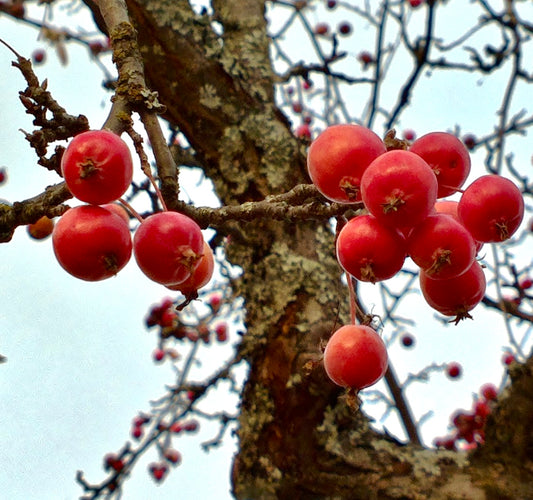
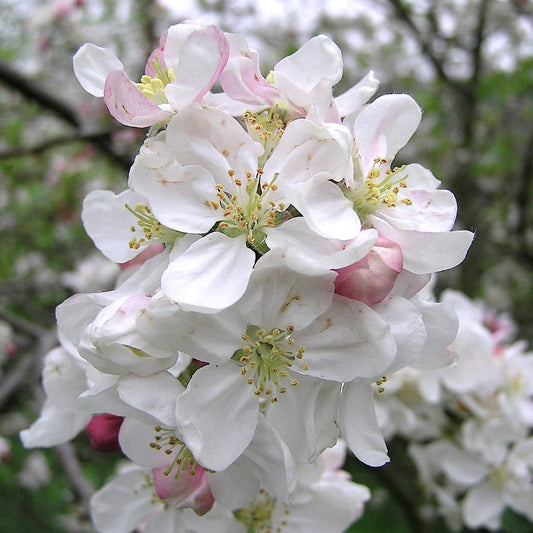
Apple trees typically bloom in early spring, with flowers lasting several weeks. This apple tree blooming period is essential for pollination and subsequent fruit development. Fruit maturity varies widely among cultivars, with some ripening in late summer and others in fall, allowing staggered harvests. This extended fruiting season benefits both commercial growers and home gardeners by providing fresh apples over several months. The timing of flowering and fruiting also affects ecological interactions, such as providing food for wildlife during different seasons.
Decorative and Edible Value
Beyond their agricultural importance, apple trees offer significant decorative appeal through their delicate apple tree blossoms and vibrant autumn foliage. They contribute to sustainable living by enabling local fruit production, reducing transportation needs. These trees support family gardening traditions and supply raw materials for homemade preserves, cider, and fresh consumption. Typical characteristics include:
- Fragrant white to pink flowers that attract bees and other pollinators
- Deciduous habit with striking fall colors
- Fruit diversity suited for fresh eating, cooking, or storage
- Adaptability to various soil types and climatic conditions
- Ecological role supporting insects and birds
Apple trees grow in diverse habitats worldwide, from wild forests to cultivated orchards. Their morphological adaptations include sturdy trunks and flexible branches that support heavy fruit loads. Pollination primarily involves bees, but other insects also contribute. Ecologically, they form part of food webs, providing nourishment for insects, birds, and mammals. Their genetic diversity underpins breeding programs for disease resistance and climate adaptability. Examples such as the 'Granny Smith' and 'Honeycrisp' varieties illustrate the range of flavors and uses.
At Botanical Archive, apple trees are available in multiple forms, from large orchard specimens to compact varieties ideal for terraces and pots, catering to diverse horticultural preferences.


 Sold out