Seeds: The Foundation of Every Garden
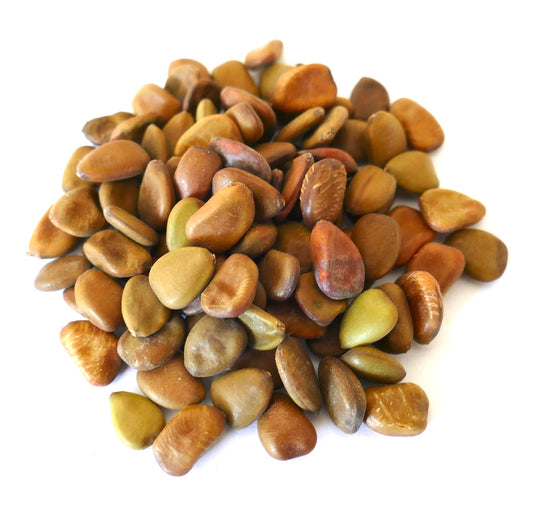
Seeds represent the basis of plant reproduction and form the essential starting point for agriculture and gardening. They originate after flower fertilization, and therefore they carry genetic material that allows species to persist through generations. In fact, from sunflower seeds to heirloom seeds, every type reflects centuries of adaptation to different climates and ecological pressures. Choosing basil seeds or flower seeds means combining ornamental qualities with functional roles such as pollinator attraction, soil protection, and food provision, showing how propagules bridge beauty and ecology.
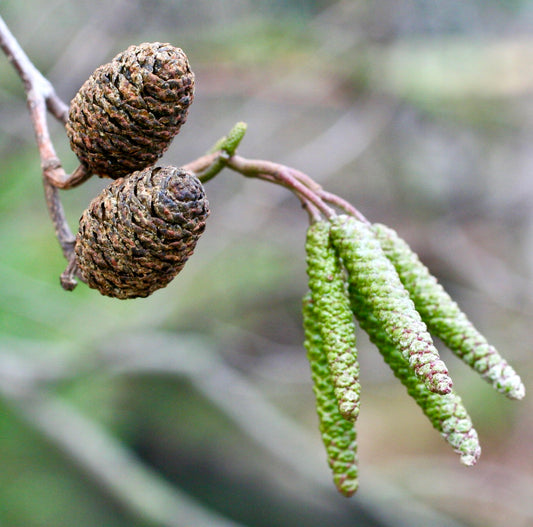
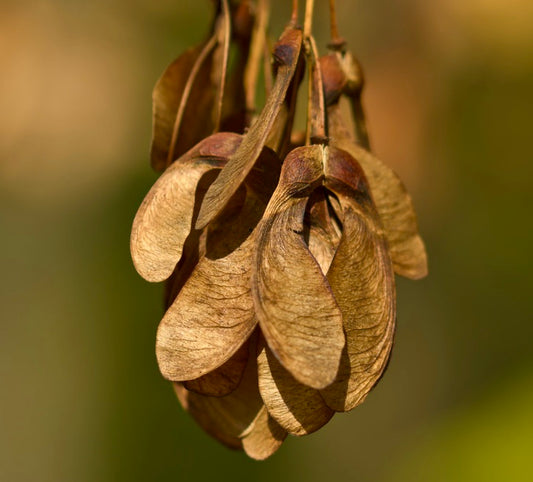
The internal structure of these reproductive units demonstrates the strategies plants developed over evolutionary time. Some species rely on dormancy, which ensures survival during unfavorable seasons until conditions improve. Others germinate rapidly, taking advantage of short rainfall events typical of arid regions. Moreover, hard protective coats shield embryos, while nutrient-rich endosperms sustain early growth. Dispersal adaptations—whether hooks, wings, or fine hairs—illustrate how kernels spread efficiently. Consequently, gardens may host species with very different ecological niches, each shaped by unique reproductive tactics.
Grass and Lawn Seeds
Creating a resilient and uniform lawn begins with the thoughtful choice of grass seeds. Options such as bermuda grass seed, st augustine grass seed, and zoysia grass seed not only provide aesthetic unity but also deliver ecological services. In addition, their dense carpets protect topsoil from erosion, filter dust, and moderate soil temperature. Their deep root systems promote rainwater infiltration and help prevent surface runoff, thus contributing to healthier soils and more sustainable urban landscapes.
Nevertheless, each grass type shows distinct ecological adaptations. Bermuda grass tolerates extreme sunlight and drought, which makes it ideal for hot climates. St. Augustine prefers humid, coastal zones and even adapts to saline conditions, so it thrives where many grasses fail. Zoysia, on the other hand, grows more slowly, tolerates shade, and requires less mowing, making it suitable for low-maintenance gardens. Therefore, selecting the correct variety for climate and soil type ensures longer-lasting lawns while reducing ecological impact and resource use.
- Bermuda grass: resistant to heat, establishes quickly, and withstands frequent use.
- St. Augustine grass: broad blades, adapted to salinity, and forms dense canopies.
- Zoysia grass: tolerates shade, needs less irrigation, and minimizes mowing frequency.
Specialty Seeds
Specialty seeds enrich gardening with plants valued for their aroma, flavor, and ecological roles. For instance, mustard seeds improve soil as green manure while remaining central in culinary traditions. Similarly, fennel seeds contain essential oils used both in cooking and traditional remedies. At the same time, coriander seeds provide spice and also enhance biodiversity since their flowers attract beneficial insects. Thus, these botanical grains highlight the connection between human use and ecosystem support.
Beyond culinary interest, cannabis seeds and heirloom seeds preserve traits crucial for biodiversity. Cannabis adapts to varied habitats across the globe, showing remarkable morphological plasticity. Heirloom varieties, on the contrary, maintain traits such as unusual coloration, regional flavors, or resistance to local pests. Consequently, their cultivation protects agricultural heritage and supports genetic diversity. In this way, planting material contributes not only to gastronomic culture but also to ecological resilience and the sustainability of future food systems.
Trusted Seed Suppliers
The success of cultivated plants depends strongly on the reliability of their origin. Companies such as Johnny's Seeds and Royal Queen Seeds guarantee high germination rates and genetic purity thanks to strict selection and testing. Furthermore, many suppliers conduct trials under diverse environmental conditions, which ensures that new varieties can perform well across regions. For this reason, growers—both professional and amateur—rely on established sources of germplasm to maintain consistent quality in gardens and fields.
Available selections cover a remarkably broad spectrum of uses. For example, Zinnia seeds brighten gardens with colorful blossoms that attract bees and butterflies, reinforcing ecological connectivity. At the same time, bird seed supports wild bird populations, which are increasingly threatened in urban environments with reduced food sources. Therefore, by choosing appropriate genetic resources, gardeners promote biodiversity and build landscapes that combine aesthetic beauty with long-term ecological balance. Infine, this diversity illustrates how propagules remain not only a biological starting point but also a key to sustainable gardening and conservation.