
Secure Payments
Your security comes first. All our payment methods follow PCI standards and support 3D Secure authentication for safe checkout.

Couldn't load pickup availability
Plant Description
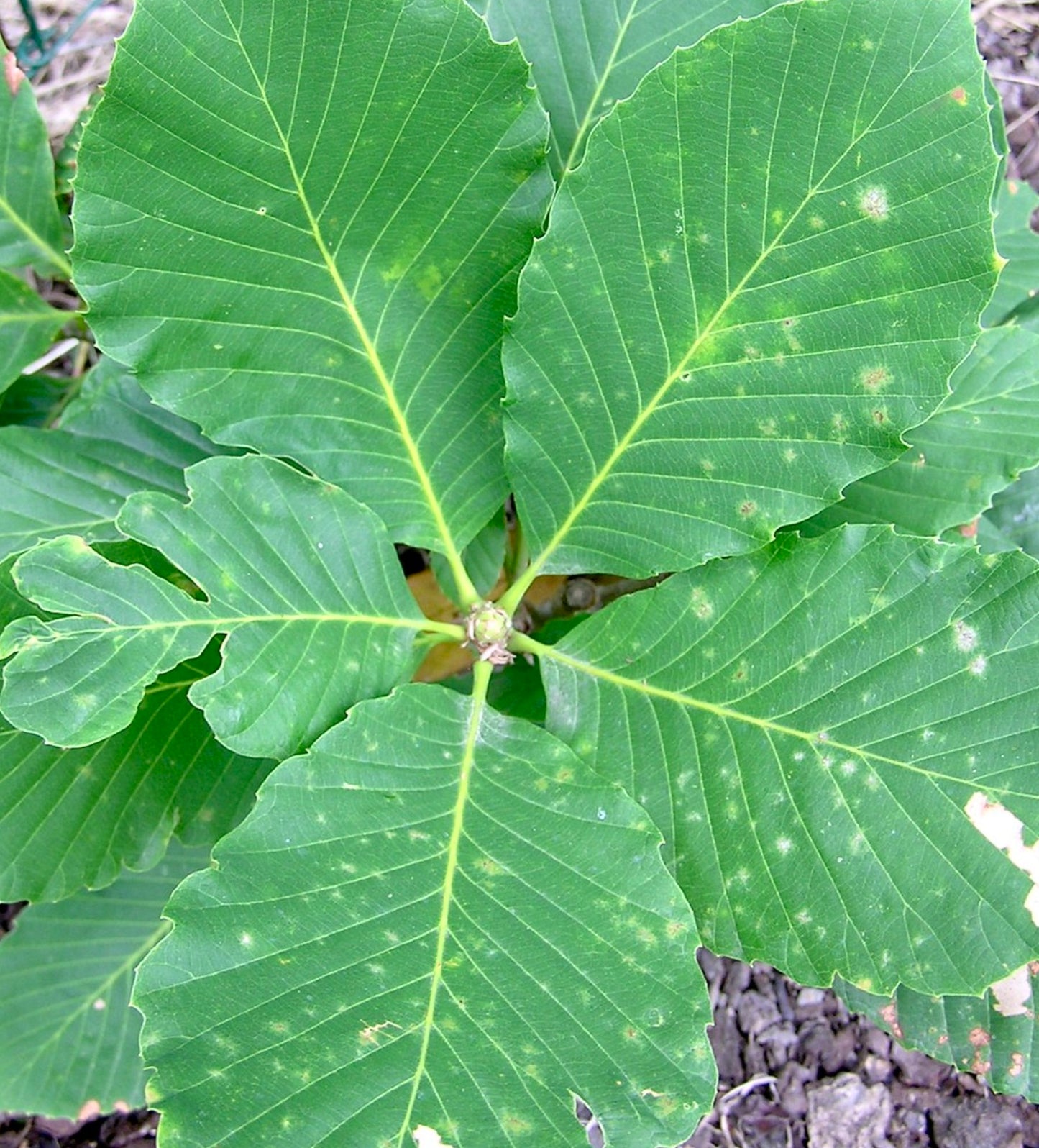
Quercus pontica stands out as a striking species native to the Caucasus region. Often called Pontic oak or Georgian oak, this oak impresses with its broad, glossy leaves that create a lush canopy. Its natural habitat includes the mountainous areas of Georgia, where it thrives and adds unique beauty to the forest landscape. The oak native to Caucasus is treasured for its ornamental value and rarity in cultivation.
The Quercus pontica oak features large, deeply lobed leaves that change color beautifully with the seasons. Gardeners appreciate this species for its robust form and elegant appearance. This Pontic species oak also displays a distinctive bark texture, enhancing its visual interest throughout the year. Its relatively rare status makes it a prized addition for collectors seeking unique oaks.
As a oak from Georgia, Quercus pontica contributes significantly to biodiversity and forest ecology. The Caucasus oak enriches any collection with its robust growth and distinctive form. Its rarity and unique features make the Quercus pontica a true gem for those who admire the diversity within the oak family.
IMPORTANT: The pictures show the mother plant, which is not for sale. The offer includes a plant with the dimensions stated in the description.
Botanical family: Fagaceae
Botanical genus: Quercus
Botanical species: Quercus pontica
SKU:BA-2781-S-1
Soil type: Prefers moist, humus-rich, slightly acidic to neutral soils; avoid dry or chalky ground.
Watering frequency: Regular watering needed, especially in dry climates; does not tolerate drought well.
Light exposure: Partial shade to full sun; performs best with some shelter from harsh afternoon sun.
Temperature requirements: Hardy to -20°C (−4°F) and thrives in cool, temperate climates with consistent moisture.
Fertilization: Apply compost or a slow-release organic fertilizer in early spring to support healthy foliage.
Pruning: Minimal pruning required; remove dead wood or shape lightly in winter. Avoid hard pruning.
Common pests: Generally pest-free, though young foliage may attract leaf-eating insects. Monitor for mildew in humid conditions.
Other care practices: Protect from strong wind exposure, which can damage its large leaves. Ideal for woodland gardens or sheltered naturalistic plantings.
Plant Height:
Plant Diameter:
Pot Size:
Grafted/Not Grafted:
Disclaimer: Be aware that most plants change across seasons. If present foliage, could have been fallen or change in its color.
Your security comes first. All our payment methods follow PCI standards and support 3D Secure authentication for safe checkout.
Our customer support is available Monday to Saturday from 9:00 AM to 6:00 PM (European time).
Our products travel in professional, eco-friendly packaging made from recycled materials, ensuring safe delivery.
We ship worldwide with full tracking. A Phytosanitary Certificate is provided for all exports outside the EU.