
Secure Payments
Your security comes first. All our payment methods follow PCI standards and support 3D Secure authentication for safe checkout.


Couldn't load pickup availability
Plant Description
The Melia azedarach stands out as a striking Asian ornamental tree admired for its graceful shape and fragrant blooms. People often call it the Chinaberry or Pride of India, names that reflect its popularity and cultural significance. This tree belongs to the Melia genus, known for its delicate foliage and elegant floral displays that brighten landscapes worldwide.
The Melia azedarach tree features clusters of lilac-colored flowers that create a stunning visual contrast against its lush green leaves. Gardeners appreciate the Melia azedarach species for its adaptability and ornamental value. Its botanical charm extends to the seed pods, often called the bead tree fruit, which add texture and interest to its overall appearance.
Originating from Asia, the Melia azedarach enriches gardens with its unique form and floral appeal. Known also as Persian lilac, it complements various landscape designs with ease. The tree’s botanical and ornamental features make it a prized choice for those seeking beauty and cultural heritage in one plant.
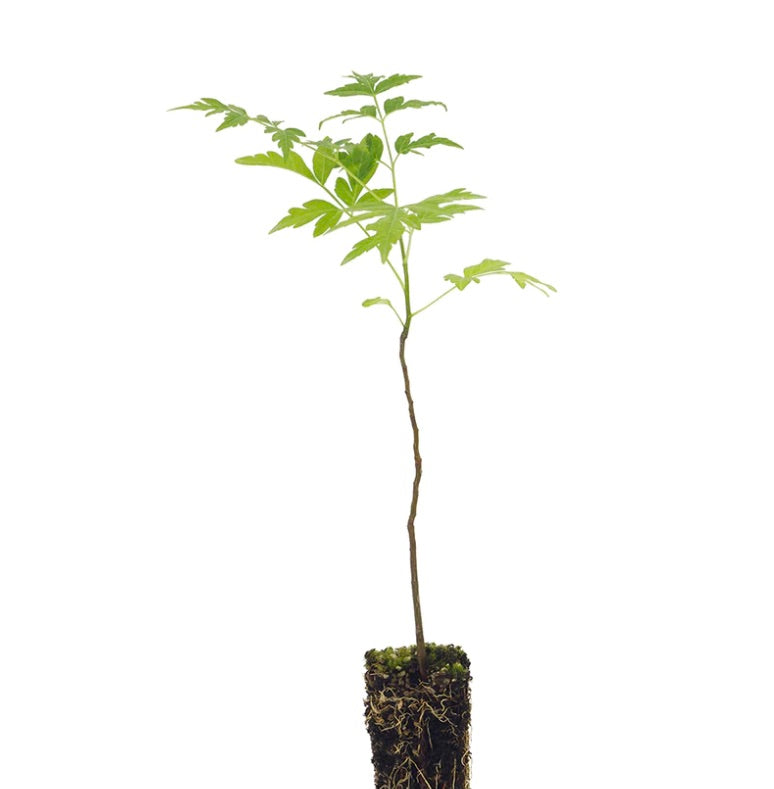
IMPORTANT: The pictures show the mother plant, which is not for sale. The offer includes a plant with the dimensions stated in the description.
Botanical family: Meliaceae
Botanical genus: Melia
Botanical species: Melia azedarach
SKU:BA-6459-S
Soil type: Tolerates a wide range of soils including sandy, loamy, or clay-rich types; prefers well-drained conditions but is adaptable to poorer soils.
Watering frequency: Moderate water needs; drought-tolerant once established. Water regularly in the first two years.
Light exposure: Thrives in full sun; tolerates partial shade but with reduced flowering.
Temperature requirements: Prefers 20°C–35°C (68°F–95°F); tolerates brief drops to -5°C (23°F) but young plants are frost-sensitive.
Fertilization: Generally low nutrient requirements; apply a balanced fertilizer in early spring for best growth.
Pruning: Prune in late winter or early spring to shape the canopy and remove any dead or weak branches.
Common pests: Relatively pest-resistant; occasional issues with caterpillars or leaf spot in humid regions.
Other care practices: Seeds can be invasive; monitor spread in non-native regions. Not recommended for planting near livestock due to fruit toxicity.
Plant Height:
Plant Diameter:
Pot Size:
Grafted/Not Grafted:
Disclaimer: Be aware that most plants change across seasons. If present foliage, could have been fallen or change in its color.


Your security comes first. All our payment methods follow PCI standards and support 3D Secure authentication for safe checkout.
Our customer support is available Monday to Saturday from 9:00 AM to 6:00 PM (European time).
Our products travel in professional, eco-friendly packaging made from recycled materials, ensuring safe delivery.
We ship worldwide with full tracking. A Phytosanitary Certificate is provided for all exports outside the EU.