
Secure Payments
Your security comes first. All our payment methods follow PCI standards and support 3D Secure authentication for safe checkout.

Couldn't load pickup availability
Plant Description
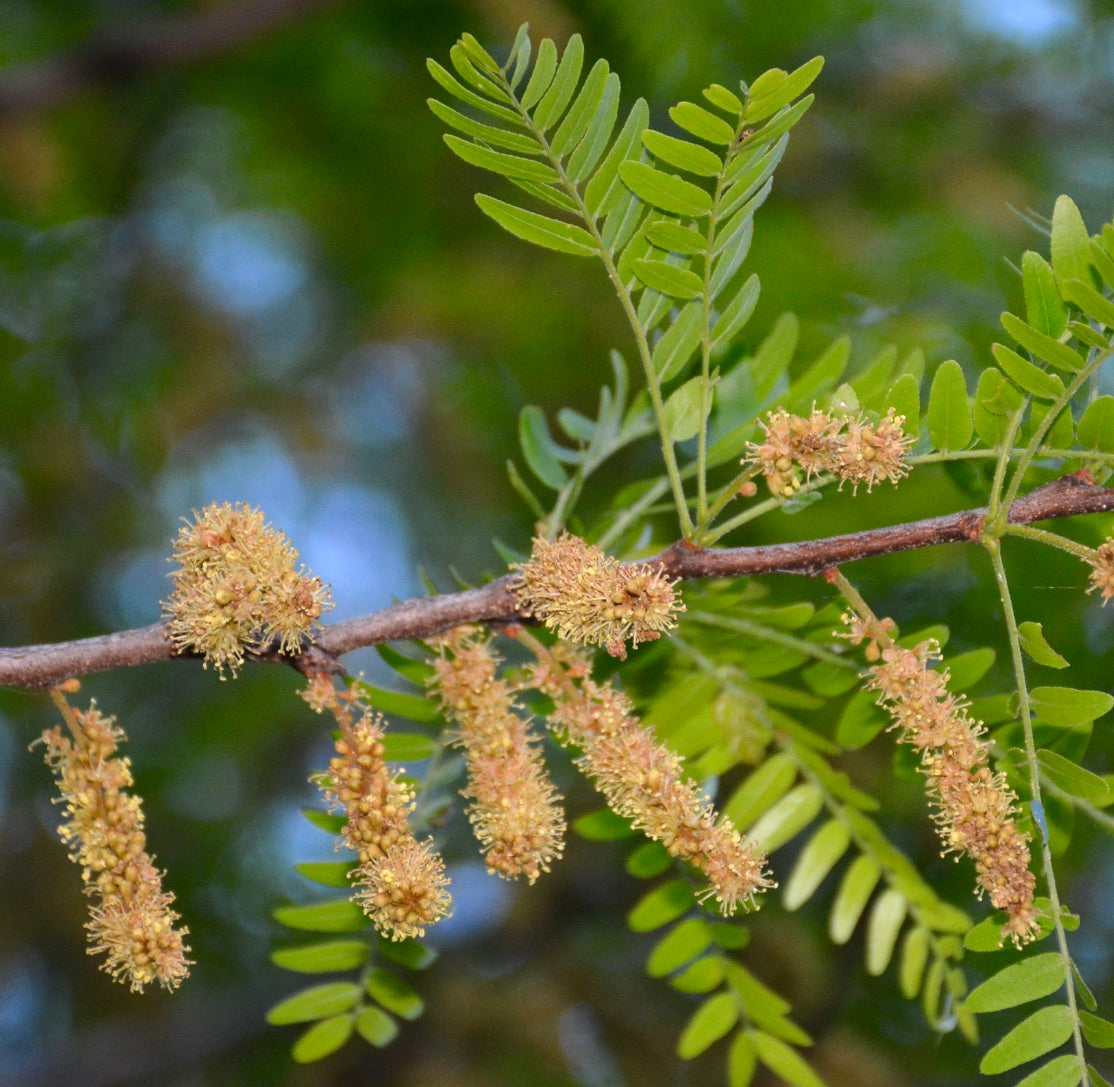
Gleditsia triacanthos var. inermis is a remarkable North American tree cherished for its unique thornless branches. This deciduous tree offers an elegant silhouette with delicate, fern-like leaves that create dappled shade. Gardeners value the thornless honey locust for its clean appearance and adaptability to urban environments. Its graceful form enhances parks and streetscapes alike.
The honey locust thrives in various conditions, making the inermis variety especially popular. It stands out with small, fragrant flowers in spring followed by slender seed pods that add visual interest. This Gleditsia triacanthos showcases resilience and beauty, combining ornamental charm with toughness. People admire its open canopy and light foliage that supports diverse wildlife.
The Gleditsia triacanthos var. inermis stands as a top choice for urban landscaping due to its elegant form and toughness. Its thornless branches and delicate leaves make it a standout honey locust. Whether lining streets or enhancing parks, this North American tree delivers natural beauty with practical benefits, blending form and function gracefully.
IMPORTANT: The pictures show the mother plant, which is not for sale. The offer includes a plant with the dimensions stated in the description.
Botanical family: Fabaceae
Botanical genus: Gleditsia
Botanical species: Gleditsia triacanthos
SKU:BA-0749-S-2
Soil type: Adapts to a wide range of soils, including clay, loam, and sandy soils; must be well-drained.
Watering frequency: Moderate; water regularly during establishment, then reduce as it becomes drought-tolerant.
Light exposure: Full sun is ideal; tolerates partial shade but with reduced form and vigor.
Temperature requirements: Grows well between -20 to 35°C (-4 to 95°F); very hardy and heat-tolerant.
Fertilization: Apply balanced fertilizer in early spring for young trees; mature specimens often need no feeding.
Pruning: Prune in winter to remove lower limbs and maintain strong structure; avoid excessive thinning.
Common pests: Can be affected by mimosa webworm, spider mites, and cankers; generally resilient in urban settings.
Other practices: Excellent as a street or shade tree; minimal leaf litter makes cleanup easy.
Plant Height:
Plant Diameter:
Pot Size:
Grafted/Not Grafted:
Disclaimer: Be aware that most plants change across seasons. If present foliage, could have been fallen or change in its color.
Your security comes first. All our payment methods follow PCI standards and support 3D Secure authentication for safe checkout.
Our customer support is available Monday to Saturday from 9:00 AM to 6:00 PM (European time).
Our products travel in professional, eco-friendly packaging made from recycled materials, ensuring safe delivery.
We ship worldwide with full tracking. A Phytosanitary Certificate is provided for all exports outside the EU.