
Secure Payments
Your security comes first. All our payment methods follow PCI standards and support 3D Secure authentication for safe checkout.

Couldn't load pickup availability
Plant Description
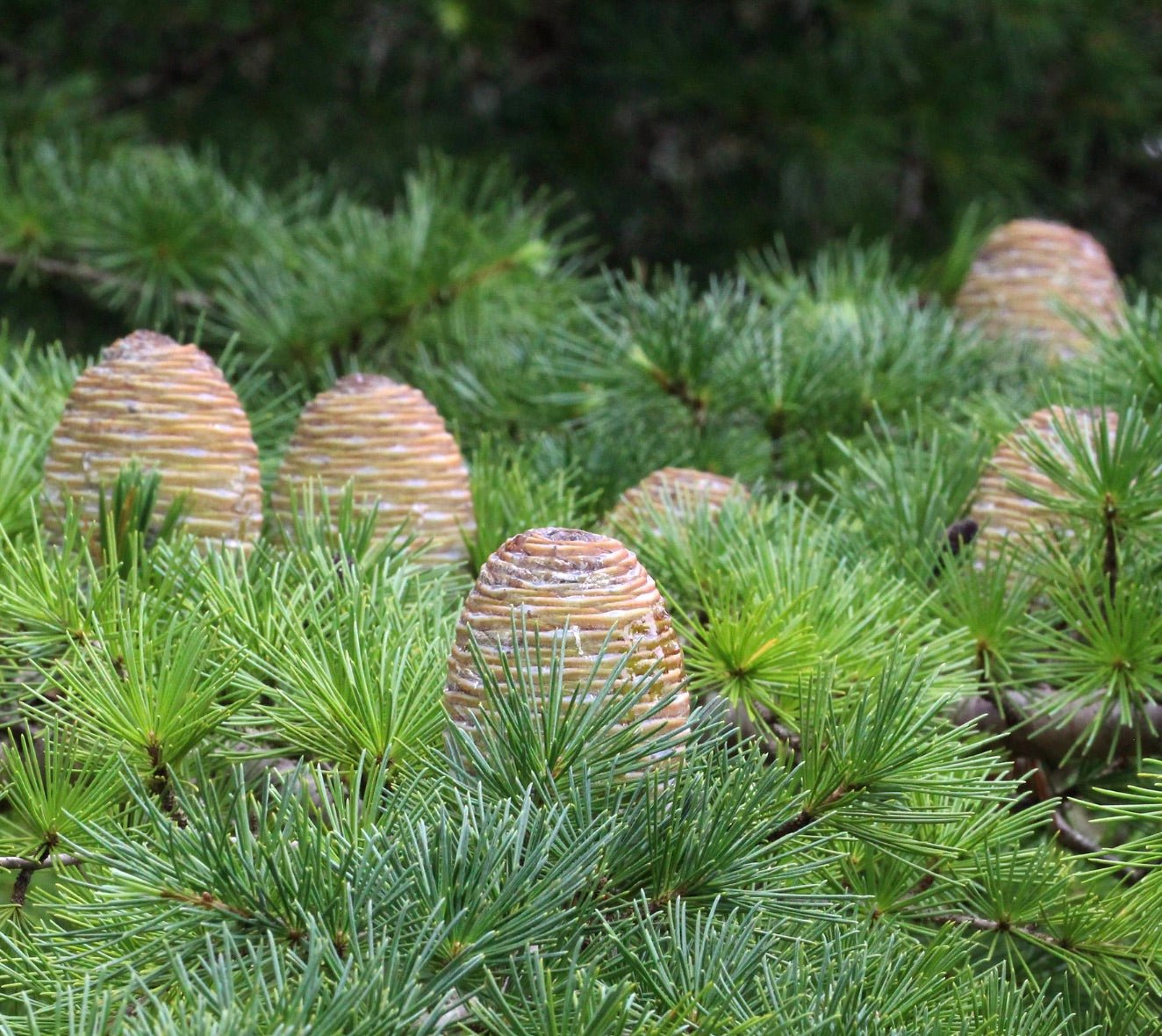
The Cedrus atlantica, commonly known as the blue atlas cedar, captivates gardeners with its majestic form and striking blue-green needles. This evergreen conifer originates from the Atlas Mountains of North Africa, making it a truly exotic addition to any landscape. Its broad, spreading crown and dense foliage create an impressive silhouette that stands out year-round.
The Cedrus atlantica species is admired for its durable, aromatic wood and graceful branches that often sweep downward. As a needle leaf conifer, it features short, soft needles that cluster densely on sturdy twigs. The atlas cedar showcases a subtle bluish hue that varies with light, adding depth and interest to garden designs. Its natural habitat in Morocco and Algeria gives it a rugged charm rarely found in other ornamental trees.
Recognized as the Moroccan cedar or North African cedar, Cedrus atlantica adds both rarity and beauty to outdoor spaces. Its stately presence and vibrant needles make it a favorite among conifer enthusiasts. This species enhances any garden with its timeless appeal and unique botanical characteristics, ensuring it remains a treasured specimen in landscape collections.
IMPORTANT: The pictures show the mother plant, which is not for sale. The offer includes a plant with the dimensions stated in the description.
Botanical family: Pinaceae
Botanical genus: Cedrus
Botanical species: Cedrus atlantica
SKU:BA-1633-S
Soil type: Thrives in well-drained soils, including sandy or loamy types; prefers slightly acidic to neutral pH.
Watering frequency: Water regularly during establishment; drought-tolerant once mature.
Light exposure: Requires full sun for optimal growth and needle coloration.
Temperature requirements: Hardy, tolerating temperatures from -20°C to 40°C (-4°F to 104°F).
Fertilization: Apply a balanced fertilizer in spring for young trees; mature trees rarely need feeding.
Pruning: Minimal pruning required; remove dead or damaged branches in late winter.
Common pests: Generally pest-resistant; monitor for occasional aphids or spider mites.
Other tips: Ensure ample space for its broad canopy and avoid planting near structures or power lines.
Plant Height:
Plant Diameter:
Pot Size:
Grafted/Not Grafted: Not Grafted
Disclaimer: Be aware that most plants change across seasons. If present foliage, could have been fallen or change in its color.
Your security comes first. All our payment methods follow PCI standards and support 3D Secure authentication for safe checkout.
Our customer support is available Monday to Saturday from 9:00 AM to 6:00 PM (European time).
Our products travel in professional, eco-friendly packaging made from recycled materials, ensuring safe delivery.
We ship worldwide with full tracking. A Phytosanitary Certificate is provided for all exports outside the EU.