
Secure Payments
Your security comes first. All our payment methods follow PCI standards and support 3D Secure authentication for safe checkout.


Couldn't load pickup availability
Product Description
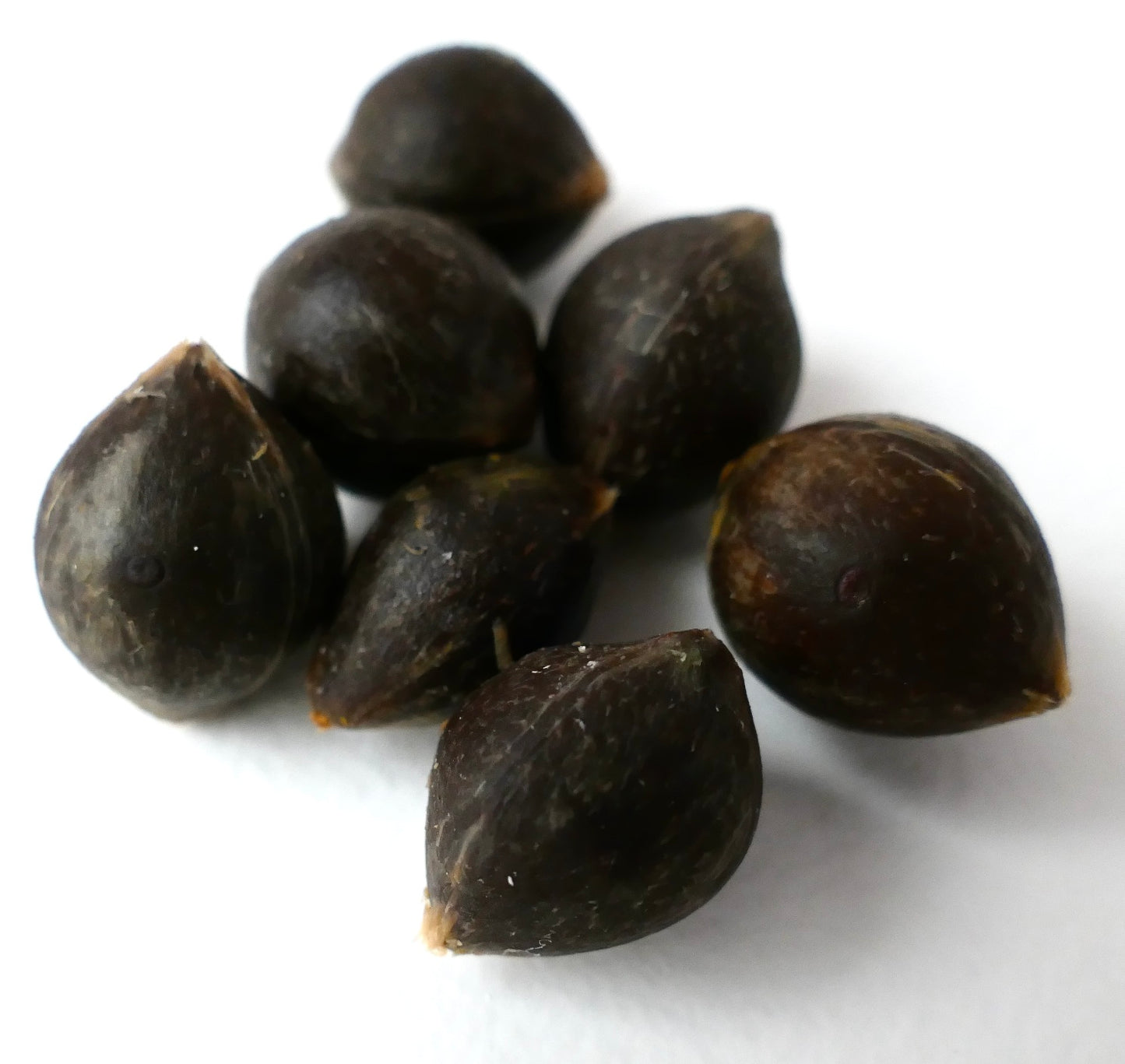
The Butia capitata, commonly known as the Pindo Palm or Jelly Palm, is a stunning feather-leaved palm renowned for its gracefully arching, blue-green to silvery fronds and a robust, solitary trunk covered in persistent leaf bases that add texture and character. Native to the warm grasslands and savannas of southern Brazil, Uruguay, and northern Argentina, this slow-growing palm achieves a sculptural presence with its thick trunk reaching up to 6 meters (20 feet) and a dense canopy of elegantly recurved pinnate leaves. Its leaves can extend up to 2–3 meters, forming a soft, weeping silhouette that gives it a tropical yet drought-tolerant character. In summer, it produces yellow to reddish inflorescences followed by edible, sweet-sour orange fruits, used in traditional jellies—hence the name Jelly Palm. Exceptionally cold-hardy for a palm, Butia capitata tolerates mild frost and is favored in temperate to warm climates as an ornamental focal point. The rugged bark, sweet fruit, and cascading crown combine to make this palm an exceptional addition to xeric gardens or subtropical landscapes where resilience and beauty are both prized.
IMPORTANT: Picture 1 show mother plant not for sale, the offer is for seeds.
Botanical family: Arecaceae
Botanical genus: Butia
Botanical species: Butia capitata
SKU:BA-4311-S
Soil type: Prefers well-draining sandy or loamy soils; tolerant of poor soils but dislikes waterlogging.
Watering frequency: Water moderately; allow the topsoil to dry slightly between waterings. Once established, it becomes quite drought-tolerant.
Light exposure: Thrives in full sun but tolerates light shade, especially in hotter inland regions.
Temperature requirements: Hardy down to –10°C (14°F); ideal range is 15–30°C (59–86°F).
Fertilization: Apply a balanced, slow-release palm fertilizer 2–3 times during the growing season for optimal leaf color and growth.
Pruning: Remove only fully dead fronds to maintain trunk health and visual appeal; avoid over-pruning.
Common pests: Relatively pest-resistant; occasional scale insects or spider mites may appear but are manageable.
Other care: Mulching helps retain moisture; avoid planting too deeply—keep the root flare at or just above soil level.


Your security comes first. All our payment methods follow PCI standards and support 3D Secure authentication for safe checkout.
Our customer support is available Monday to Saturday from 9:00 AM to 6:00 PM (European time).
Our products travel in professional, eco-friendly packaging made from recycled materials, ensuring safe delivery.
We ship worldwide with full tracking. A Phytosanitary Certificate is provided for all exports outside the EU.