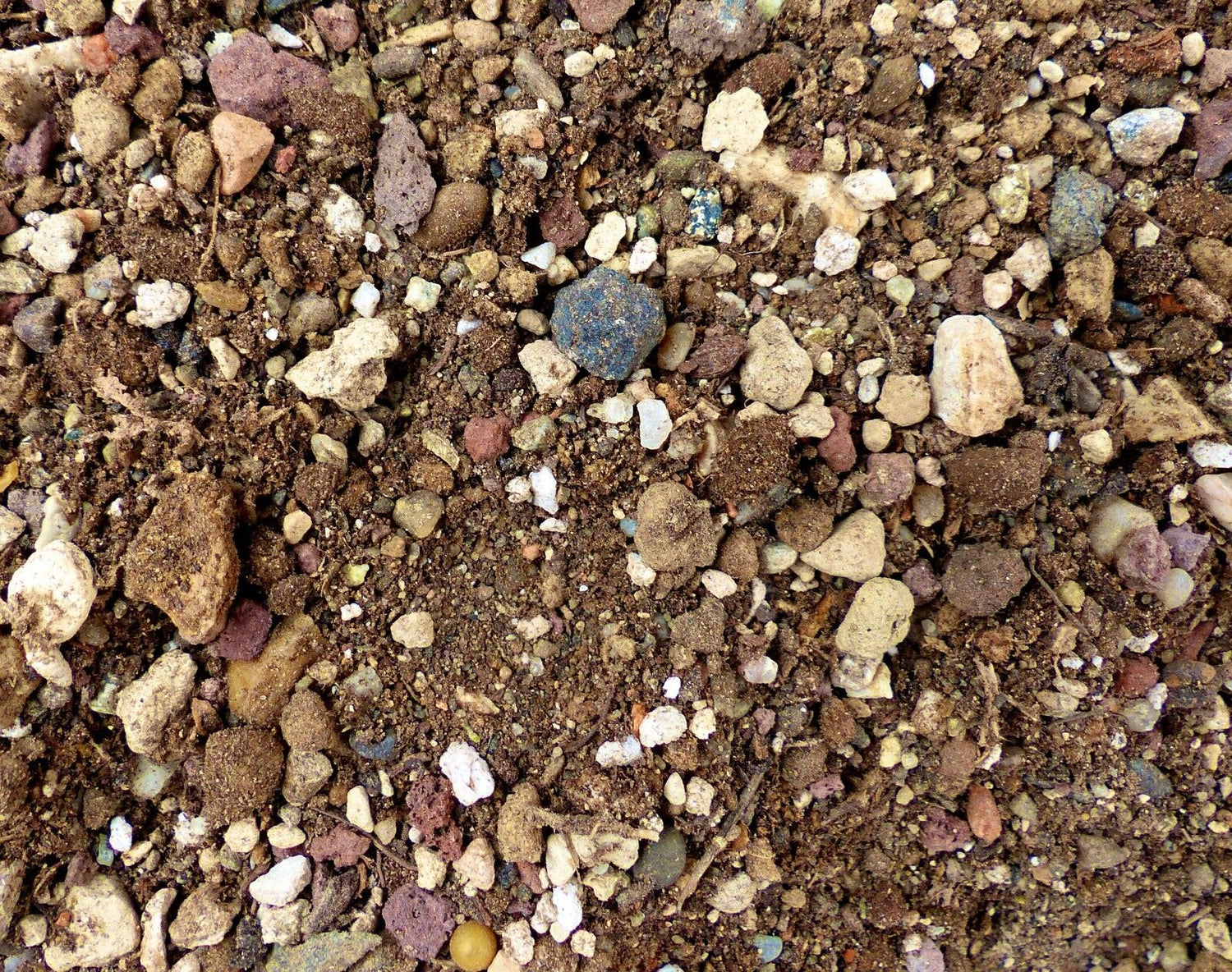
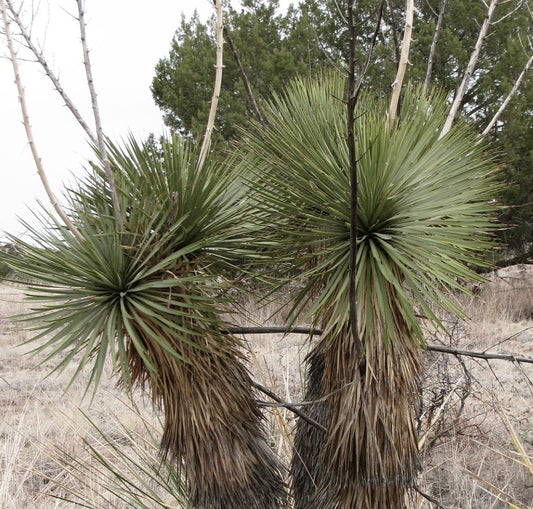
Yucca: Iconic Desert Plants
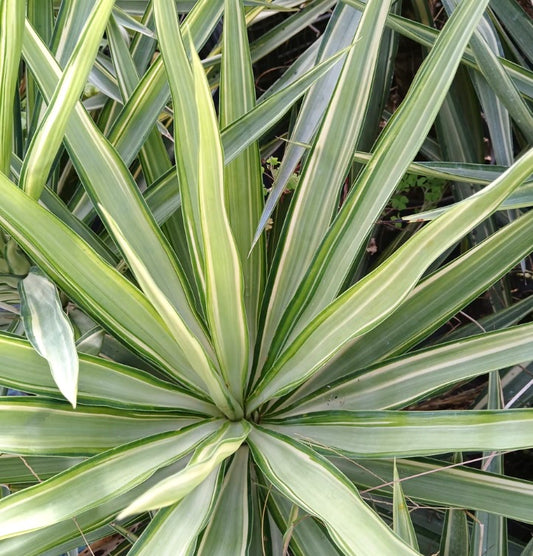
The Yucca genus consists of hardy, drought-tolerant plants widely recognized for their striking architectural forms and impressive resilience. These plants mainly inhabit arid and semi-arid regions across North and Central America, thriving in deserts, grasslands, and rocky slopes. Their thick, waxy leaves minimize water loss, while extensive root systems enable them to tap into deep underground moisture. Such adaptations allow yucca species to survive prolonged dry periods and harsh sunlight.
Yucca Plant: A Versatile Addition
The yucca plant displays considerable versatility, growing successfully both indoors and outdoors under a variety of conditions. Species like cane and elephantipes are popular as houseplants because they endure low light and infrequent watering. Outdoors, those plants are valued in xeriscaping for their ability to reduce water consumption while enhancing landscape aesthetics with their bold, sculptural shapes. Their slow growth and low maintenance needs make them practical for sustainable gardening. This plants also tolerate diverse soil types, from sandy to rocky substrates, further broadening their ecological range.
Yucca Root and Culinary Uses
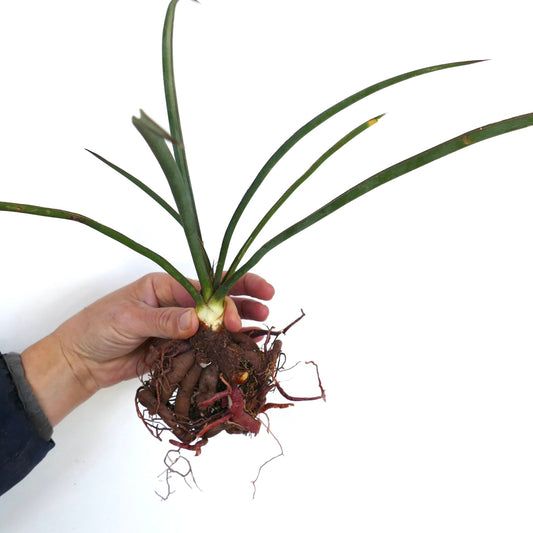
The yucca root, often mistaken for cassava, serves as a significant source of nutrition in several cultures. Rich in starch, it provides an important energy supply and contains essential nutrients. Culinary preparations include boiling, frying, and baking, with dishes like fried yucca and yucca fries being common. Beyond food, indigenous peoples have traditionally used the root for medicinal purposes, such as treating inflammation and skin conditions. This dual role highlights the root’s cultural and practical importance.
Popular Varieties: Banana and Spanish Dagger
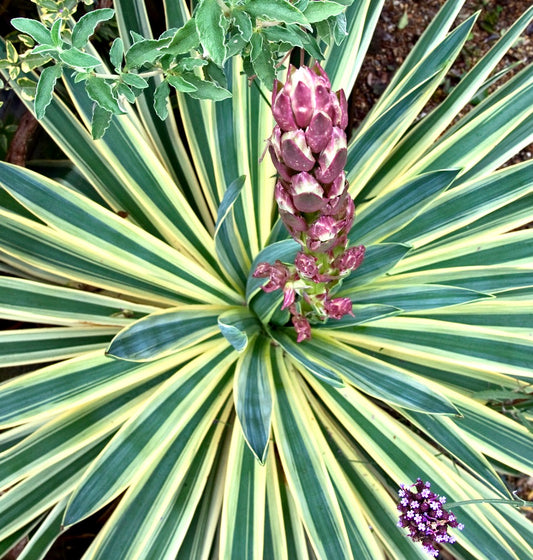
Among the many species, the banana yucca (Yucca baccata) and spanish dagger yucca (Yucca gloriosa) stand out. The banana yucca produces edible fruits and features broad, curved leaves adapted to conserve water efficiently. In contrast, the spanish dagger is notable for its sharp, pointed leaves and prominent white flowers that attract pollinators. Both species thrive in dry, nutrient-poor soils and are commonly found in desert and coastal habitats. Their morphological traits reflect evolutionary adaptations to withstand drought and extreme temperatures.
Care and Cultivation
Yucca plants prefer well-drained soils and require watering only occasionally, which prevents root rot and mimics their natural desert environment. They grow best in full sun but tolerate partial shade, allowing them to adapt to different ecological niches. Furthermore, yucca species show resistance to many pests and diseases, contributing to their success in cultivation. Gardeners benefit from occasional fertilization and pruning to remove dead leaves, which promotes healthy growth and maintains their distinctive appearance.
Eco-Friendly and Ornamental Appeal
Yucca species play a crucial ecological role by supporting specialized pollinators, especially yucca moths. These moths have a mutualistic relationship with yucca plants: they pollinate the flowers while laying eggs inside, ensuring reproduction for both species. Additionally, yucca plants provide shelter and food for various birds and small mammals, enhancing biodiversity in their native habitats. Their unique forms and resilience also make them valuable components in sustainable landscaping and habitat restoration projects.
In conclusion, the Yucca genus includes resilient, ecologically significant plants that adapt well to dry environments. They contribute to ecosystem health, support biodiversity, and offer both ornamental and practical benefits. Their presence enriches desert and xeric gardens, balancing aesthetics with environmental sustainability.
- Adapted to arid and semi-arid habitats with water-conserving features
- Includes species used as houseplants and outdoor xeriscaping elements
- Roots serve as a nutritious food source in various cuisines
- Popular species include banana yucca and spanish dagger, known for distinctive leaves and flowers
- Support specialized pollinators and contribute to ecosystem biodiversity

 Sold out
 Sold out