Wisteria: The Iconic Flowering Vines
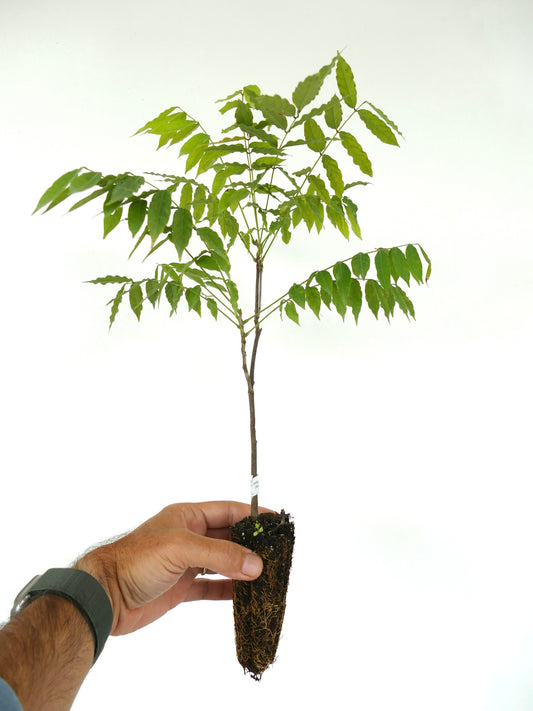
The Wisteria genus comprises deciduous climbing vines celebrated for their spectacular cascading flowers and vigorous twining growth. Native primarily to East Asia and North America, these plants grace gardens, arbors, and trellises with long racemes of fragrant blooms. Their enchanting scent and striking appearance have made them symbols of beauty and timeless charm in horticulture worldwide. Additionally, Wisteria species exhibit remarkable morphological adaptations, such as compound leaves and robust twining stems, which enable them to climb efficiently and access sunlight in dense habitats.
Popular Varieties: Wisteria Tree and Vine
The wisteria tree and wisteria vine represent versatile forms extensively used in landscape design. Notable species include Chinese wisteria (Wisteria sinensis) and Japanese wisteria (Wisteria floribunda), both known for rapid growth and abundant pendulous flower clusters that vary in color from violet to white. These species thrive in temperate climates with full sun exposure, which promotes prolific flowering and healthy foliage development. Their natural habitats often include forest edges and riverbanks, where they climb over trees and shrubs. The dense flower clusters not only attract pollinators but also contribute to local ecosystem dynamics by providing nectar sources for bees and butterflies.
Wisteria Bonsai and American Wisteria
The wisteria bonsai showcases the art of miniaturizing these vigorous climbers for indoor or patio display, maintaining their impressive floral displays in a compact form. Meanwhile, the American wisteria (Wisteria frutescens), native to the southeastern United States, features smaller, less aggressive growth. This species is valued for its non-invasive nature and ecological benefits, such as supporting native pollinators and fitting well into eco-friendly gardening practices. American wisteria adapts to a variety of habitats, including woodlands and wetlands, and its tolerance for diverse soil conditions makes it a resilient choice in native plant gardens.
Care and Cultivation
Wisteria thrives best in well-drained, fertile soils under full sun, which encourages abundant flowering and vigorous growth. Regular pruning controls its vigorous twining habit and stimulates flower production by preventing excessive vegetative growth. These hardy plants require moderate watering once established and tolerate a wide range of soil types, from sandy to loamy. They adapt well to various garden settings, suiting both novice and experienced gardeners.
Key cultivation points include:
- Planting in locations with at least six hours of direct sunlight daily
- Providing sturdy support structures such as trellises or pergolas for climbing
- Pruning after flowering and in late winter to control size and shape
- Ensuring good air circulation to prevent fungal diseases
- Mulching to conserve moisture and regulate soil temperature
Ornamental Uses and Benefits
Wisteria enhances gardens with dramatic floral displays, cascading in long, colorful clusters that attract bees, butterflies, and hummingbirds. Its fast growth allows it to cover walls, fences, and pergolas quickly, creating shaded retreats and vibrant focal points. Ecologically, it supports pollinator populations and contributes to garden biodiversity. Furthermore, its woody stems and dense foliage provide shelter for various small wildlife species. The genus also plays a role in nitrogen fixation through symbiotic relationships with soil bacteria, improving soil fertility in its growing environment.
Exploring the Wisteria genus reveals a plant group with significant ornamental value and ecological roles, making it a treasured addition to temperate gardens worldwide.