Spartium: A Hardy and Ornamental Genus
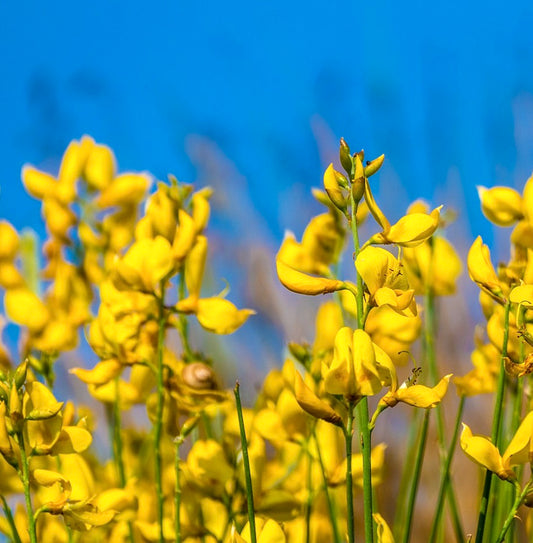
The Spartium genus includes several drought-resistant, ornamental shrubs known for their adaptability and vibrant appearance. Among them, Spartium junceum, commonly called Spanish Broom, stands out as the most recognized species. These fast-growing plants thrive particularly well in Mediterranean climates, where they produce bright yellow flowers with a pleasant fragrance. Their ability to flourish in dry, sunny environments makes them popular in both natural and cultivated landscapes.
Exploring the Spartium Genus
Native to southern Europe and parts of North Africa, Spartium species have adapted to survive in nutrient-poor, well-draining soils. Their morphological features include slender, rush-like stems and small, narrow leaves that reduce water loss. This adaptation enables them to endure prolonged dry periods. Ecologically, they play a role in stabilizing soils and providing habitat for various insects and pollinators, which are attracted by their fragrant, nectar-rich flowers.
Growth and Care of Spartium Plants
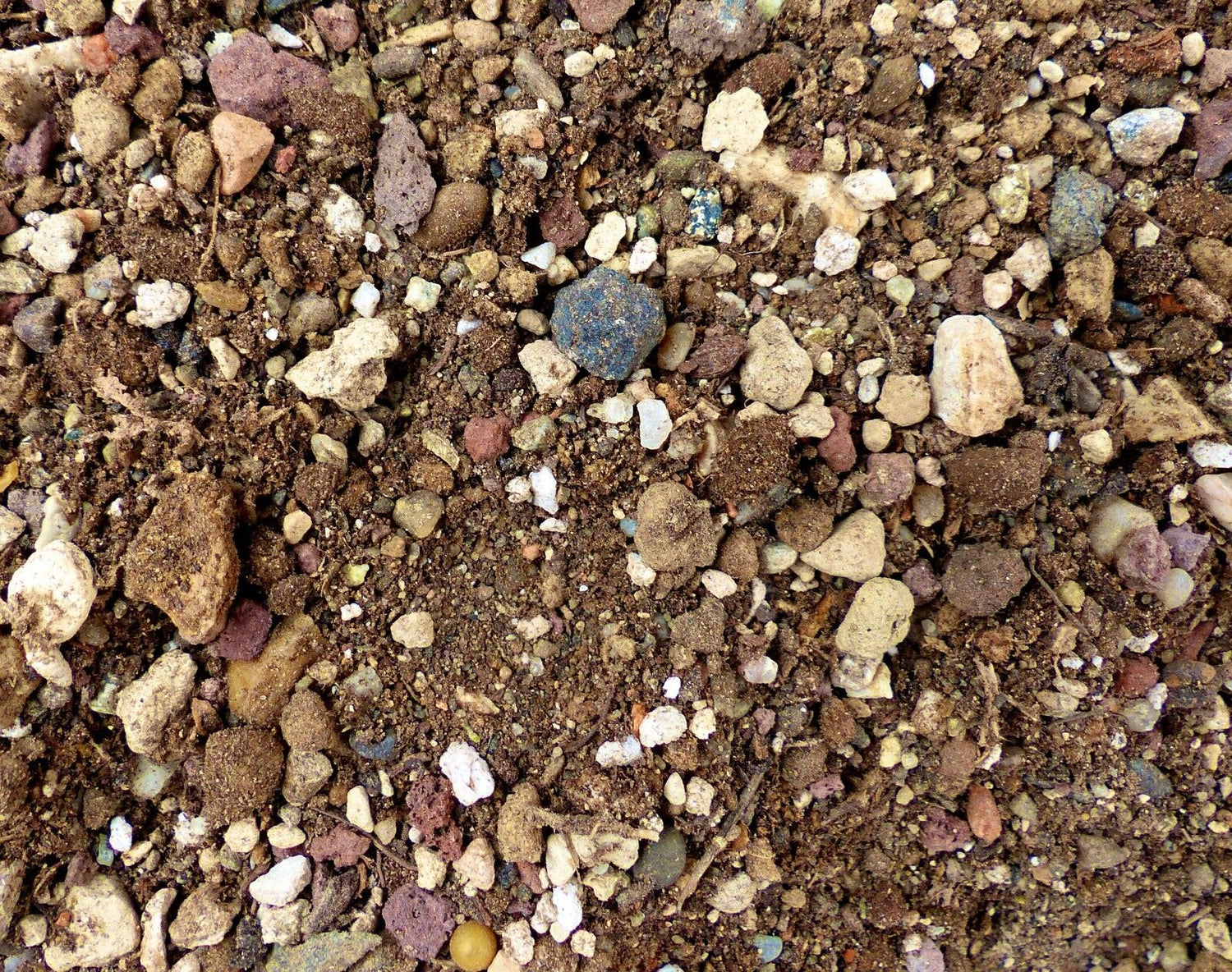
To cultivate Spartium successfully, gardeners should provide well-draining soil and full sun exposure. These plants exhibit strong drought tolerance, reducing the need for frequent watering. Regular pruning helps maintain their shape and prevents overgrowth, while adequate spacing ensures good air circulation, minimizing disease risk. Their resilience and low-maintenance nature make them suitable for xeriscaping and naturalized garden areas.
In addition to their growth requirements, Spartium species engage in symbiotic relationships with nitrogen-fixing bacteria. This ecological interaction enriches the soil by increasing nitrogen availability, benefiting surrounding plant communities. Their root systems also help control erosion on slopes and disturbed sites, contributing to environmental restoration efforts.
Uses and Benefits of Spartium
The Spartium genus offers multiple ecological and practical benefits. Historically, some species were harvested for fiber production, used in making ropes and textiles. Furthermore, their fragrant flowers attract a variety of pollinators, including bees and butterflies, supporting biodiversity. Their nitrogen-fixing ability improves soil fertility, and their robust root systems stabilize soils, preventing erosion.
These features make Spartium valuable in landscaping, ecological restoration, and sustainable gardening. Their ornamental appeal combined with ecological functions enhances both aesthetic and environmental quality in many settings.
Where to Buy Spartium Seeds and Plants
For those interested in cultivating Spartium, seeds and plants are accessible through specialized nurseries and online suppliers. Whether for ornamental gardens, ecological restoration projects, or erosion control, selecting healthy specimens ensures successful establishment. Proper site selection, reflecting their preference for sunny, well-drained locations, supports vigorous growth and long-term survival.
In summary,
-
Spartium species thrive in Mediterranean and similar climates.
- They require full sun and well-draining soil for optimal growth.
- Their nitrogen-fixing ability benefits soil health and surrounding plants.
- They provide ecological services such as erosion control and pollinator support.
- Historical uses include fiber production and traditional remedies.