Solanum: A Diverse and Medicinally Rich Plant Genus
The Solanum genus belongs to the extensive nightshade family (Solanaceae) and represents one of the most varied groups of flowering plants. It encompasses a wide array of species ranging from ornamental shrubs and climbers to important edible crops and medicinal plants. Among its notable members are Solanum nigrum (black nightshade), Solanum dulcamara (bittersweet nightshade), and Solanum pseudocapsicum (Jerusalem cherry). Additionally, agriculturally vital species such as Solanum lycopersicum (tomato) and Solanum tuberosum (potato) highlight the genus's economic importance worldwide. These plants exhibit diverse morphologies and ecological adaptations, thriving in various habitats from tropical to temperate regions.
Exploring the Solanum Genus
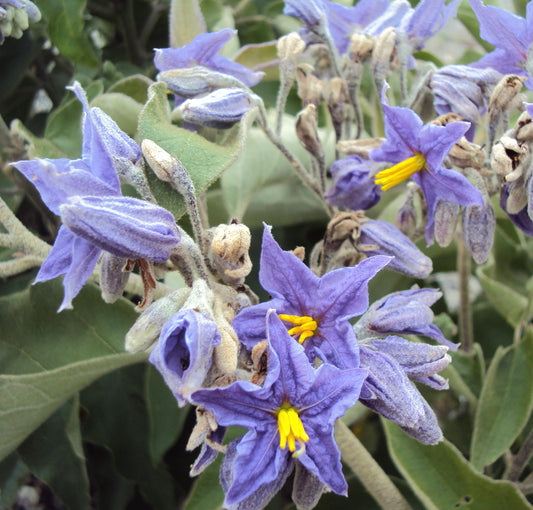
Species within the Solanum genus display a wide range of growth forms, including bushy, climbing, and trailing plants. Their leaves are often simple and alternate, while flowers typically have five petals fused into a star shape, usually in shades of purple, blue, or white. Fruits vary extensively, from berries to capsules, often containing alkaloids that serve as chemical defenses against herbivores. Many Solanum species have evolved to occupy diverse environments such as woodlands, grasslands, disturbed areas, and cultivated fields. Ecologically, they provide food and habitat for various insects, birds, and mammals, playing a crucial role in their ecosystems. For example, the tomato plant supports pollinators, while the potato plant is a staple food source for humans globally.
Growth and Care of Solanum Plants
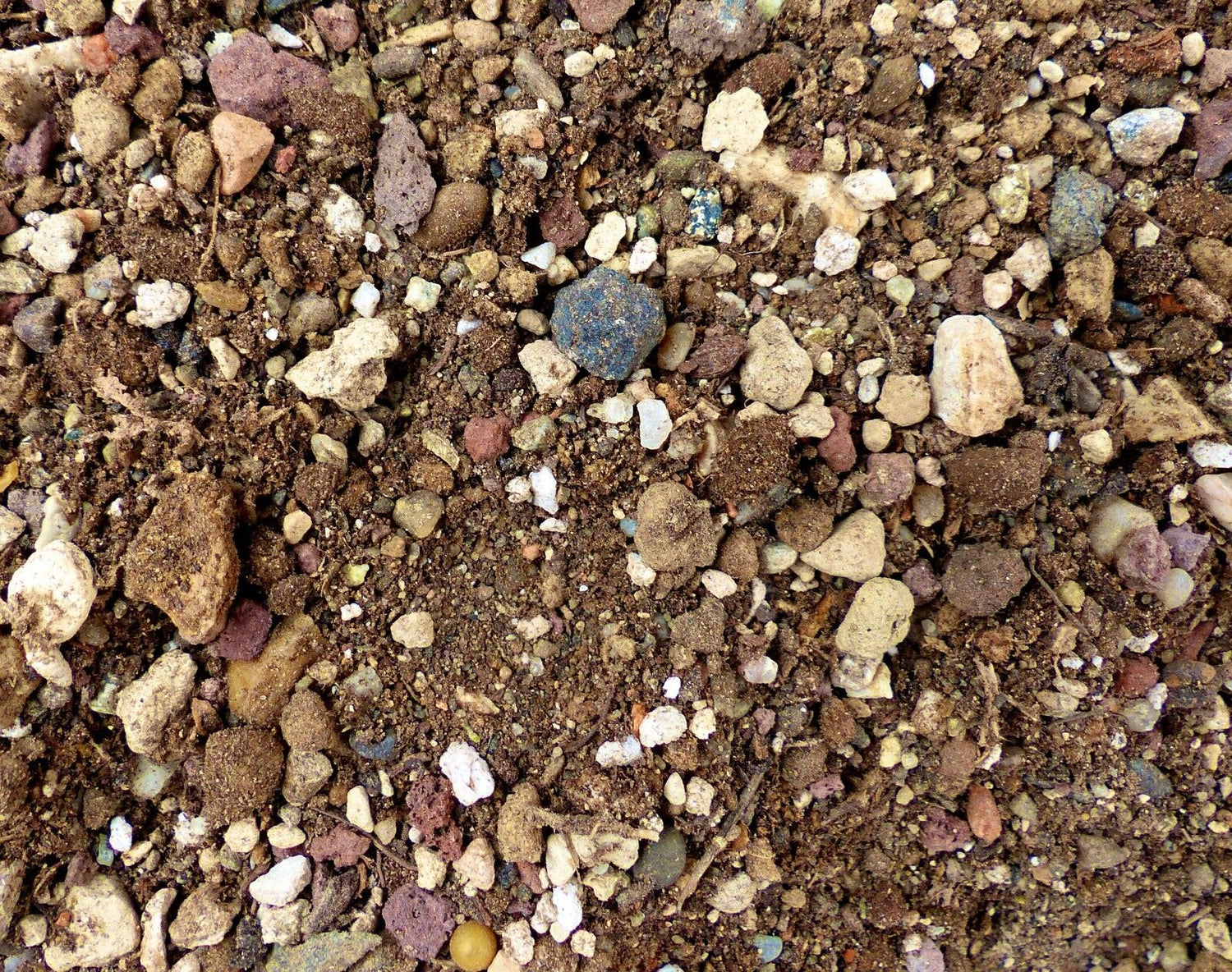
Most Solanum species prefer well-draining, fertile soils with moderate moisture levels. They generally thrive under partial to full sunlight, although some tolerate shaded conditions. Proper pruning helps maintain plant health and encourages flowering and fruiting. Additionally, regular fertilization supports vigorous growth, especially for cultivated edible species. Pest control is important since various insects and fungal diseases can affect these plants. Understanding the specific needs of each species is essential for successful cultivation, whether in gardens, greenhouses, or agricultural settings. Moreover, many Solanum plants exhibit adaptive features such as hairy leaves to reduce water loss or spines for protection against herbivory.
Uses and Benefits of Solanum
The genus Solanum holds significant medicinal, culinary, and ornamental value. Several species, like Solanum nigrum, have been used traditionally for their anti-inflammatory and antimicrobial properties. Others, such as Solanum quitoense (naranjilla), yield exotic fruits prized in tropical regions. The genus also includes important food crops that contribute substantially to global nutrition. However, some species contain toxic alkaloids, requiring careful identification and usage to avoid poisoning. The diversity of chemical compounds found in Solanum has inspired pharmacological research and agricultural development. This genus exemplifies the intricate relationships between plants and humans, both as a source of nourishment and medicine.
Ecological and Botanical Characteristics of Solanum
In ecosystems, Solanum species often act as pioneer plants, colonizing disturbed soils and facilitating succession. Their flowers attract a variety of pollinators, including bees and butterflies, while their fruits serve as food for birds and mammals, aiding seed dispersal. Morphologically, many species exhibit adaptations like glandular trichomes that deter herbivores or specialized root systems that enhance nutrient uptake. The genus's wide distribution spans continents including the Americas, Africa, Asia, and Australia, reflecting its evolutionary success.
Below is a summary of key characteristics of Solanum plants:
- Growth forms: climbing, bushy, trailing
- Flower structure: five fused petals, star-shaped, various colors
- Fruit types: berries or capsules containing alkaloids
- Habitat: diverse, from tropical forests to temperate fields
- Ecological role: supports pollinators and seed dispersers
Where to Find Solanum Plants and Seeds
Solanum plants are widely cultivated and available through botanical nurseries and seed suppliers. They suit various purposes including home gardening, agricultural production, and herbal applications. Selecting healthy seeds and plants adapted to local climates enhances growth success. Moreover, understanding the ecological requirements of each species ensures sustainable cultivation. Whether growing ornamental varieties or food crops, knowledge of their biology and care is essential for thriving specimens.