Sciadopitys: The Unique Japanese Umbrella Pine
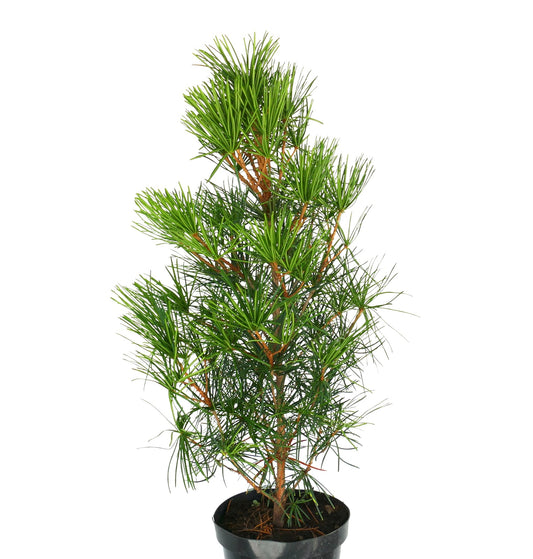
The Sciadopitys verticillata, commonly called the Japanese Umbrella Pine, represents a singular genus of evergreen conifers native to Japan. This species is renowned for its distinctive whorled needle clusters that resemble umbrellas, giving the tree its common name. It is a slow-growing, long-lived tree that can reach heights of 15 to 27 meters in its natural habitat. Sciadopitys has a unique evolutionary lineage, as it is the only extant member of the family Sciadopityaceae, making it a living fossil with no close relatives among other conifers.
What is Sciadopitys?
Sciadopitys verticillata exhibits remarkable morphological adaptations. Its needles are arranged in dense whorls around the branches, each needle covered with a thick cuticle that reduces water loss, an adaptation to its native temperate climate. The tree’s bark is reddish-brown and fissured, providing protection against environmental stress. Ecologically, Sciadopitys thrives in mountainous regions of Japan, typically growing in well-drained, acidic soils within mixed forests. It plays a role in these ecosystems by providing habitat and shelter for various bird species and insects. Additionally, its wood is valued for its durability and fragrance, although it is rarely harvested due to conservation concerns.
How to Grow Sciadopitys
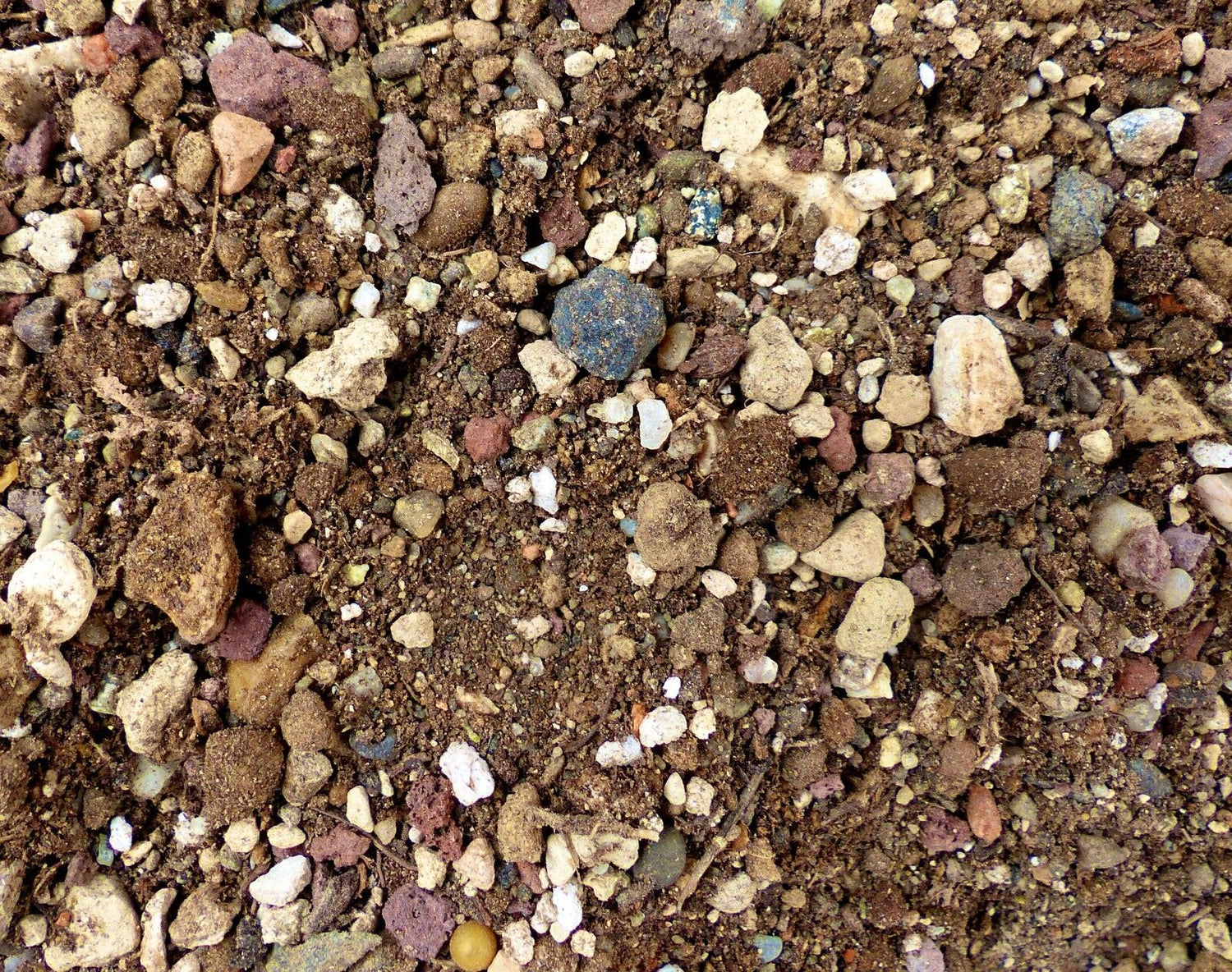
To cultivate Sciadopitys, gardeners should replicate its natural conditions. The tree prefers well-draining, slightly acidic soils rich in organic matter. It grows best in locations offering partial to full sun, which supports its slow but steady growth. Proper watering is essential; the soil should remain moist but not waterlogged to prevent root rot. Pruning is minimal and mainly done to maintain shape or remove damaged branches. The species tolerates a range of temperatures but thrives in temperate climates with moderate humidity. Due to its slow growth rate, patience is necessary when growing Sciadopitys from seed or saplings.
In cultivation,
- ensure soil drainage is optimal to avoid fungal diseases,
- provide protection from extreme winds that can damage delicate needles,
- monitor for pests like scale insects, though infestations are uncommon,
- use mulch to maintain soil moisture and temperature,
- and consider container planting for bonsai enthusiasts due to its manageable size and unique form.
Benefits of Sciadopitys in Landscaping
Sciadopitys is highly valued in landscaping for several reasons. Its distinctive umbrella-like needle clusters create an elegant and unique appearance, distinguishing it from other conifers. The tree’s adaptability allows it to grow in a variety of garden settings, including parks, private gardens, and bonsai collections. Its resistance to common tree diseases and pests reduces maintenance needs, making it suitable for low-maintenance landscapes. Furthermore, its evergreen foliage provides year-round interest and contributes to biodiversity by supporting native fauna. Its slow growth and longevity make it a sustainable choice for long-term planting schemes.
Where to Buy Sciadopitys Seeds and Trees
When sourcing Sciadopitys for cultivation, it is important to select reputable nurseries that provide healthy seeds, saplings, or mature trees. These nurseries ensure that the plants come from reliable genetic stock and are free from diseases. Since Sciadopitys verticillata is a rare species, availability may be limited, and prices can vary accordingly. For conservation purposes, it is advisable to purchase plants propagated through sustainable methods. Understanding the origin and care requirements of your Japanese Umbrella Pine will support successful growth and preservation of this unique botanical species.